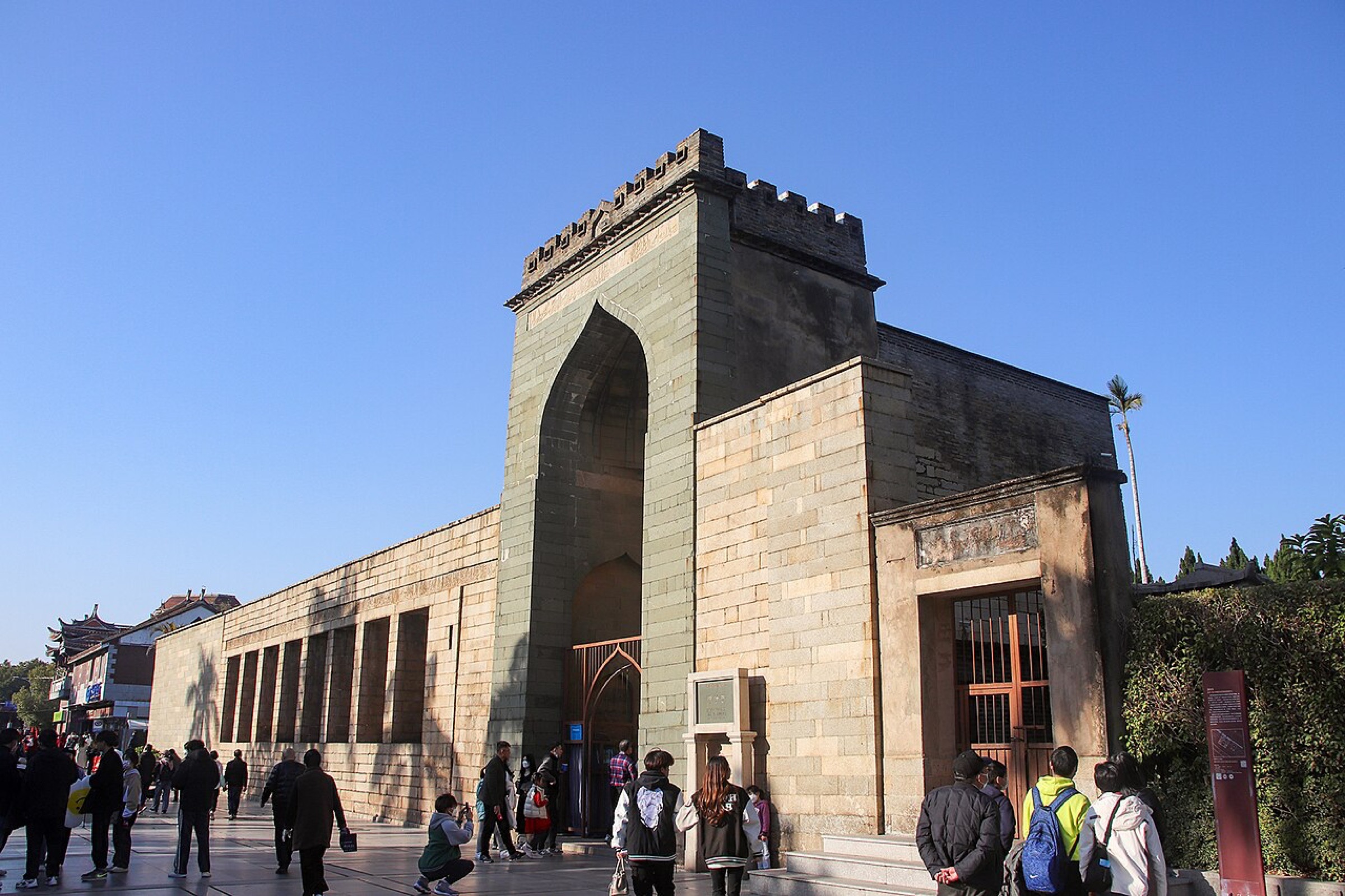
A diverse religious landscape
Buddhist, Daoist, Islamic, Manichaean and maritime beliefs make long-distance contact visible.
Explore Inside Quanzhou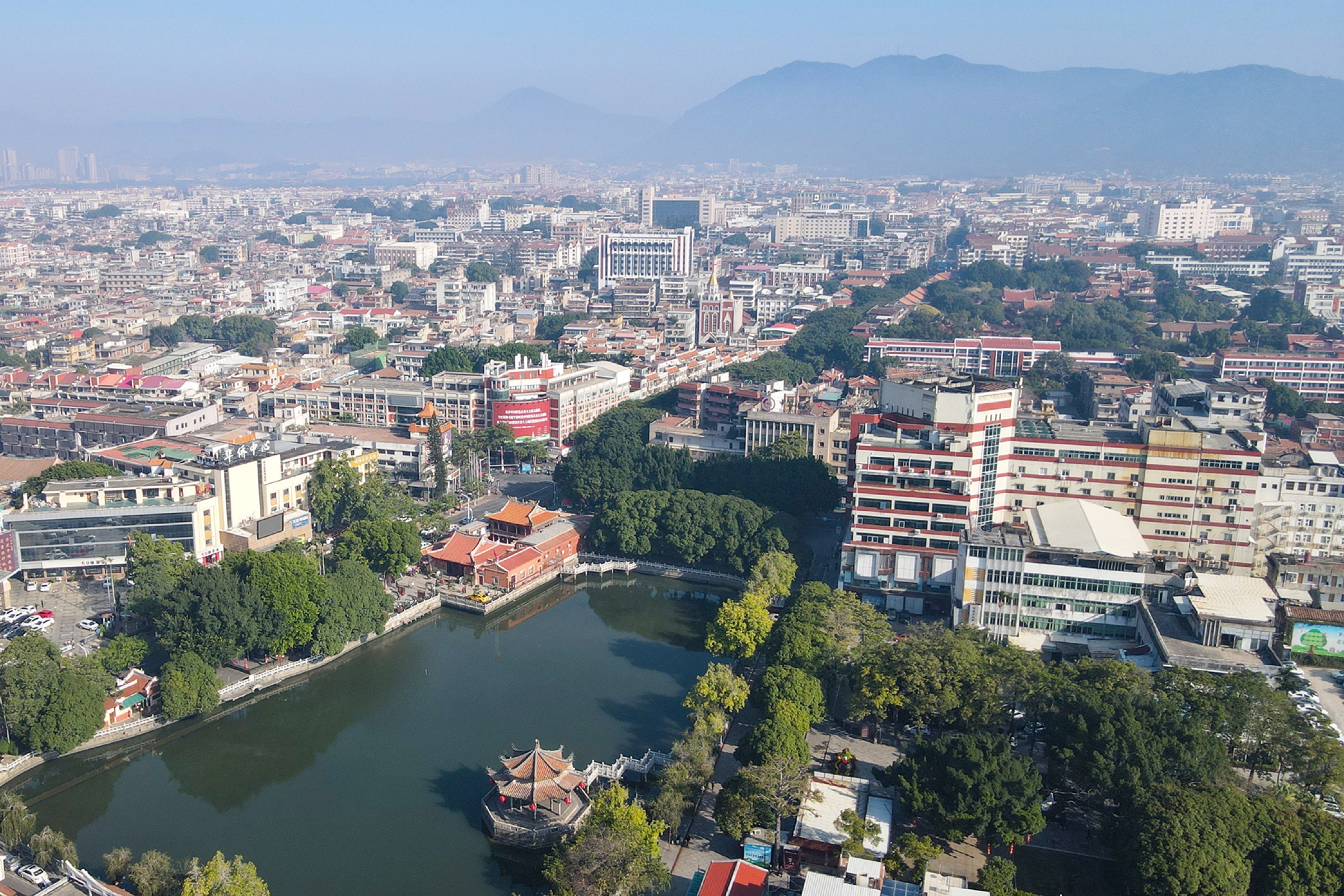
About Quanzhou
Quanzhou connected a productive hinterland with maritime Asia — and the movement of goods, beliefs, people and skills still shapes the city.
The historic argument
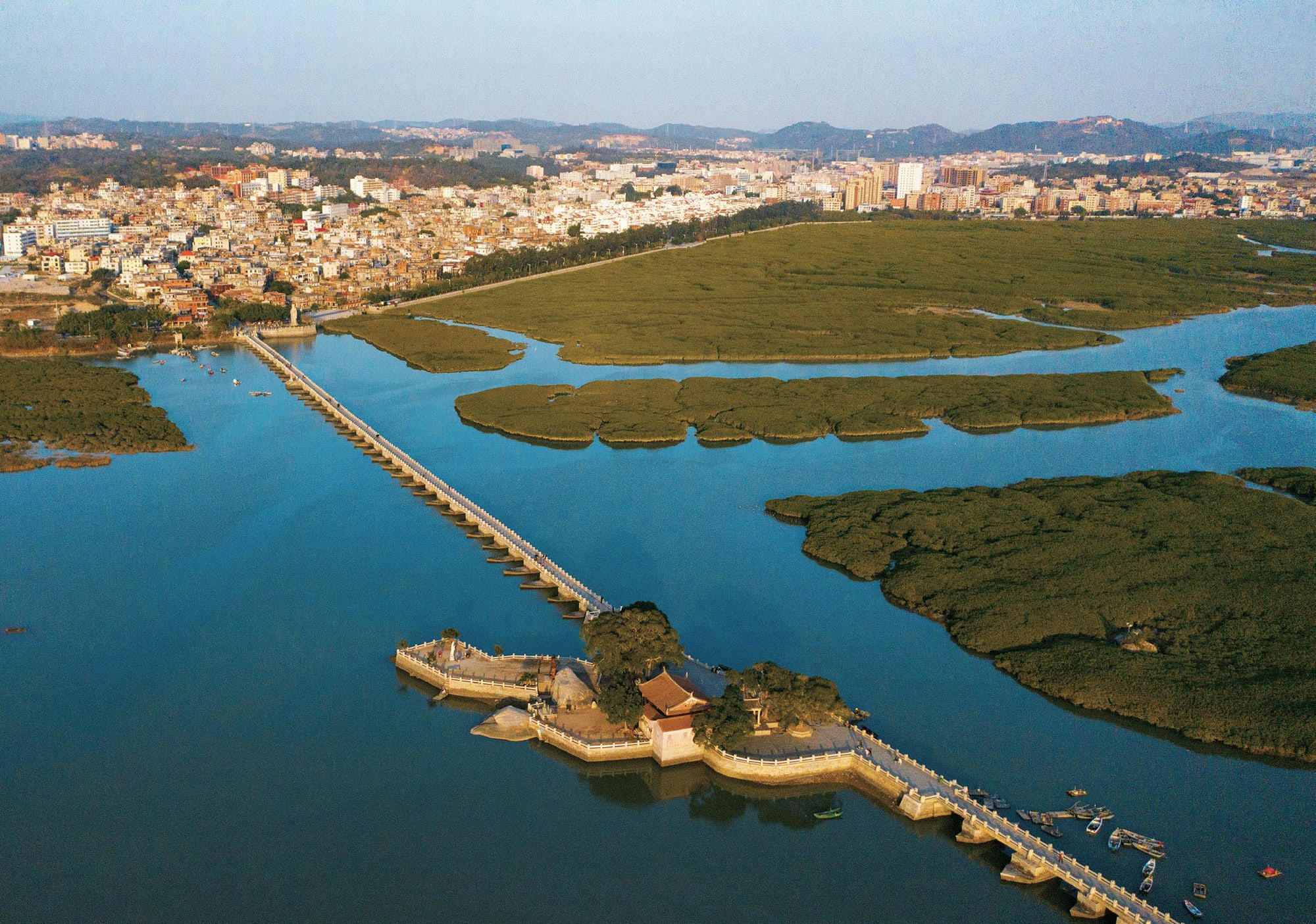
Quanzhou mattered because it assembled the systems a global port needed: production, roads, bridges, docks, navigation, institutions, markets and a socially diverse city.
UNESCO's official value is therefore more useful than the phrase “Maritime Silk Road starting point.” It explains how the port worked and why 22 very different places belong to one property.
Seen from beyond China
Marco Polo wrote about trade, Ibn Battuta arrived through an Indian Ocean network, and Odoric recorded a Franciscan presence.
Our source-led series places those accounts beside modern international scholarship, then connects each argument to places a visitor can still examine in Quanzhou.
Read Quanzhou in world accounts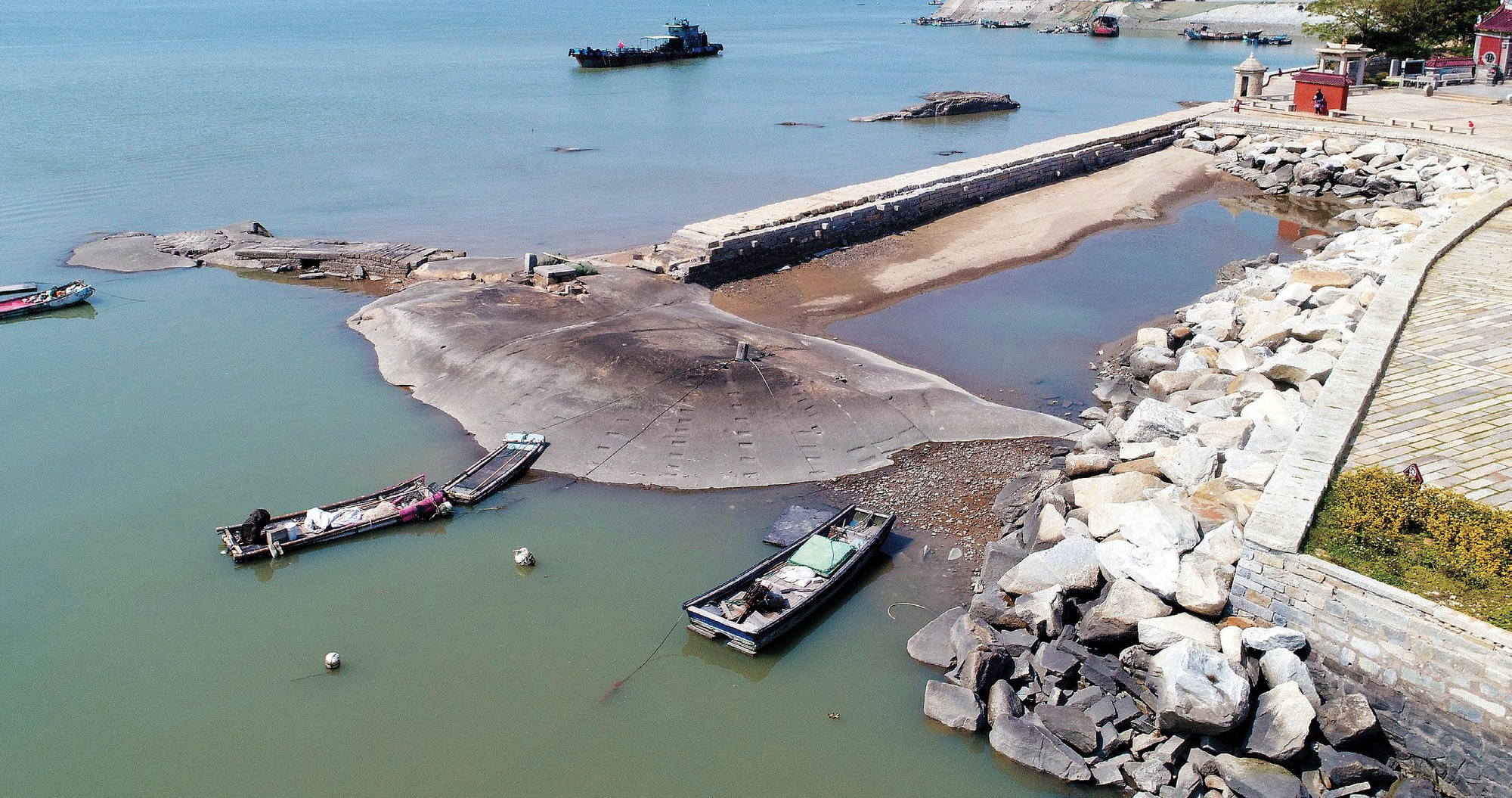
Three layers
Buddhist, Daoist, Islamic, Manichaean and maritime beliefs make long-distance contact visible.
Explore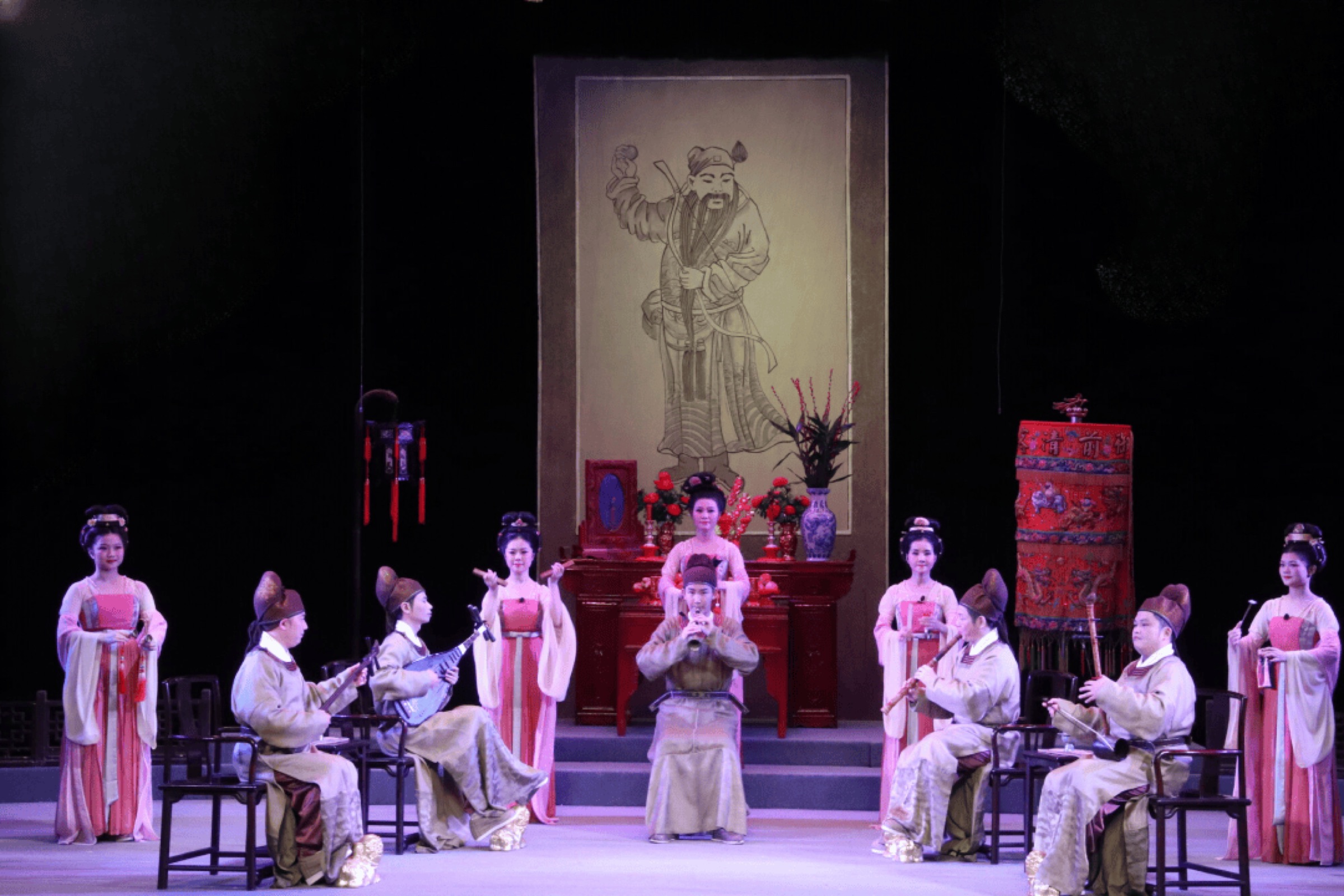
Language, music, theatre, food and family networks connect Quanzhou with Taiwan and Southeast Asia.
Explore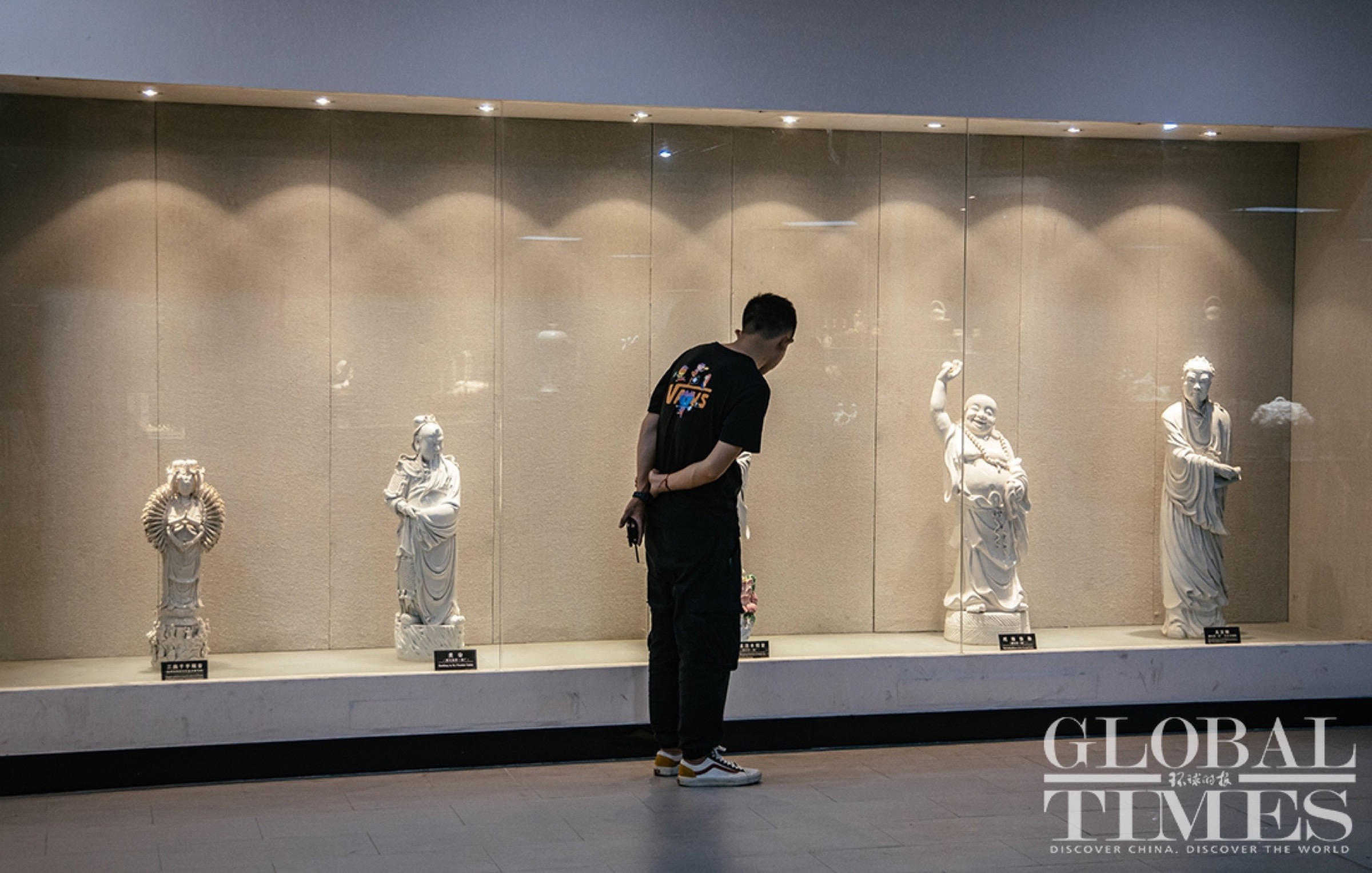
Sportswear, shoes, apparel, porcelain, tea and food products keep production and export central to the regional economy.
Explore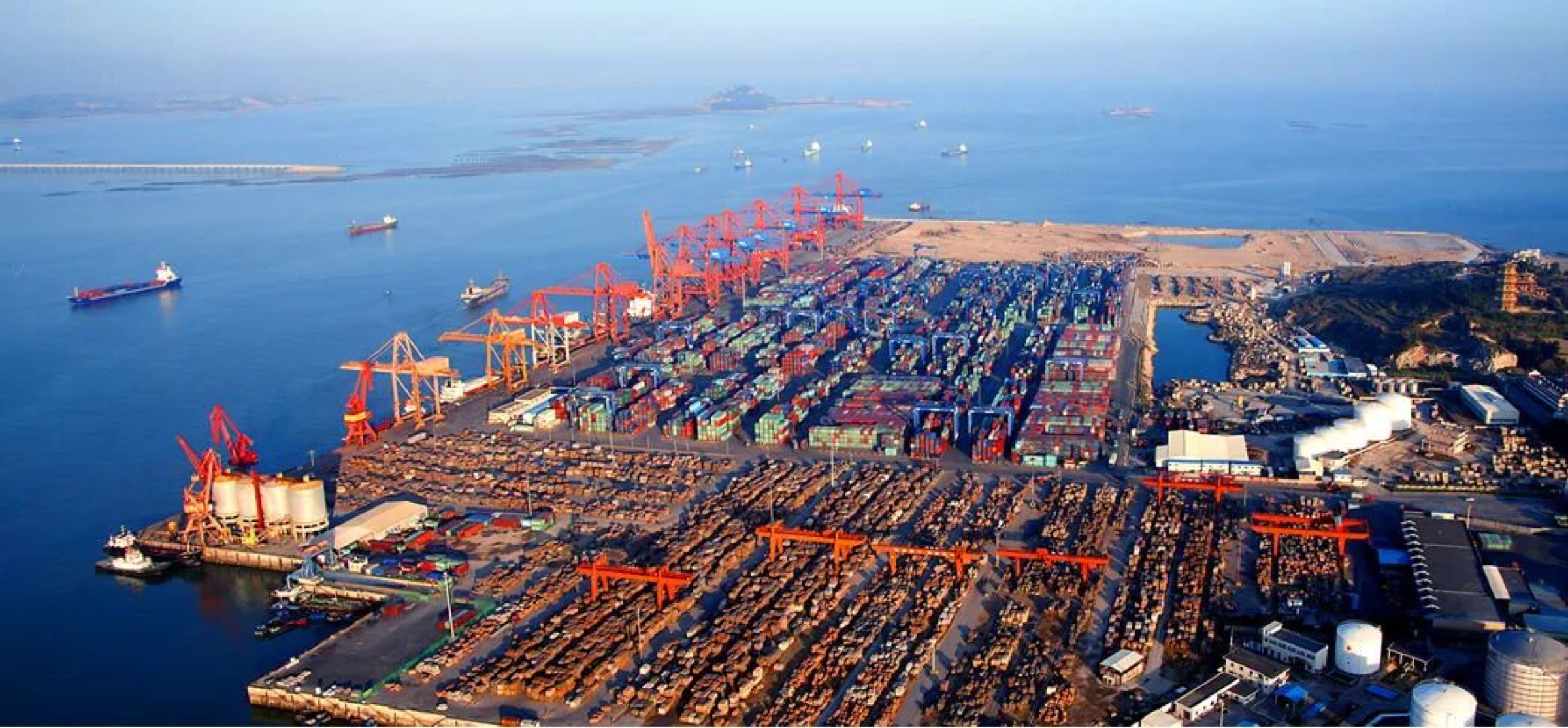
Inside Quanzhou
The editorial starting point is the international visitor's decision: why the city matters, what can actually be experienced, how it differs from nearby destinations and what information makes the trip workable.
Read the editorial policy