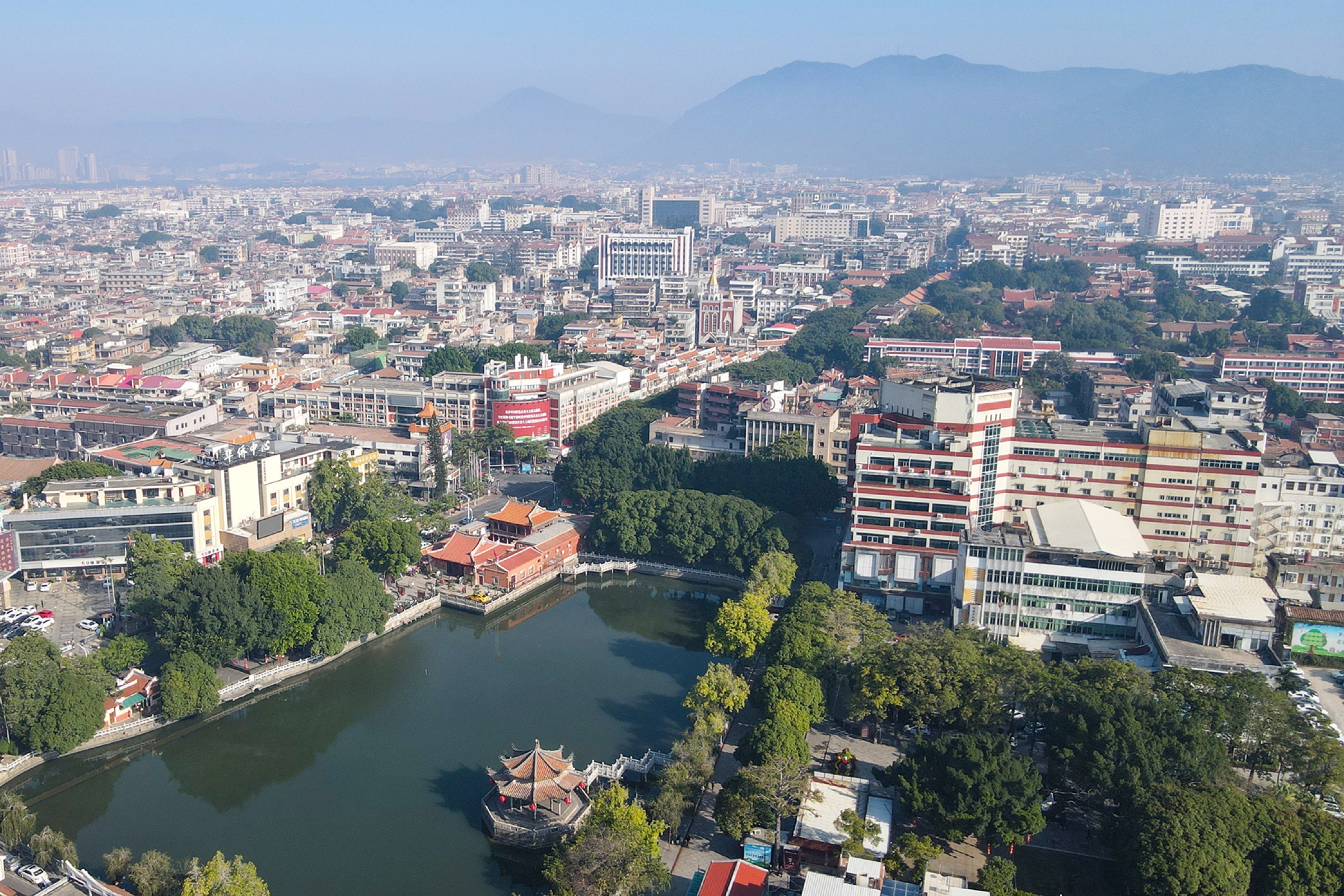
Shoes and sports apparel
ANTA, Xtep, 361° and Peak help explain why Jinjiang and Quanzhou matter in China's sportswear industry.
Explore Inside Quanzhou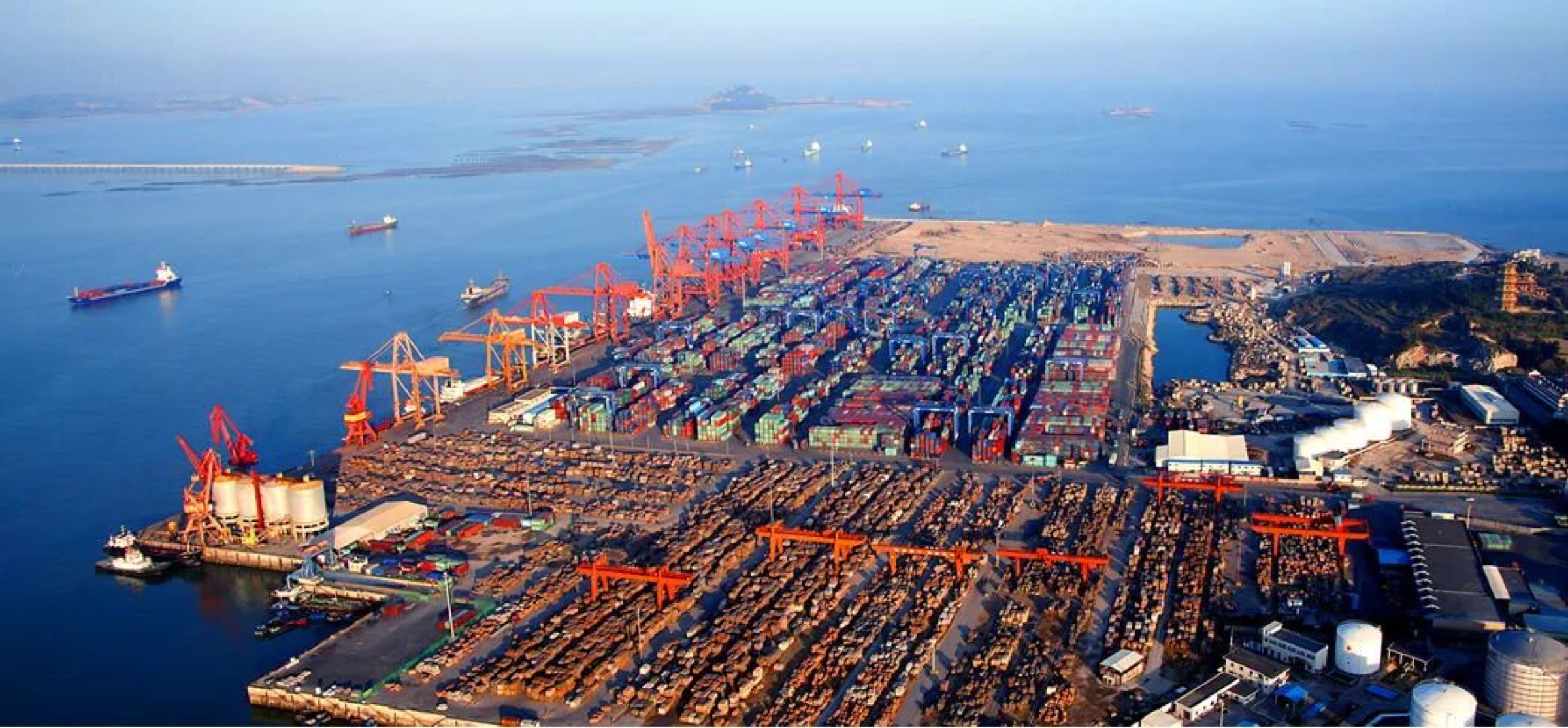
Shop
The city's trade story is still active: global sportswear businesses, clothing supply chains, porcelain, tea and food products all come from the wider Quanzhou region.
A living trade city
The wider city is now a major manufacturing and export region, especially for footwear, sportswear, apparel, ceramics and food products.
For a traveler, that makes contemporary brand retail and traditional craft meaningful parts of the city story. It does not automatically mean every product is cheaper at origin, every factory is open to visitors or wholesale markets are easy to navigate without preparation.
What to look for
Buy from official retail channels when authenticity, returns and product information matter.
ANTA, Xtep, 361° and Peak help explain why Jinjiang and Quanzhou matter in China's sportswear industry.
Explore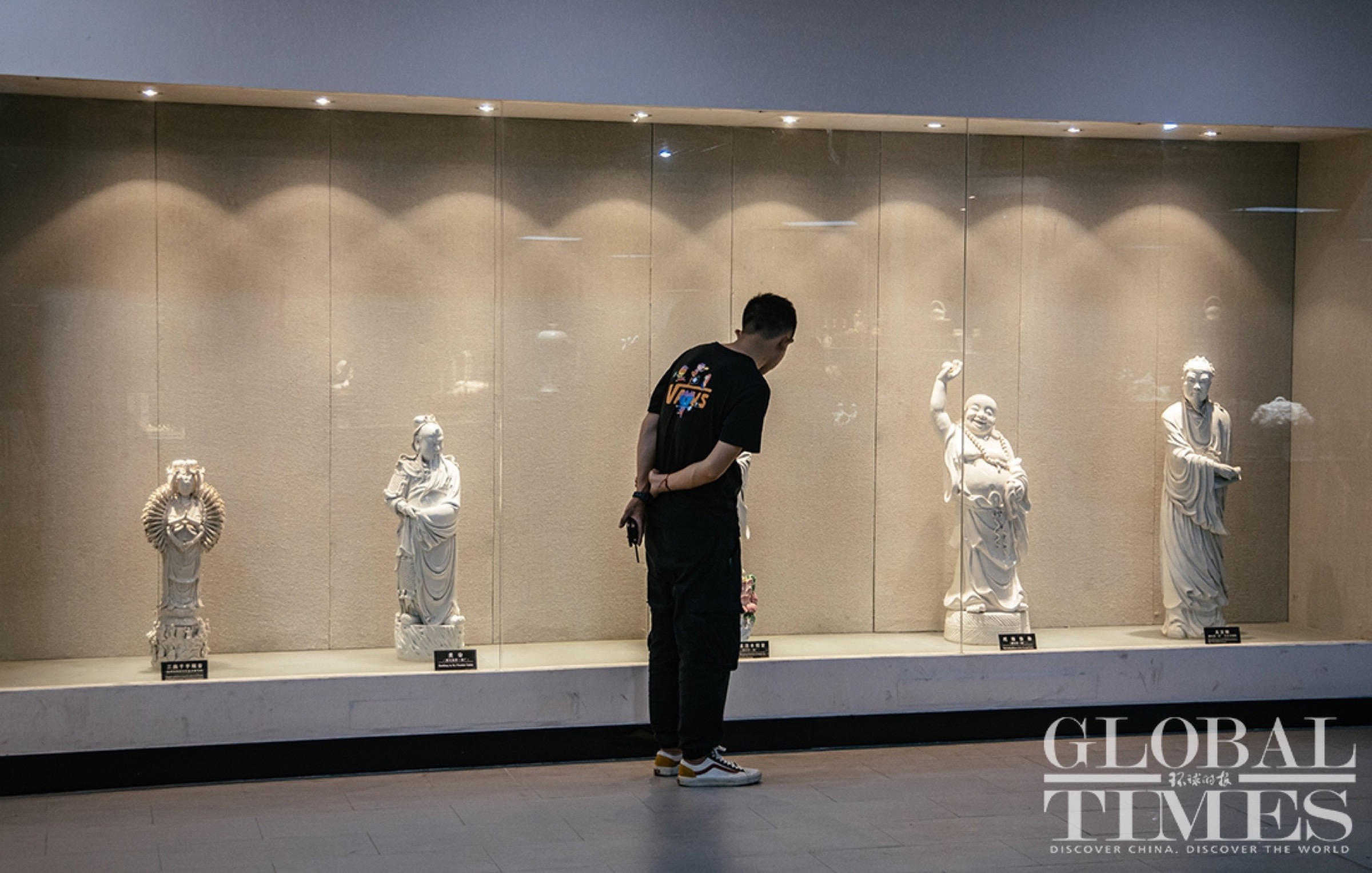
Compare traditional white figures, contemporary design and practical tableware; ask about maker, material and shipping.
Explore
Anxi tea, sweets and packaged local foods travel more easily than fresh street dishes; check customs rules for your destination.
ExploreWhere to shop
The two malls are practical modern retail centres. Zhongshan Road combines shopping with a walk through the historic city.
Useful for mainstream fashion, sportswear, restaurants, cinema and familiar mall services in one place.
Explore A large contemporary shopping centre for brands, dining and everyday purchases outside the historic core.
Explore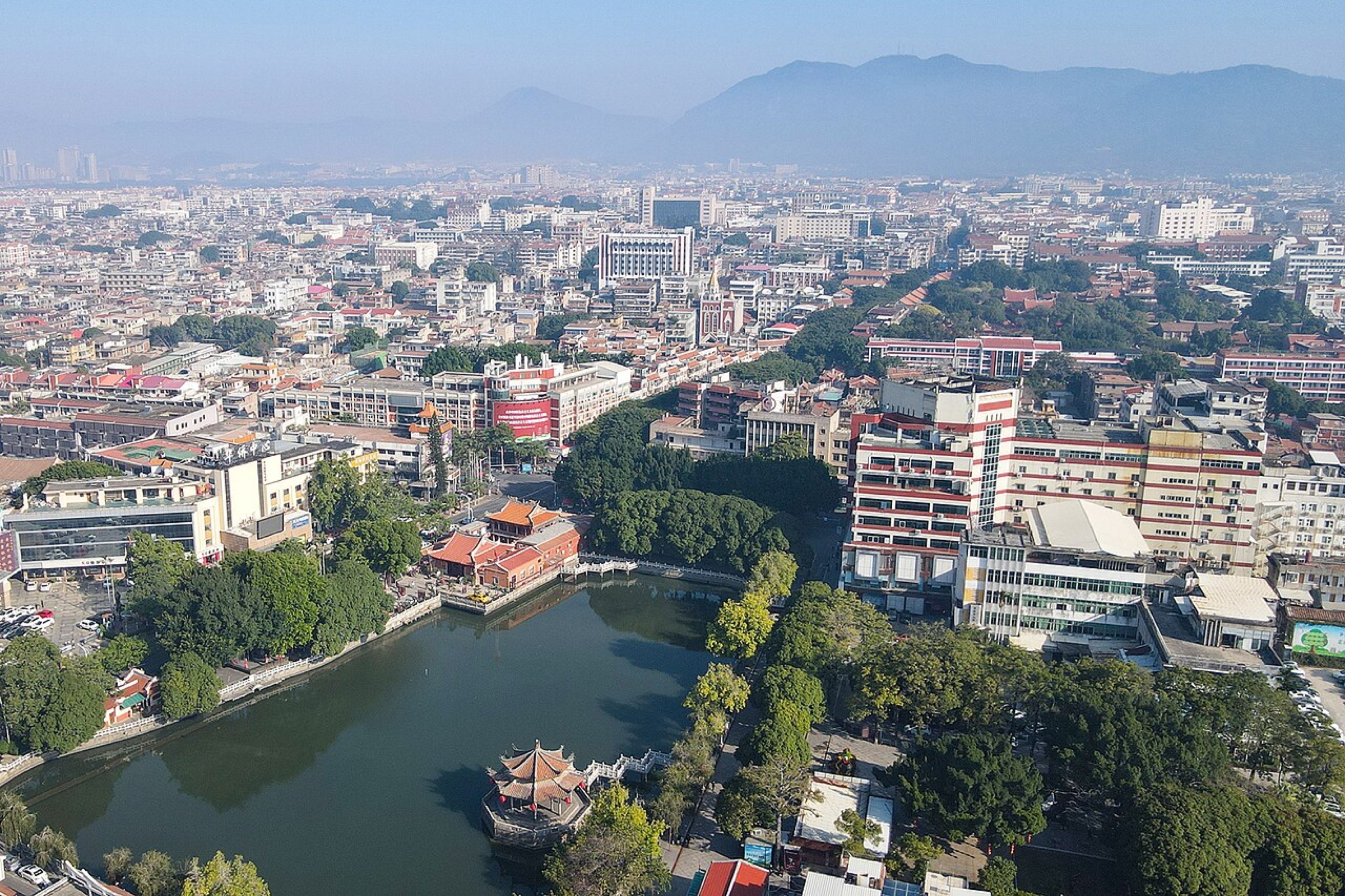
Choose this for an old-city walk with shops, snacks and local street life rather than a conventional enclosed mall.
ExploreChoose the right route
Retail
Use brand stores, department stores or established craft shops. Keep receipts, confirm return policies and compare prices with the brand's official channels.
Sourcing
Arrange appointments, define specifications and quantities, verify the company and quality process, and plan samples, contracts, export documentation and logistics.
Factory proximity can improve access to makers and supply chains, but retail value still depends on channel, authenticity, model and after-sales service.