
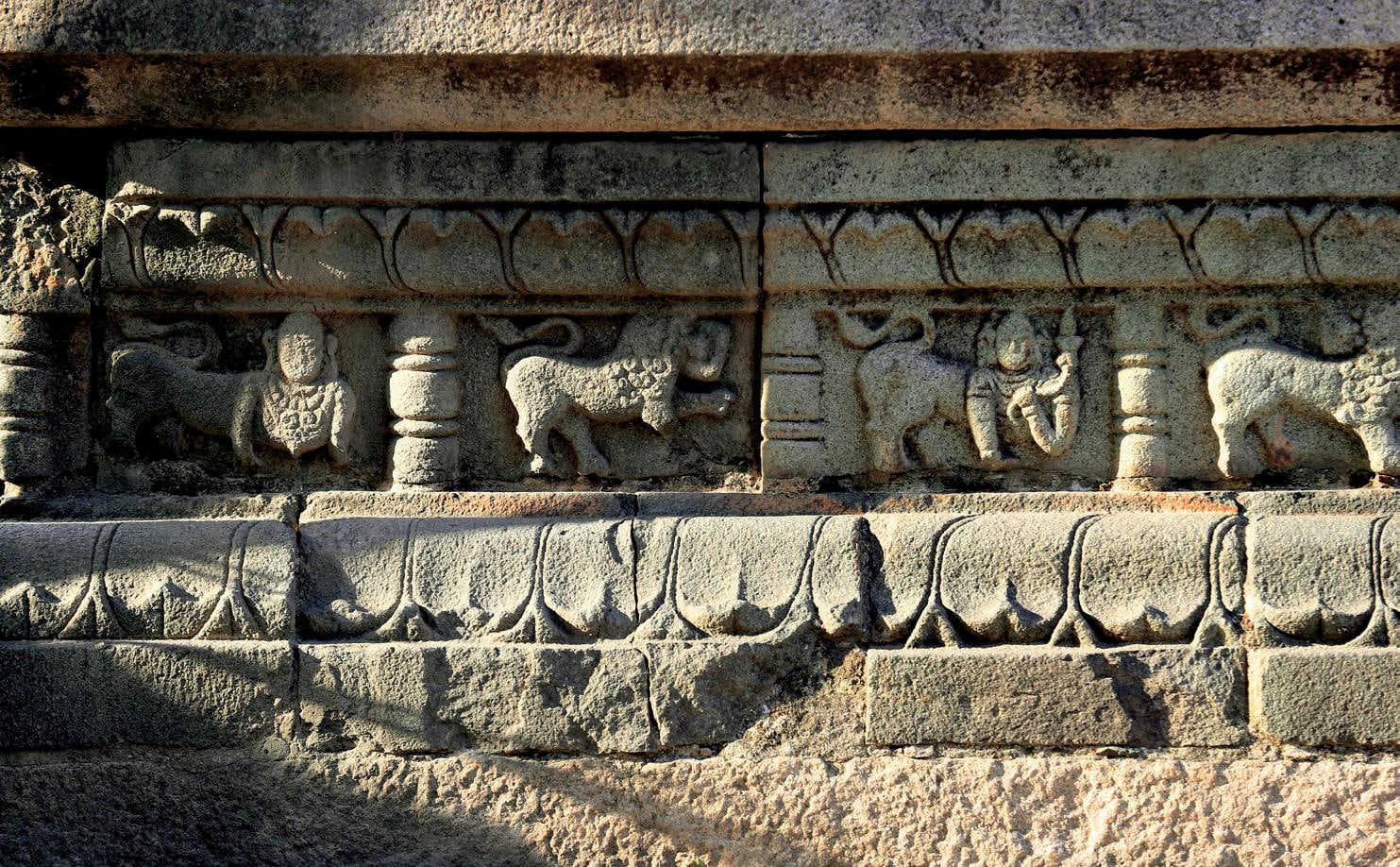
闽南砖雕
Start with the practice
The 2026 provincial listing recognises brick carving as a distinct material practice. Design must respond to the grain, hardness, firing and architectural position of the brick rather than simply copy wood or stone carving.
For visitors, the craft offers a reason to slow down at doorways, gables and wall panels where architecture becomes a surface for symbols and stories.
What your eyes and ears should follow
- Look at depth: shallow line work and deeper relief catch light differently.
- Read the panel in relation to the doorway, courtyard or facade it was designed for.
- Weathering and repair reveal how material choice affects survival.
How to encounter it in Quanzhou
Historic houses and halls offer in-situ examples; a workshop makes tools and stages of carving easier to understand.
Use an identified guide or maker when possible so motifs are not guessed from appearance alone.
Visit with respect
- Do not rub, chalk or touch historic carved surfaces.
- Ask before photographing templates or unfinished commissions in a workshop.