
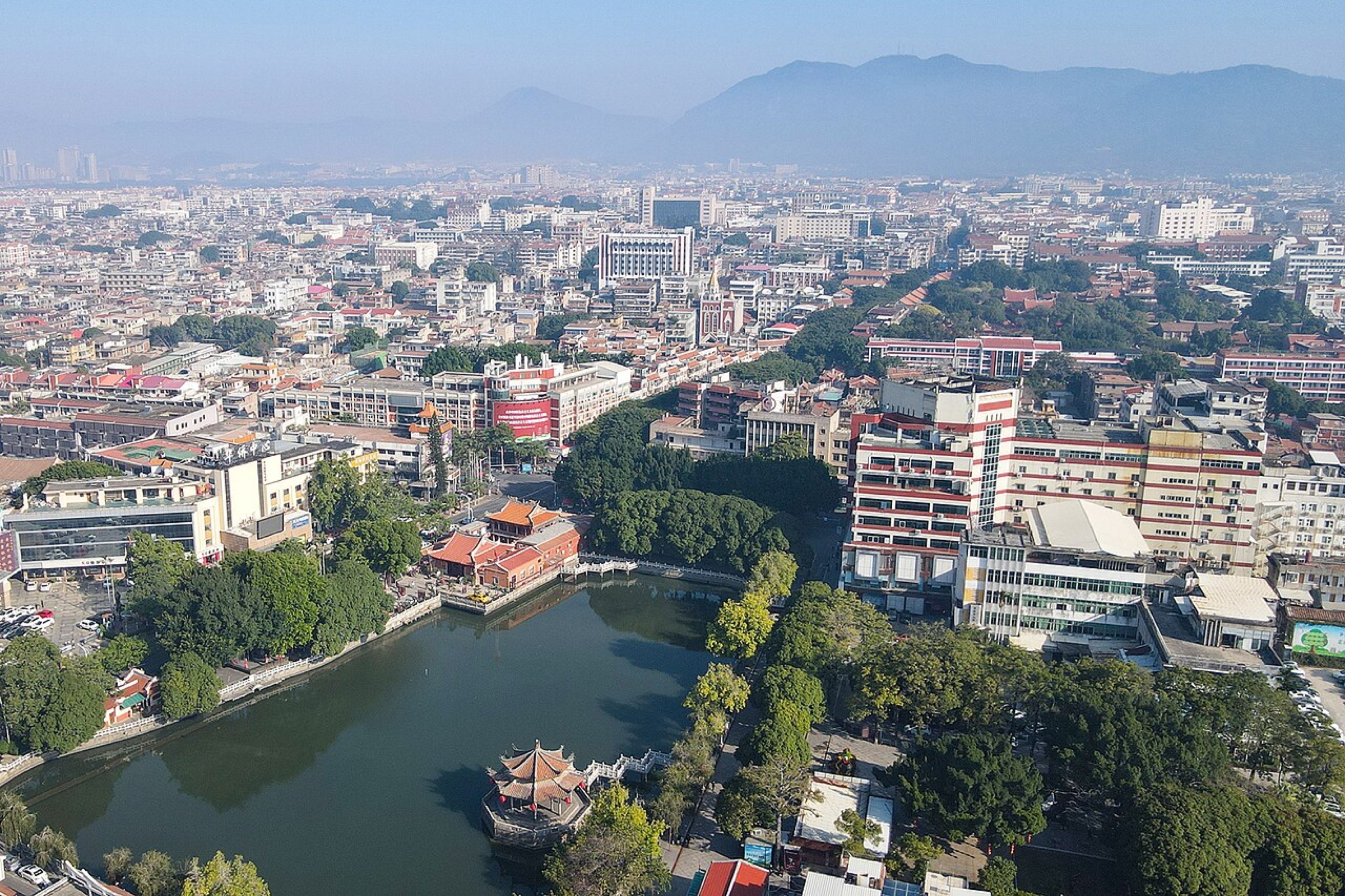
Morning light over historic Quanzhou and the twin pagodas of Kaiyuan Temple

Weather + seasons

Best time to visit Quanzhou

For the strongest balance of walking weather and lower rain risk, begin with late October to December. March and April are the softer spring alternative.

Best all-round
Late October-December
Spring alternative
March-April
Wet-season core
May-June
Heat + storm risk
July-September

The short answer

Choose for the kind of day you want to have.

Quanzhou is a city of long walks, open courtyards, stone bridges and active temple grounds. Comfortable outdoor time matters more here than chasing a single perfect temperature.

Our late-October-to-December recommendation is an editorial judgement based on the city's long-term climate pattern: summer heat and the main typhoon period have usually eased, while the rain risk is generally lower than in late spring and early summer. It is not a guarantee for any specific week.

March and April can also work well, especially for visitors who prefer spring greenery and softer light. Build in more flexibility for humidity, low cloud and showers.

Visitors walking through a historic street in central Quanzhou

Season by season

Six planning windows, six different trade-offs

Use these periods to choose a trip style, then switch to a reliable short-range forecast before you pack or book outdoor routes.

Jan-Feb

Mild to cool, with a holiday wildcard

City temperatures are usually manageable, but damp air and coastal wind can feel cooler than the number suggests. Lunar New Year brings living tradition and festive atmosphere, alongside exceptionally high demand and crowds in popular areas.

Mar-Apr

A flexible spring choice

Walking can be comfortable and the landscape turns greener. Humidity, fog and rain become more likely as spring advances, so keep one museum or indoor cultural stop ready.

May-Jun

Rain shapes the itinerary

This is the core wet-season period in official local planning. Heavy rain can interrupt bridges, mountain paths and long street walks even when the full day is not lost.

Jul-Sep

Heat, humidity and storm risk

Start early, rest through the hottest part of the day and keep plans changeable. Official long-term data places the main typhoon period here; transport disruption matters more than whether a monthly average looks acceptable.

October

Improving weather, uneven crowds

Conditions often become better for walking, but the first week is China's National Day holiday and can be dramatically busier. Typhoon effects are still possible, so keep checking forecasts.

Nov-Dec

The strongest all-round window

These months usually offer a useful balance for downtown walks and outlying heritage. Bring a light layer and wind protection, particularly for exposed bridges, the coast and evening streets.

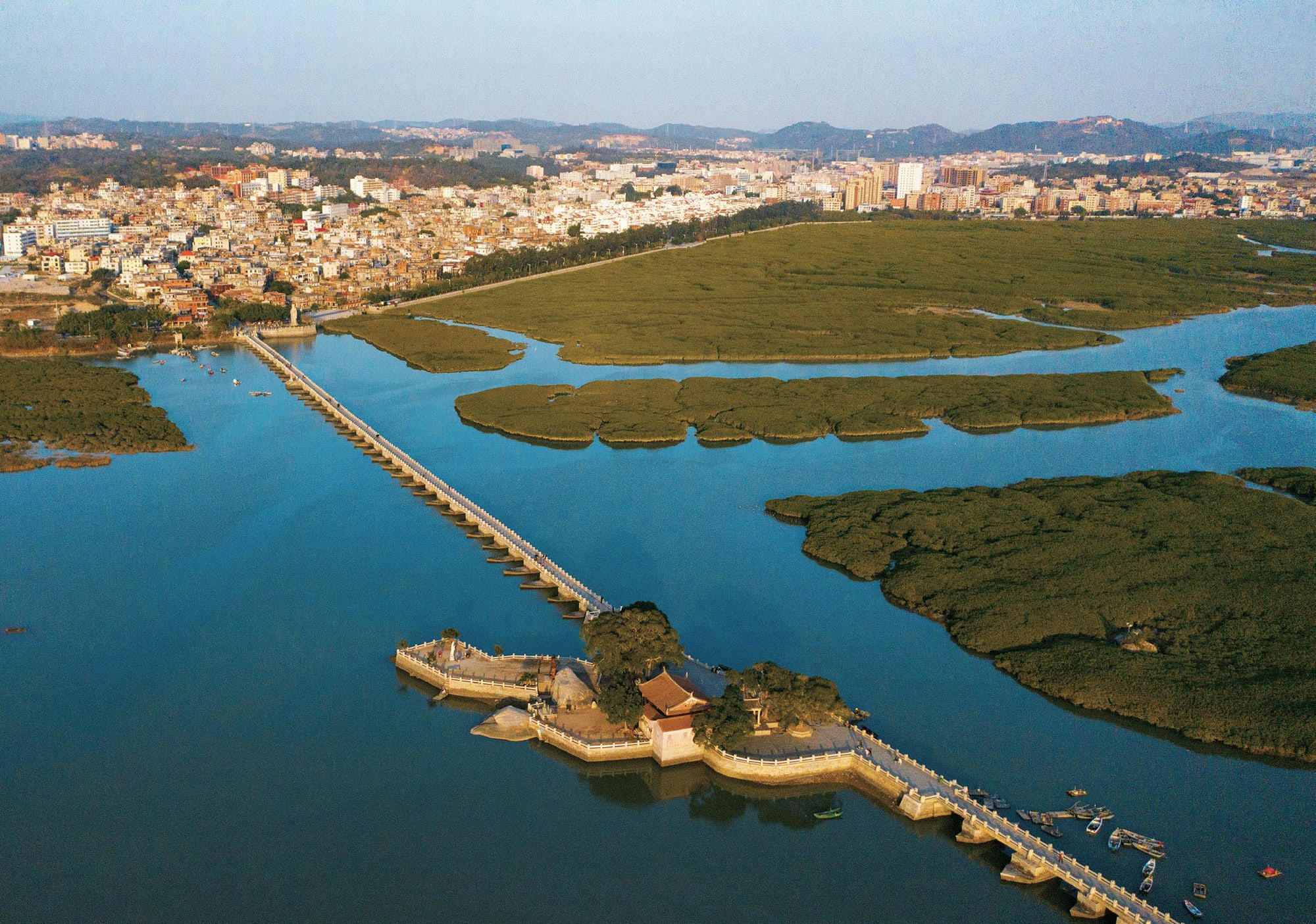
Luoyang Bridge exposed to the weather over a tidal estuary

Typhoon and heavy-rain decisions

Trust the next few days more than the monthly average.

A season tells you the background risk. A short-range official forecast tells you whether your train, flight, bridge walk or coastal route may actually be affected.

  1. Seven days beforeReview the broad pattern before locking in a remote heritage day.
  2. Three days beforeCheck official warnings and transport notices; move outdoor priorities if needed.
  3. On the dayRecheck rain, wind and heat alerts before exposed bridges, mountains or coastal sites.
China Meteorological Administration

Crowd calendar

Weather can be pleasant while the city is exceptionally busy.

National Day Golden Week and Lunar New Year are not ordinary travel weeks.

Quanzhou's official 2025 National Day report recorded more than 10 million visits citywide and 1.38 million in the Old City across the holiday. The 2026 Spring Festival period also brought very high visitor numbers and hotel occupancy above 95 percent.

These holidays can be culturally rewarding, but book rooms and rail early, start before the main crowd, and expect access controls around headline streets and temples. Outside major holidays, ordinary weekends can still be lively without operating at the same scale.

Visitors and historic rooftops around West Street in Quanzhou

What to pack

Prepare for humidity, rain and long outdoor hours

  1. Comfortable shoes with reliable grip

    Stone paving, bridge surfaces and temple courtyards can become slippery after rain.

  2. A compact rain layer

    An umbrella helps in showers, but a light waterproof layer is more useful when rain meets wind.

  3. Sun and heat protection

    Carry water, sunscreen and a hat in warmer months; plan shade and indoor breaks rather than pushing through midday heat.

  4. A light layer for winter and exposed sites

    Sea wind, damp air and unheated traditional spaces can feel cooler than a simple temperature reading suggests.

Turn the season into a workable route.

Use the map to separate the walkable historic core from bridges, mountains, coast and county trips.

Open the Quanzhou map