UNESCO
International framework
UNESCO maintains more than one list or register. Quanzhou's connections include Representative List entries, one element in need of urgent safeguarding and one recognised safeguarding programme.
See the six records → Inside Quanzhou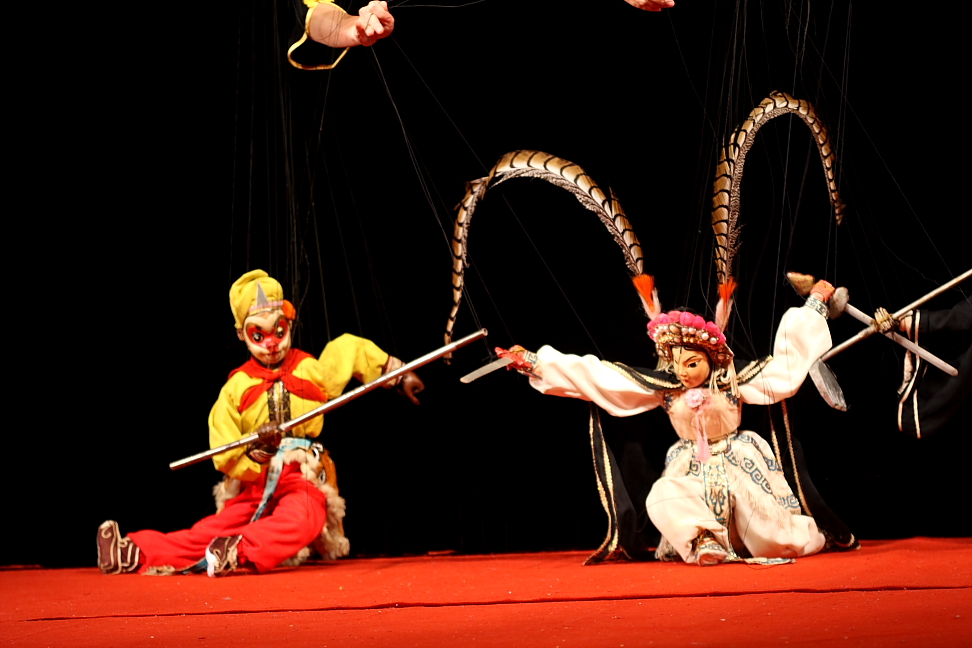
Living heritage
A song, ritual, building method or food craft survives through people who practise, teach, adapt and recognise it as their own. The official lists matter, but they are a doorway rather than the whole experience.
The basic distinction
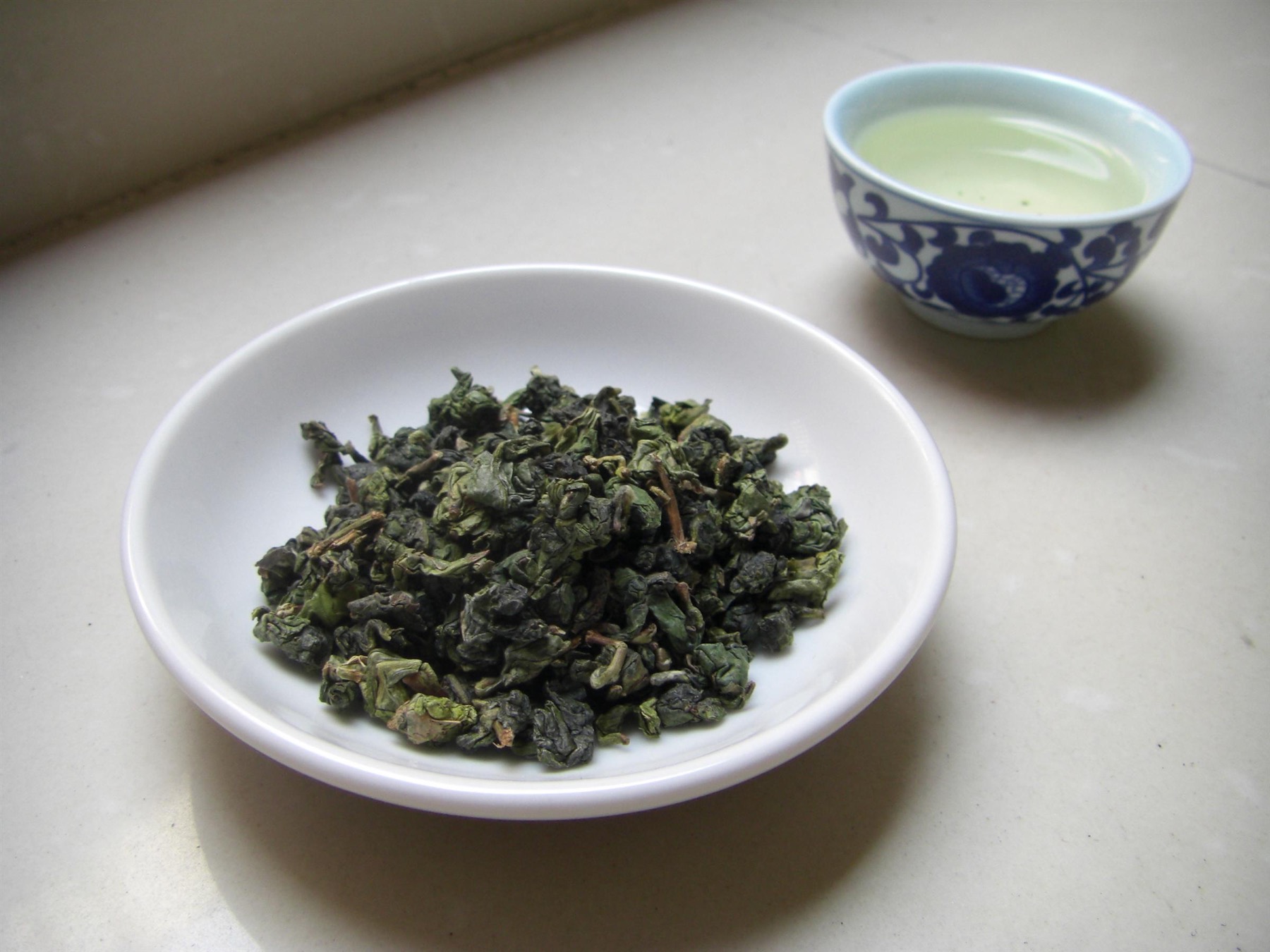
The object can be visible: a puppet, a tea leaf, a roof ornament or a wooden vessel. The heritage lies in the knowledge and relationships that make the object meaningful and reproducible.
A museum can preserve examples and evidence. A theatre, workshop, music society, temple or family may carry the practice itself. The two support one another, but they are not interchangeable.
How the records work
A higher-profile list is not proof that one practice is culturally 'better' than another. Each record has its own scope and safeguarding purpose.
UNESCO
UNESCO maintains more than one list or register. Quanzhou's connections include Representative List entries, one element in need of urgent safeguarding and one recognised safeguarding programme.
See the six records →China
The national inventory records formal project names, categories, places, protection units, batches and codes. Quanzhou's official total is 36 projects.
Browse all 36 →Fujian
The provincial inventory captures a much wider field and can identify practices rooted in a district, county, harbour, village or specialist trade. Quanzhou's current total is 135.
See the 2026 additions →A better visitor question
For performance, ask who is performing, what form it is and whether the scene has a synopsis. For craft, ask which stage of work you are seeing and what judgement the maker must exercise. For ritual, ask whether the event is open to visitors and where observation is appropriate.
An inventory entry may be active, seasonal, private, endangered or difficult to encounter without local arrangement. This guide separates a practice's formal status from current visitor access so a heritage label never becomes a false opening-hours promise.
Each page gives a readable English name and preserves the official Chinese name. The English version helps international readers navigate; the Chinese record remains essential for searching schedules, maps and official notices.