01 · 2009
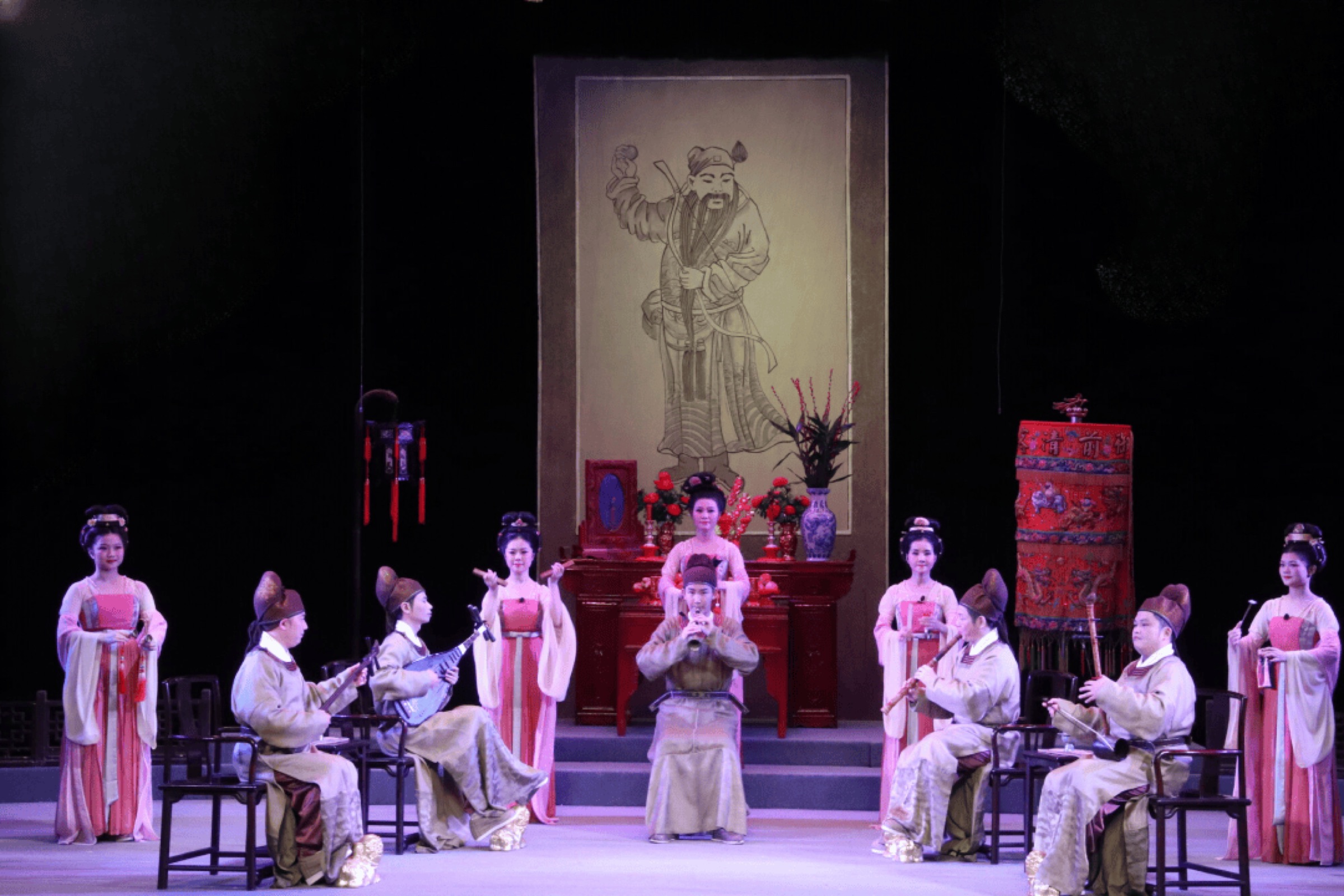
Nanyin
Representative List of the Intangible Cultural Heritage of Humanity
Slow, finely balanced chamber music sung in the Quanzhou dialect, carried by voices, pipa, dongxiao flute, strings and wooden clappers.
 Inside Quanzhou
 UNESCO intangible heritage
Music, architecture, maritime ritual, shipbuilding, puppetry safeguarding and tea connect Quanzhou with UNESCO's living-heritage framework. Their status, scope and local relationship differ.
Read the label precisely
The Representative List promotes visibility. The Urgent Safeguarding List signals threats to viability. The Good Safeguarding Practices Register recognises an effective protection approach.
Quanzhou's official count brings all three together because each has a local connection. Some entries are centred directly in Quanzhou; others are wider Chinese or transnational elements represented locally by a particular practice.

Official records, local reading
Each card gives the exact UNESCO record type first, then opens a Quanzhou-focused explanation.
01 · 2009
Representative List of the Intangible Cultural Heritage of Humanity
Slow, finely balanced chamber music sung in the Quanzhou dialect, carried by voices, pipa, dongxiao flute, strings and wooden clappers.
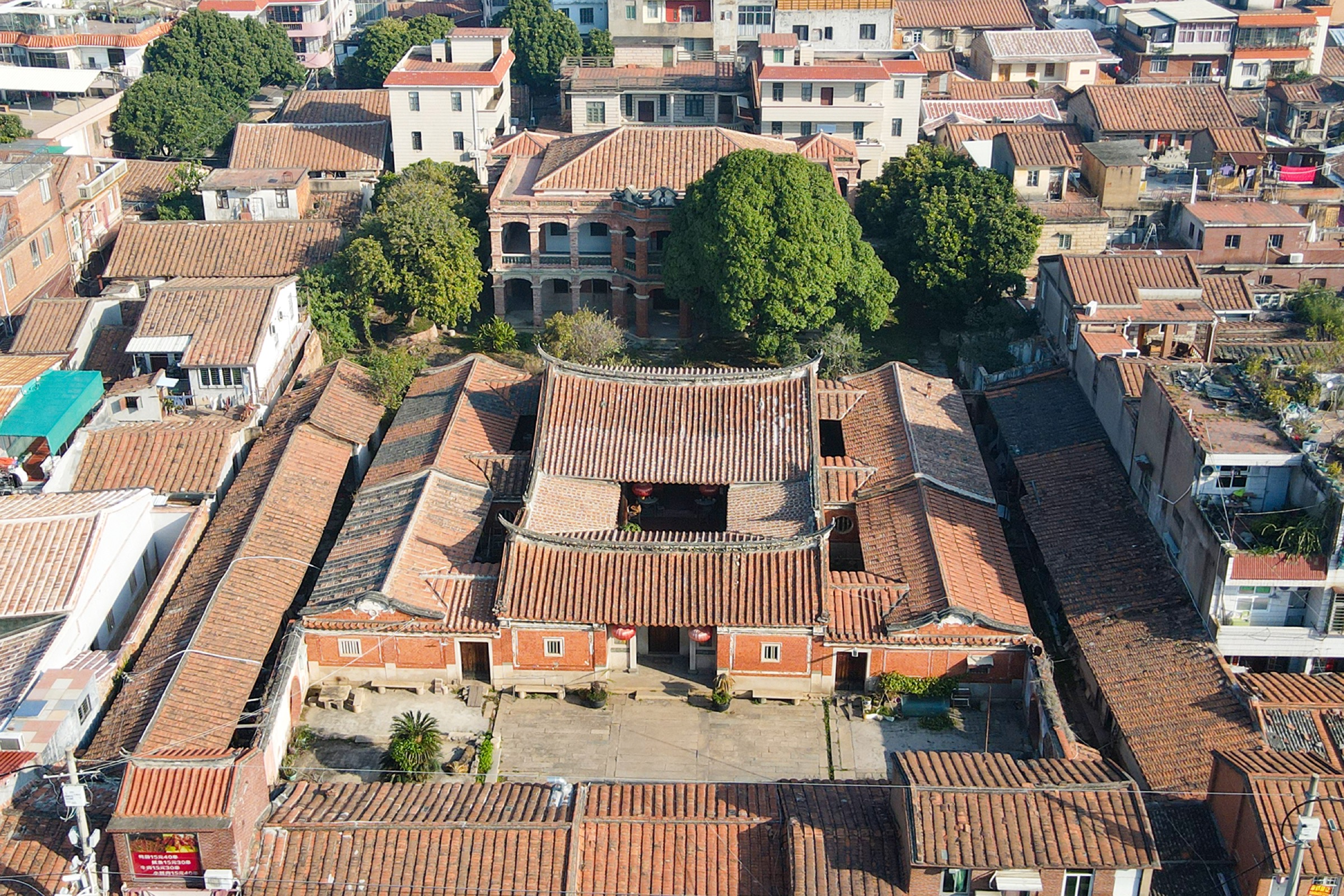
02 · 2009
Representative List of the Intangible Cultural Heritage of Humanity
A building tradition in which timber framing works with brick, stone, tile and specialist roof ornament to shape southern Fujian homes and halls.
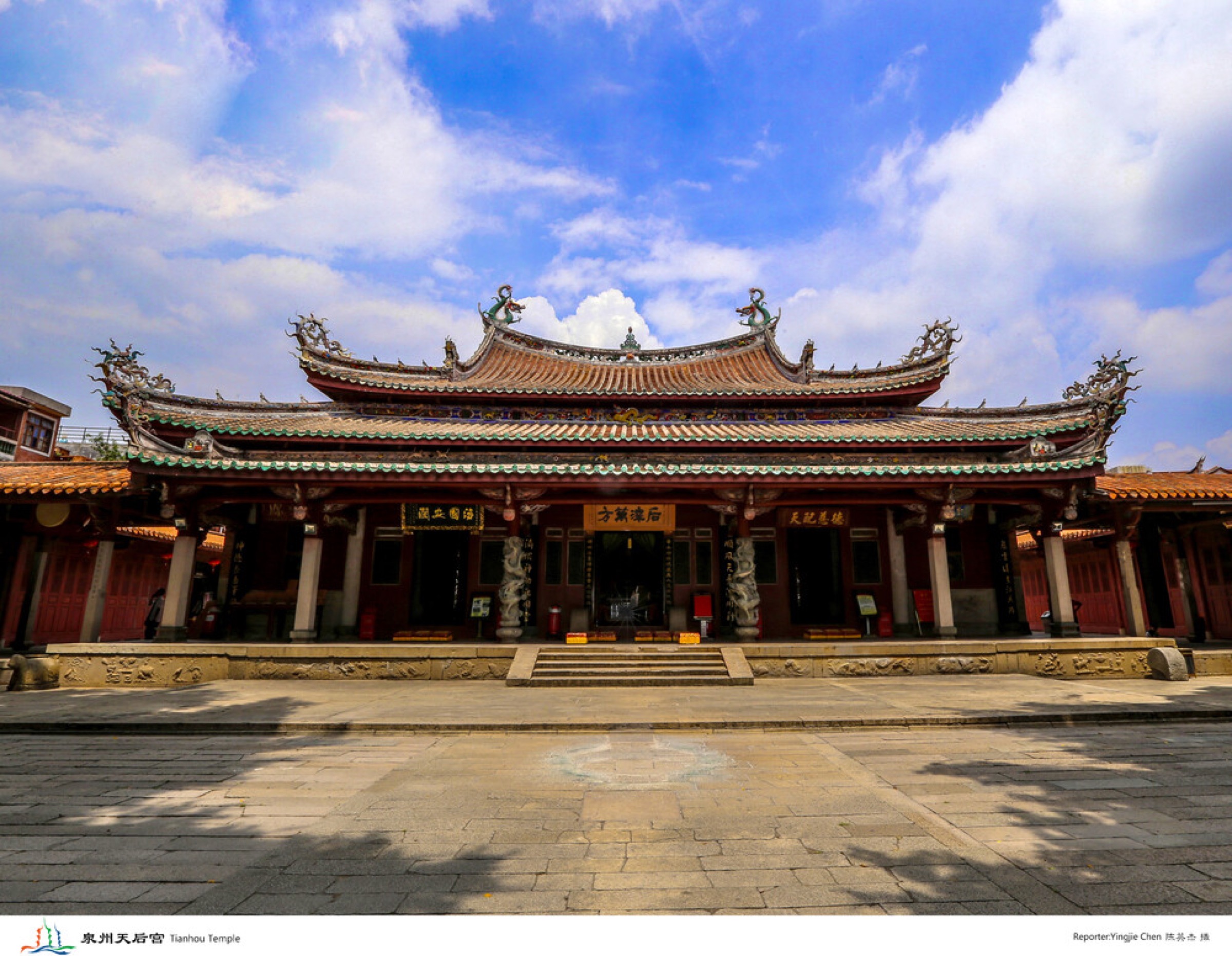
03 · 2020
Representative List of the Intangible Cultural Heritage of Humanity; joint China-Malaysia nomination
A community ritual centred on an elaborate ceremonial vessel, linking protection from disaster with maritime memory and shared practice across southern Fujian and Malaysia.
04 · 2010
List of Intangible Cultural Heritage in Need of Urgent Safeguarding
A wooden shipbuilding method that divides a hull with fitted bulkheads, limiting flooding when one compartment is damaged.
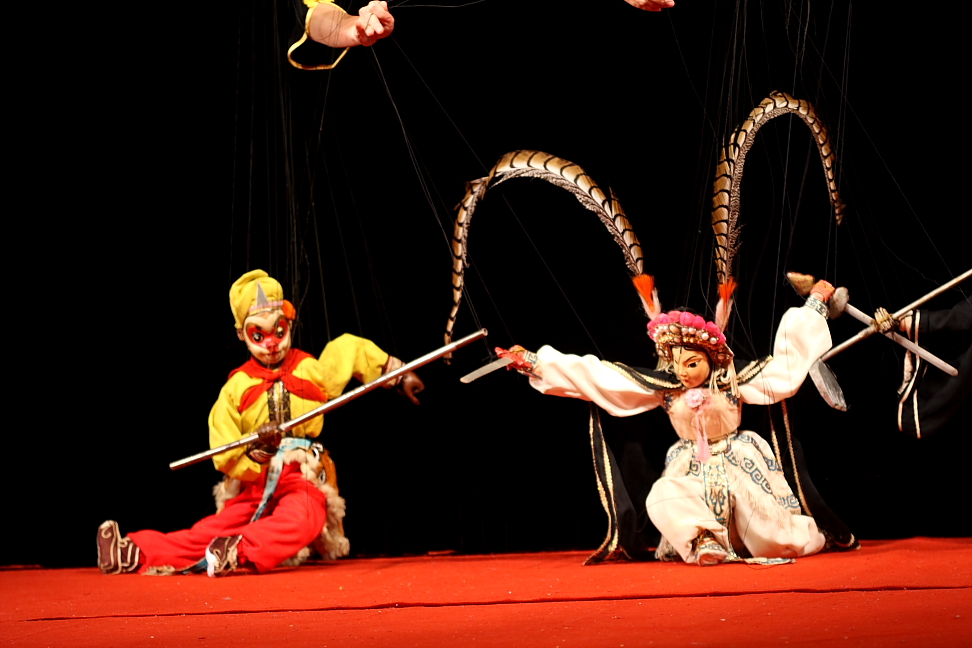
05 · 2012
Register of Good Safeguarding Practices
A UNESCO-recognised training strategy designed to pass puppetry skills, repertoire and making knowledge to new generations of practitioners.
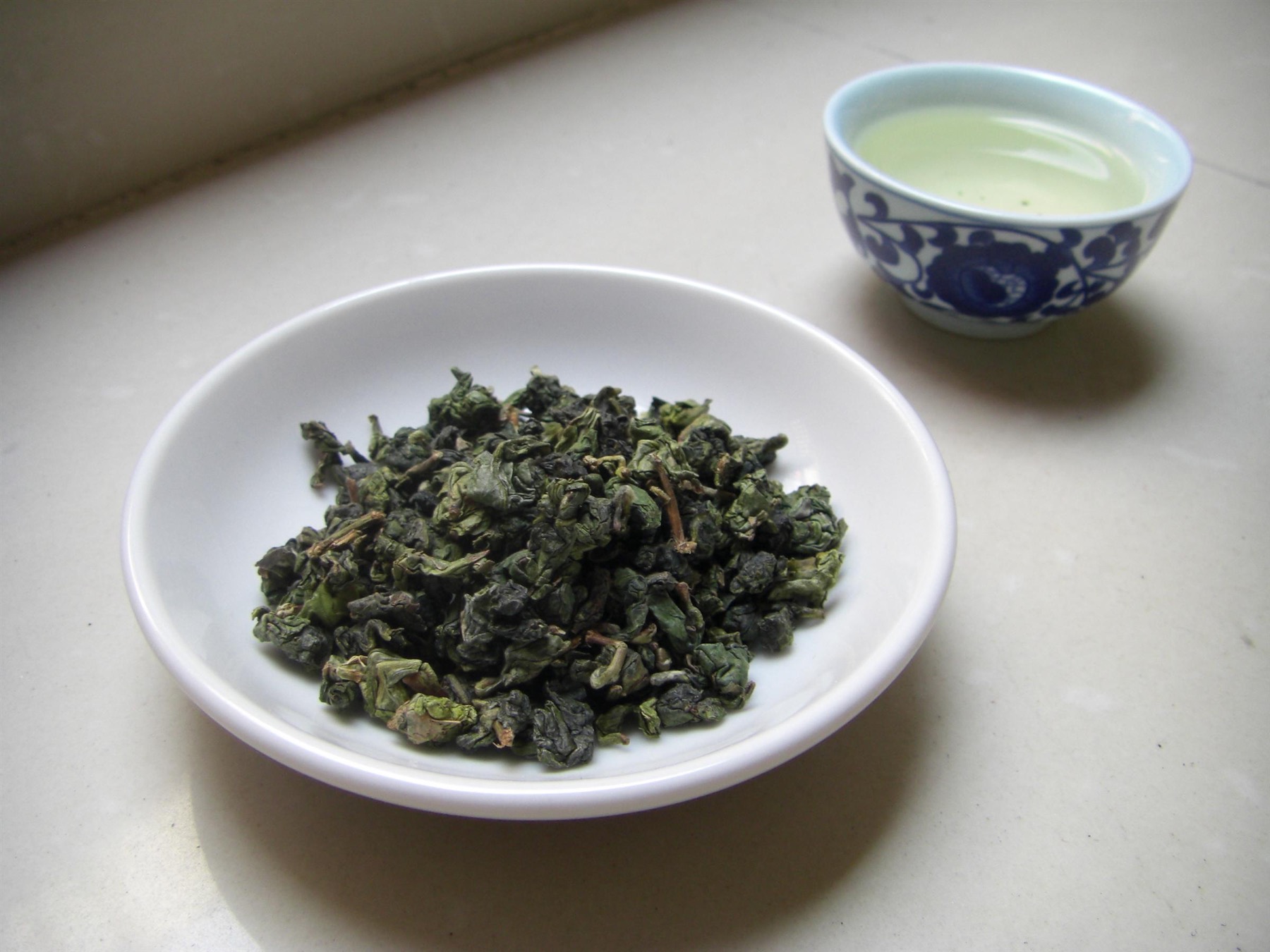
06 · 2022
Representative List of the Intangible Cultural Heritage of Humanity
A layered oolong-making tradition in which leaf handling, oxidation, roasting and repeated judgement shape aroma, texture and finish.
The Fujian puppetry entry recognises a practitioner-training strategy. It is not the UNESCO inscription name for a single puppet genre. Quanzhou string puppetry and Jinjiang glove puppetry have their own national inventory records.