
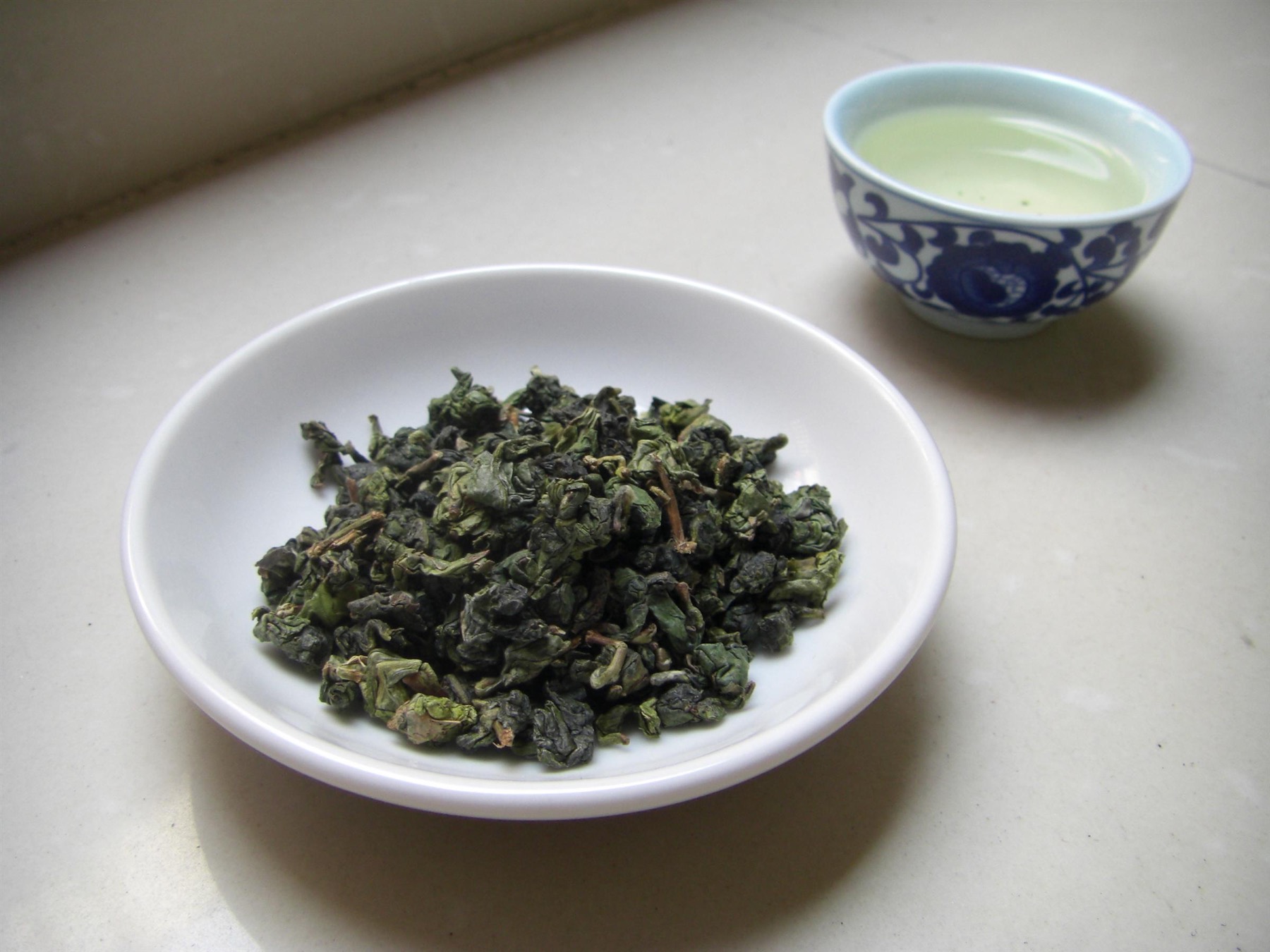
安溪铁观音制作技艺
Start with the practice
UNESCO's 2022 entry covers traditional tea processing techniques and associated social practices across China. Quanzhou's connection is Anxi Tieguanyin, whose national listing and local production culture make tea a living agricultural, craft and hospitality system.
A cup is the end of a chain: cultivar, mountain conditions, harvest, withering, bruising, oxidation control, fixing, rolling and roasting. The most revealing visit follows at least part of that chain.
What your eyes and ears should follow
- Smell the warmed dry leaf, the wet leaf and the cup separately.
- Ask what season the tea was picked and how strongly it was roasted.
- Repeated short infusions show how aroma and texture change; one large mug does not reveal the same structure.
How to encounter it in Quanzhou
A serious tea shop in Quanzhou can provide a first tasting. A trip to Anxi adds landscape, processing and producer context.
Harvest and processing are seasonal. Confirm whether a workshop is active before making a dedicated journey.
Visit with respect
- Ask before filming production areas or handling fresh leaves and equipment.
- Do not assume the most expensive tea is automatically the most traditional; ask about process and provenance.