天后宫
What did protection at sea mean in a port built on uncertainty?
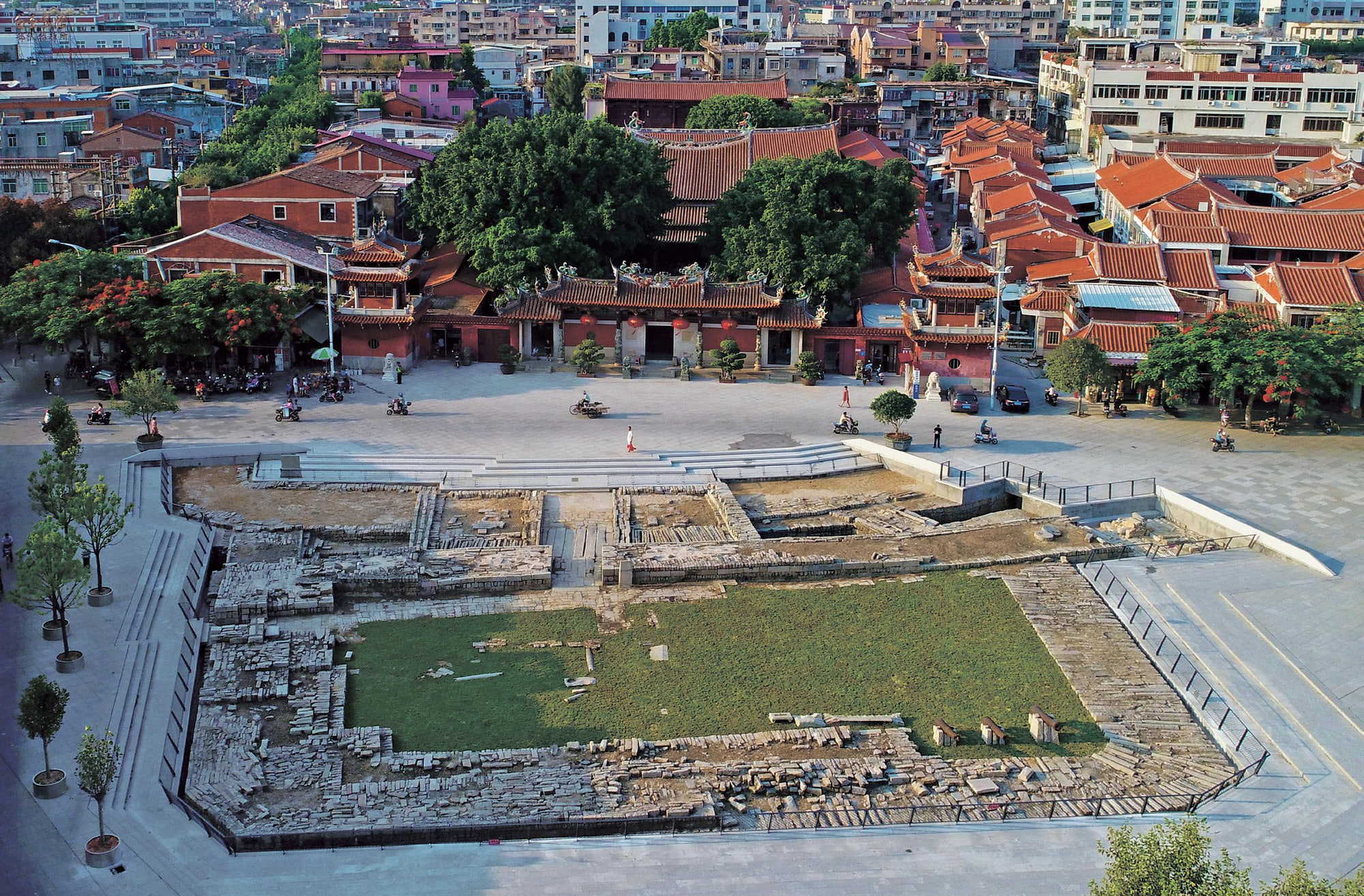
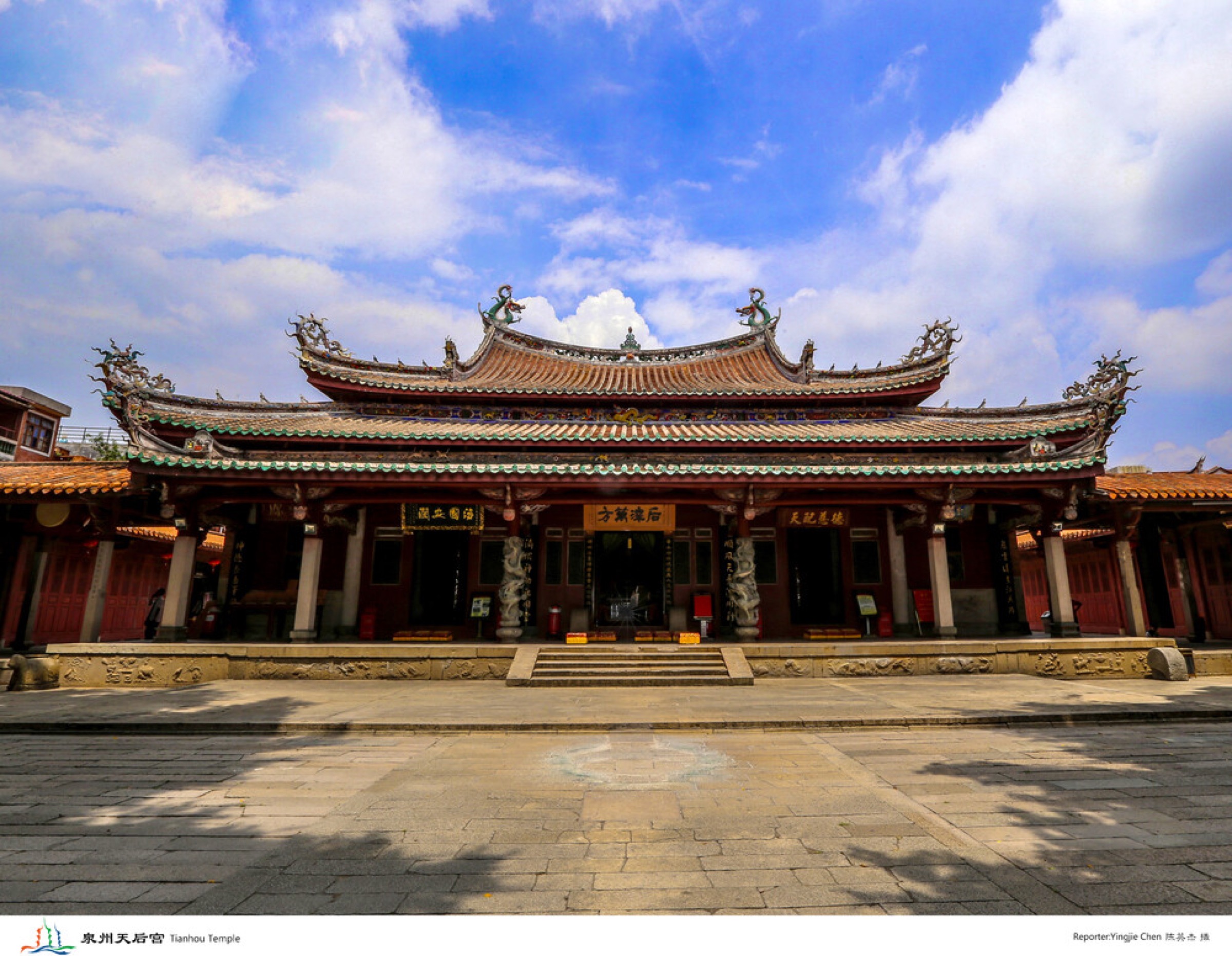
Tianhou Temple stands near Quanzhou's former southern gate and the river routes that once connected the city to its port. Founded in 1196 as Shunji Temple, it was dedicated to Mazu, the sea deity worshipped by sailors, merchants, fishing communities and coastal families across southern China.
For an international visitor, the most useful way to read the temple is not as an isolated example of Chinese religion. Maritime trade involved storms, long absences, financial risk and uncertain return. Mazu worship gave seafaring communities a shared language of protection, obligation and gratitude. As people migrated and traded, the belief travelled to Taiwan, Hong Kong, Macao and Southeast Asia.
The complex is historic but also living. Worship, offerings and ceremonies continue, while the architecture records rebuilding over many centuries. Some stone elements can be traced to the Song period; much of the surviving timber fabric belongs to later Ming and Qing work. The value lies in continuity, not in pretending every visible surface dates from 1196.