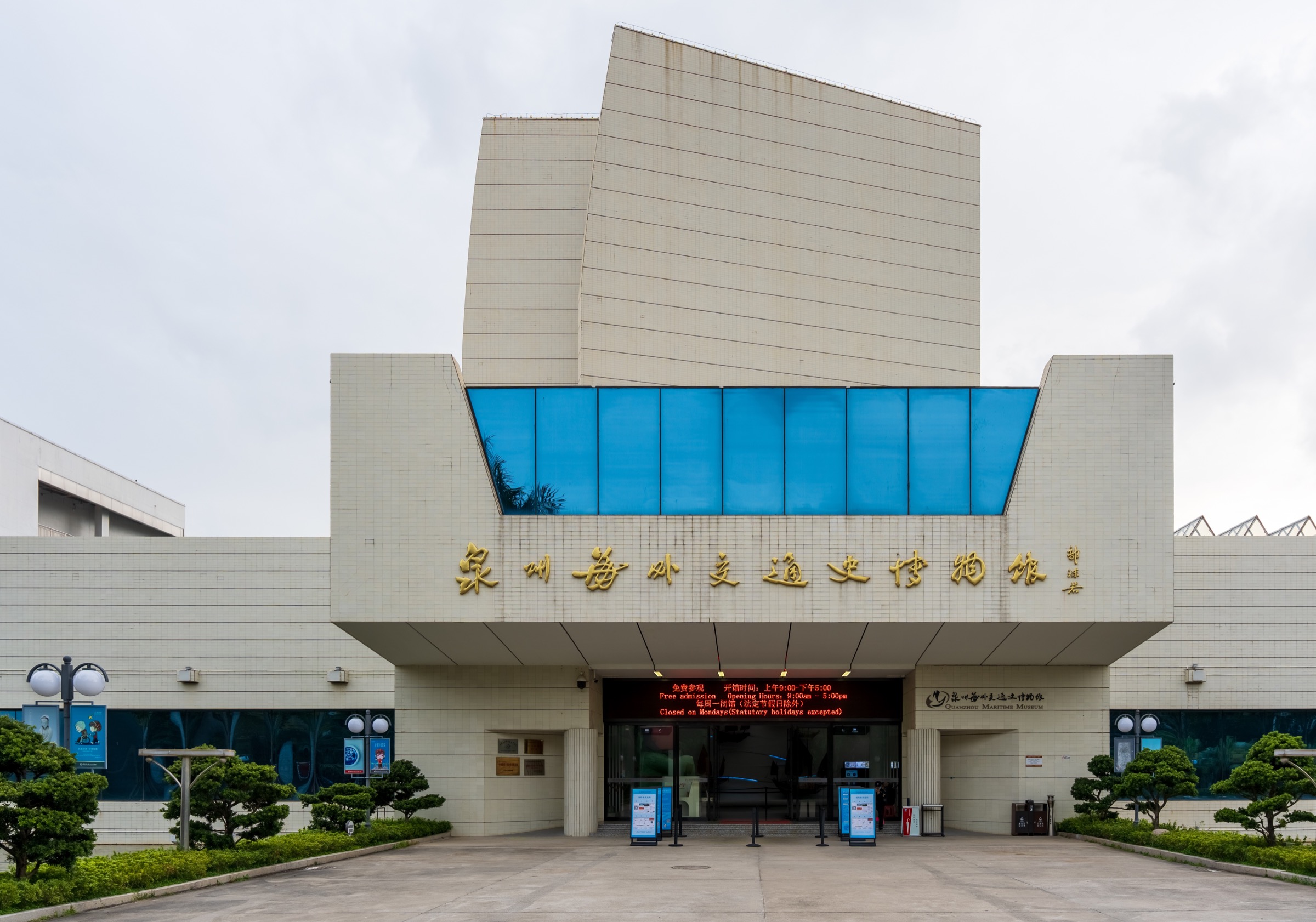
Why visit
The port story gains objects, materials and scale.
Quanzhou's monuments show where people worshipped, governed and moved. The Maritime Museum helps explain what travelled, how ships were built and how communities from different regions left inscriptions and objects behind.
For an international visitor, it is the strongest place to connect the name Zayton with the wider maritime world rather than treating the city's UNESCO title as a slogan.
What to look for
- Evidence of the Song–Yuan port and the maritime routes connected to it.
- Shipbuilding and the Quanzhou Bay ship finds.
- Religious stone inscriptions and objects linked to overseas communities.
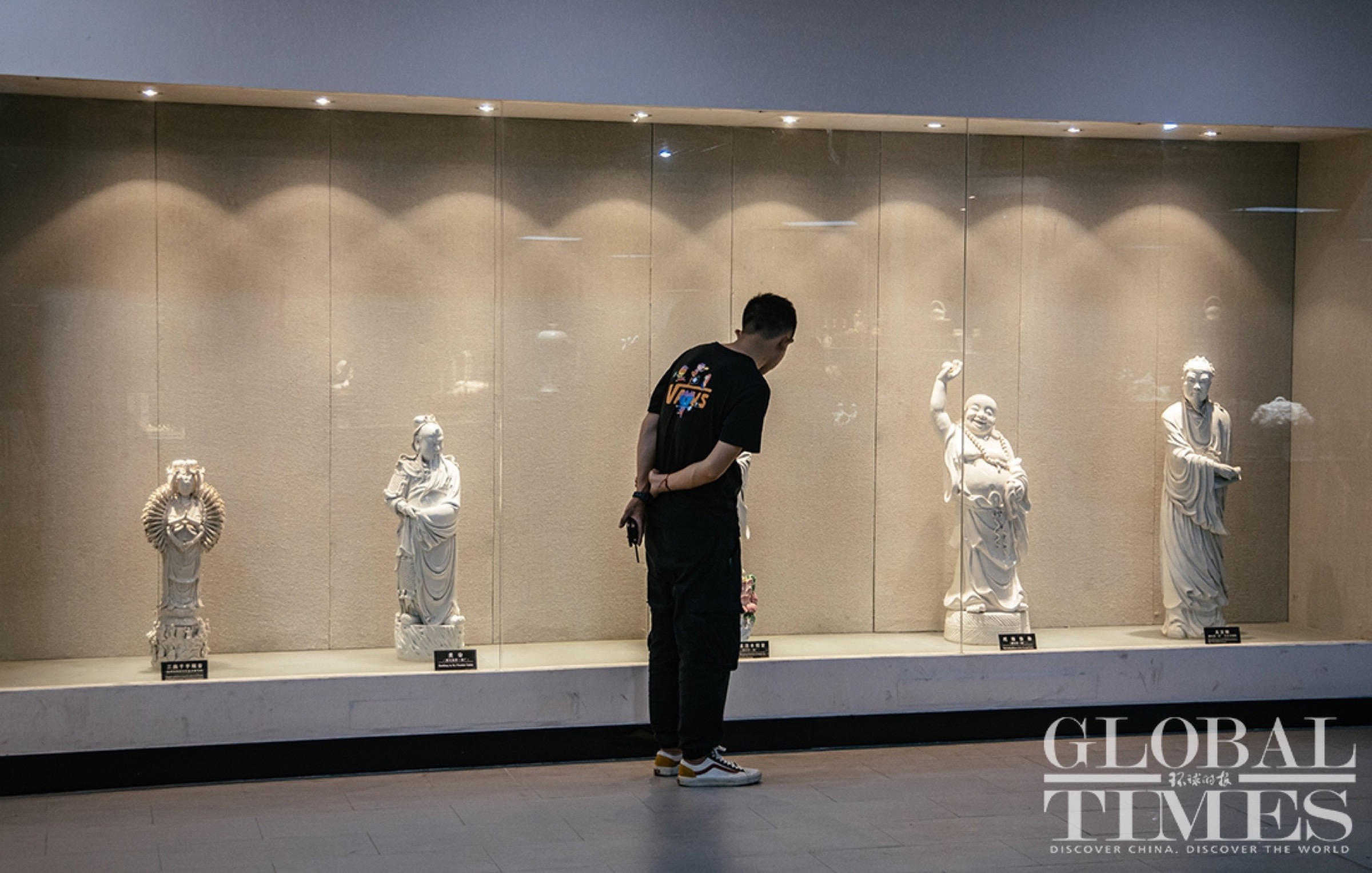
- Ceramics and traded materials that connect inland production to overseas markets.
How to use the museum
Visit after one downtown walk if possible. The streets and religious sites give the galleries a physical reference; the museum then gives those places a wider geographic and material context.
Do not confuse the two museum locations
This page describes the main Donghu Street museum site at 泉州市丰泽区东湖街425号. The Quanzhou Bay Ancient Ship Exhibition Hall is a separate museum venue inside Kaiyuan Temple. The official museum website publishes its own schedule for that hall, including a closure on the twenty-sixth day of each lunar month.