德化窑址
How did an inland mountain county become part of an ocean trading system?
Dehua's kiln landscape lies about 70 kilometres northwest of Quanzhou. Production began by the late Tang, then expanded sharply with Song–Yuan maritime trade. Surveys around the county seat have identified 29 kilns from the 10th to 14th centuries.
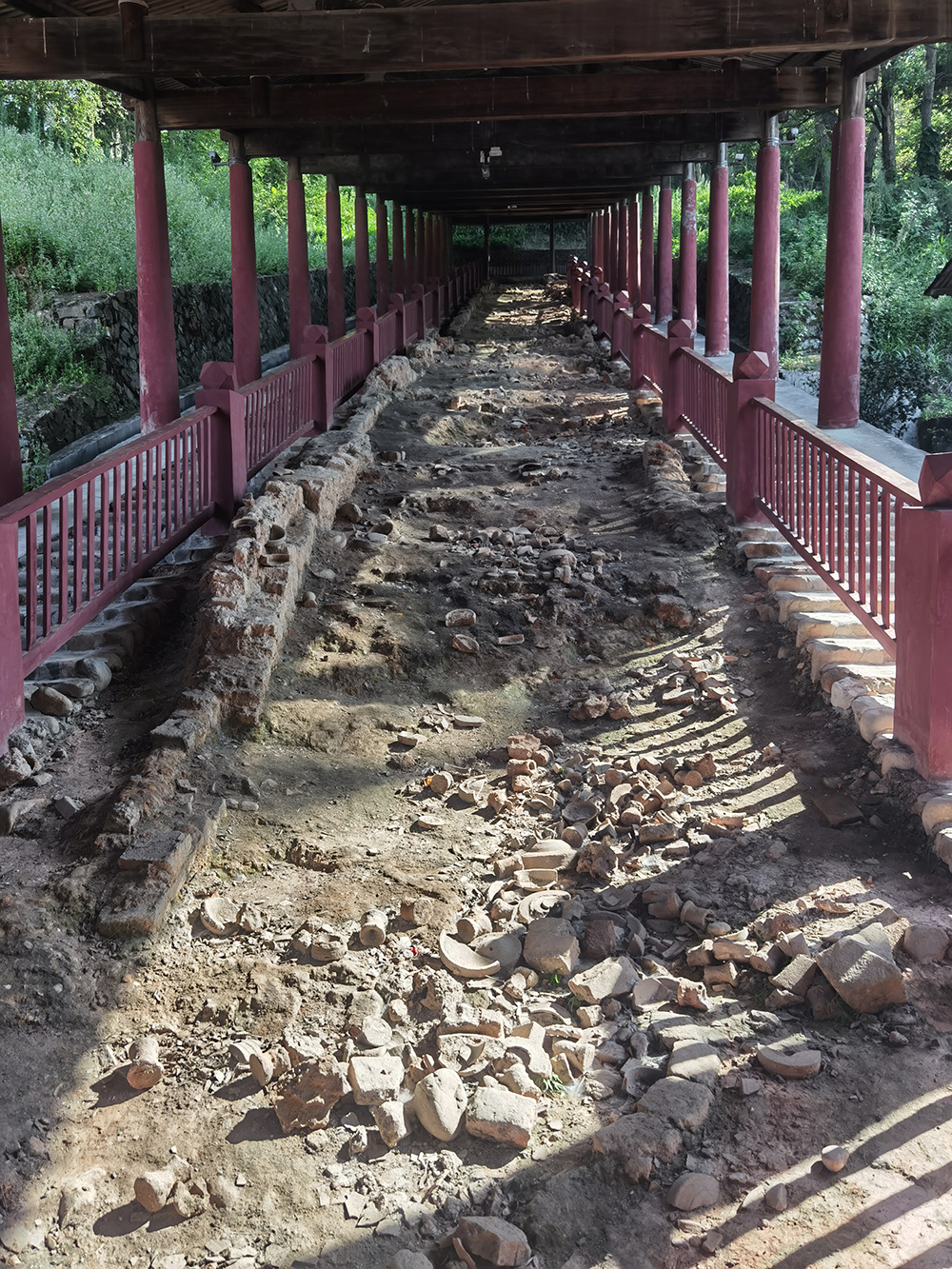
The World Heritage component includes the Weilin-Neiban complex beside Shangliao Creek and Qudougong on Pozhai Hill. Excavations at Weilin-Neiban found seven kilns, workshops and sherd dumps across roughly 12,200 square metres. Qudougong preserves a 17-chamber Yuan kiln that marks a technical transition between long dragon kilns and stepped kilns.
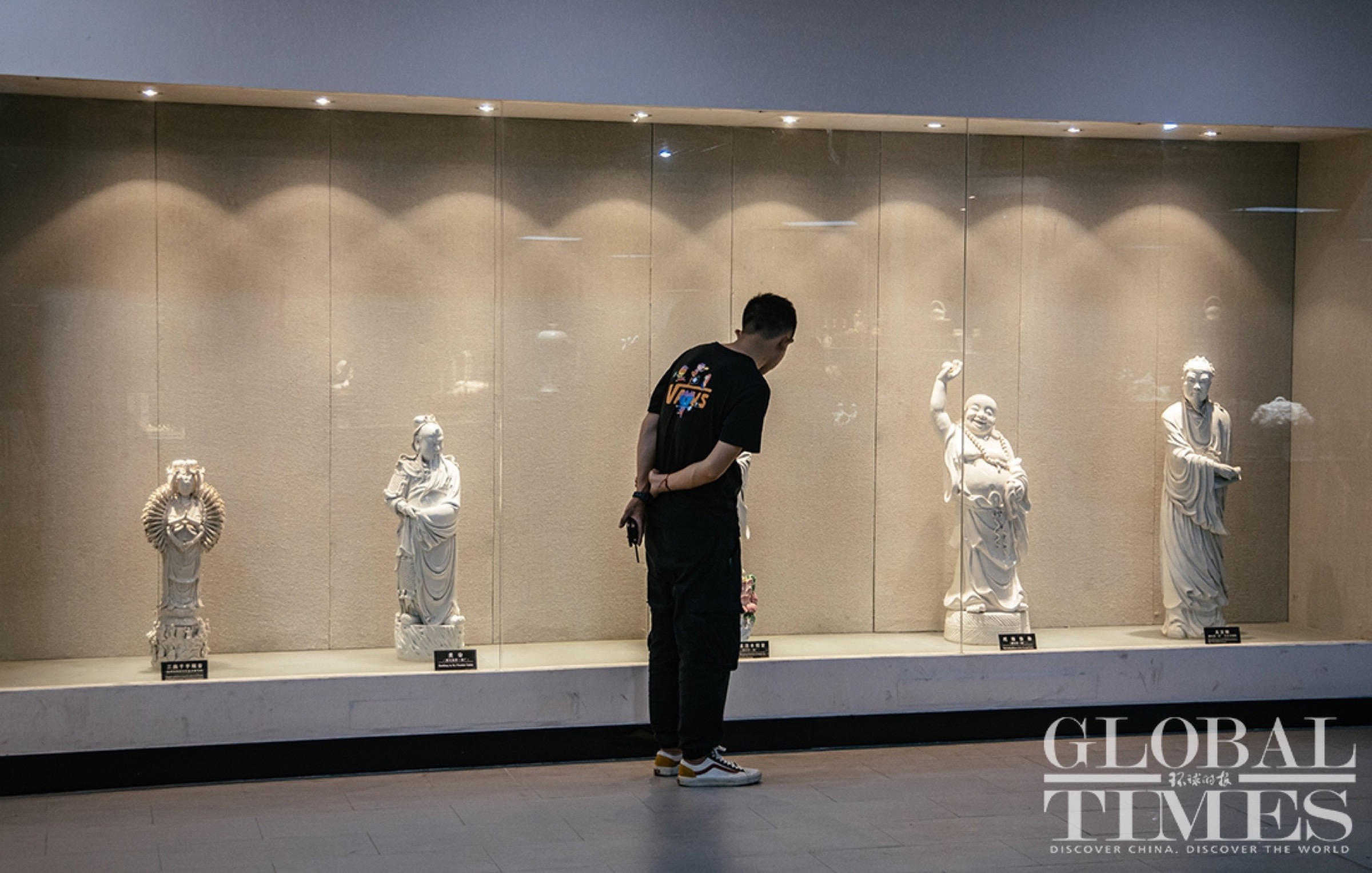
Medieval Dehua made green-white and white wares including bowls, plates, basins, kettles, bottles, boxes and kendi. Objects reached markets from East Asia to East Africa. They travelled overland to Yongchun, then downstream along a tributary of the Jin River towards Quanzhou Port, turning the county's inland location into evidence of the port's territorial reach.