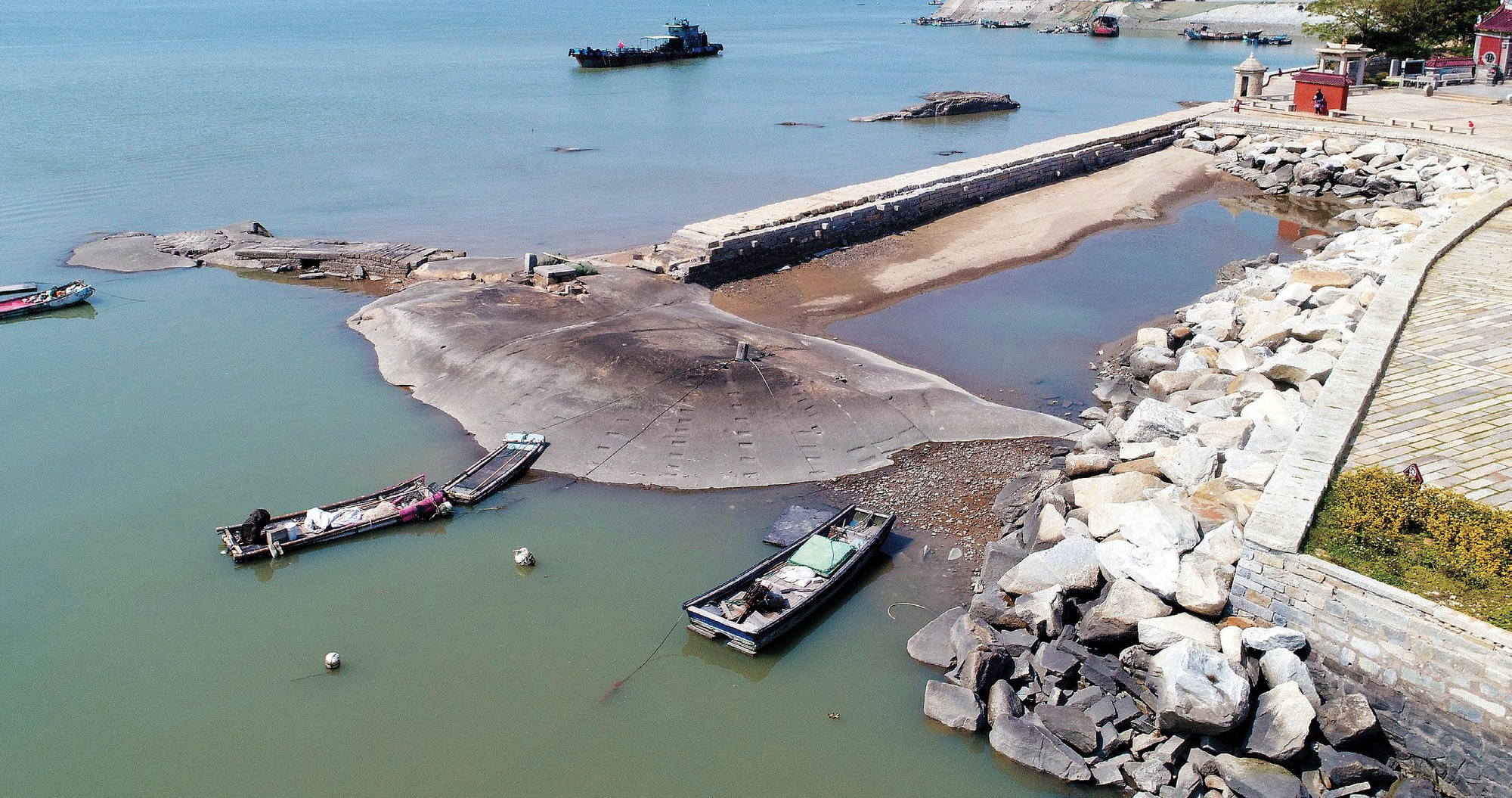
The stone remains and tidal edge of historic Shihu Dock

Coastal port site · Shishi coast

Shihu Dock

A natural reef turned working dock shows how Quanzhou adapted the outer coast before ships entered its river ports.

Chinese map name
石湖码头 Shihu Dock
Role in the port
Outer-port landing and coastal transfer
Historic period
Early landing tradition; Song jetty built 1086–1094
Time on site
Allow 45–75 minutes

石湖码头

How did the outer coast prepare ships and cargo for the inner port?

Shihu Dock lies on the western side of Shihu Peninsula, about 17 kilometres south of central Quanzhou. Its position in the outer port connected Quanzhou Bay's principal shipping route with the river docks and city farther inland.

The dock combines natural reefs with Tongji Jetty. Historical accounts associate an early landing here with the eighth-century maritime merchant Lin Luan, who used a natural reef as an anchoring point. During the Northern Song Yuanyou reign, 1086–1094, official Fu Jin added a jetty linking the shore and reef.

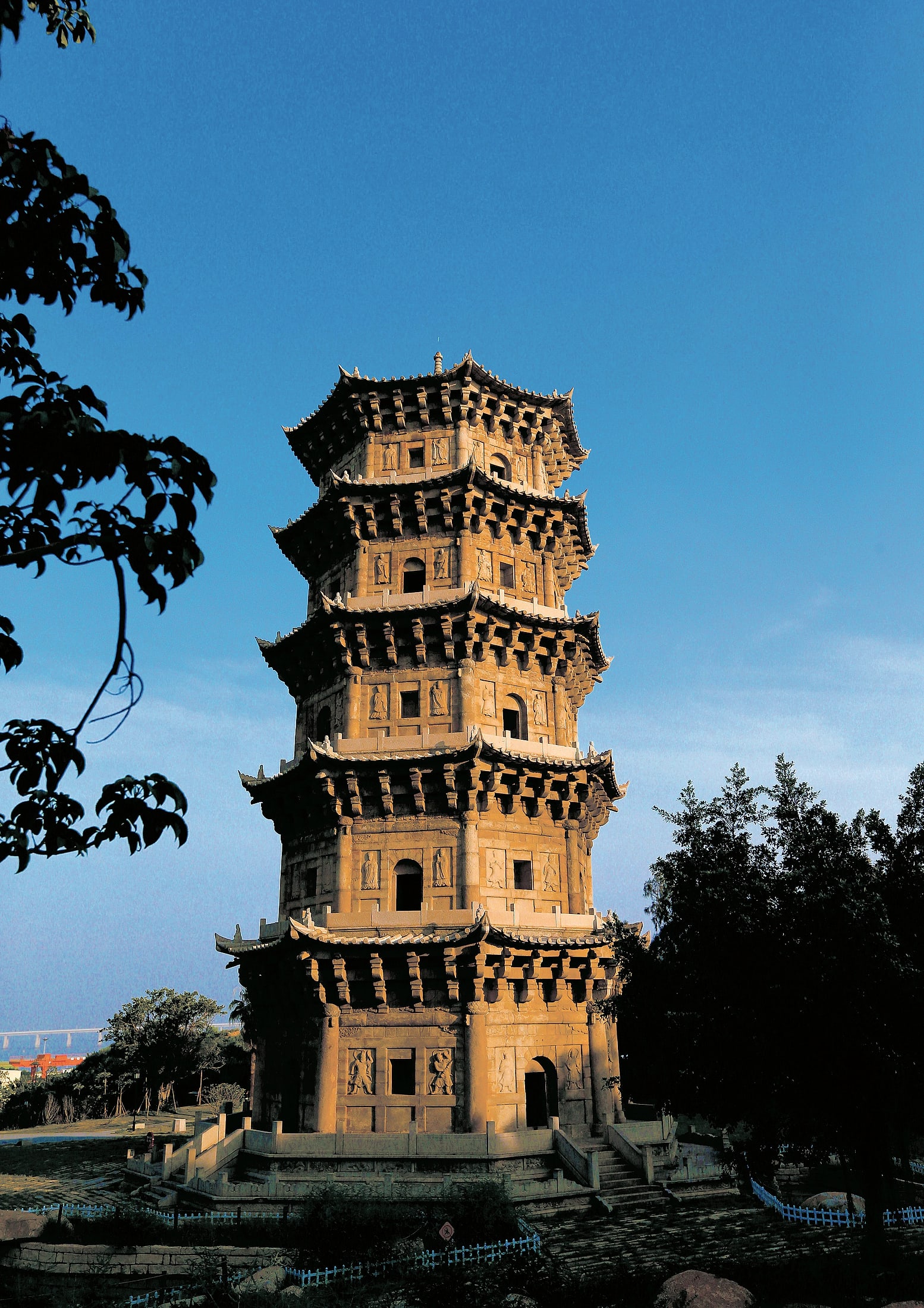
The site therefore records adaptation over time rather than one monumental construction campaign. Rock, tide and built access worked together. Liusheng Pagoda above the same port supplied a visible route marker, making dock and tower two parts of one coastal navigation landscape.
On site

What to look for

The site becomes more legible when you know which physical clues carry its larger story.

Start with the whole setting, then move closer. Architecture, archaeology and landscape often reveal different parts of the same argument.

Liusheng Pagoda above Shihu Port near the historic dock

01

Natural reef versus built jetty

Identify where geological form ends and laid stone begins. The dock's ingenuity lies in using existing coastal structure rather than replacing it.

02

The shore-to-reef connection

Tongji Jetty made the anchoring point accessible from land. Read it as a transfer path for people and goods, not simply a promenade.

03

Tidal exposure

Different water levels reveal or conceal working surfaces. The changing edge helps explain how docking was timed and why the site remains vulnerable.

04

Liusheng Pagoda in the wider view

Look for the relationship between dock, hill and navigation channel. The pagoda's visibility makes more sense from the working coast than from a close-up view alone.

The stone remains and tidal edge of historic Shihu Dock

Read the port system

The outer dock linked ocean routes to Quanzhou's inner-port chain

Incoming ships did not move directly from open sea to the city centre. Shihu formed an outer transfer point, while estuary and river docks served different depths and stages of movement closer to the old city.

The site's long history also warns against assigning every element to a single era. The early merchant tradition, Song jetty, later repairs and present access works must be dated separately if the dock is to remain credible evidence.

See all 22 component sites

Research lens

What scholarship adds to the visit

Shihu Dock moves the visitor from inner river ports to the outer bay, where natural reefs and built stonework created a practical transfer point on the sea route.

01

Builders adapted a natural reef

The nomination traces the dock from an early landing associated with merchant Lin Luan to later Song improvements. Its form shows incremental adaptation rather than one grand construction campaign.

Read the source

Quanzhou World Heritage nomination dossier (2020)

02

Outer and inner ports formed one chain

Pearson, Li and Li reconstruct Quanzhou as a sequence of bay, docks, river routes and city. Shihu's value becomes clear when paired with Liusheng Pagoda and the Estuary Docks.

Read the source

Richard Pearson, Li Min and Li Guo, ‘Quanzhou Archaeology: A Brief Review’ (2002)

03

Tidal setting is both evidence and risk

ICOMOS singles out Shihu and the Estuary Docks as vulnerable to climate and storm effects. The active coastal environment that explains the site also makes its conservation difficult.

Read the source

ICOMOS evaluation of the revised Quanzhou nomination (2021)

Plan the visit

Make the time on site count

These are planning decisions, not fixed opening-hour claims. Recheck access and transport shortly before travel.

01

Go with the tide in mind

A tide forecast can improve interpretation, but do not enter exposed reef areas unless they are clearly open and safe. Conditions change quickly on the coast.

02

Wear shoes for wet stone

Salt spray, algae and uneven surfaces make grip more important than appearance. Keep back from unprotected edges in wind or rain.

03

Combine it with Liusheng Pagoda

The two sites belong to the same Shihu Port story and are far more useful together than as isolated photo stops.

04

Arrange coastal transport

Save 石湖码头 and 六胜塔 separately. A car is the simplest way to connect the dock, pagoda and other Shishi sites without losing time between pins.

Connect the place

Follow the approach through Shihu Port

Begin at Liusheng Pagoda for the bay-wide route, then descend to Shihu Dock for the transfer point. Add Wanshou Pagoda only if you have enough daylight and private transport.