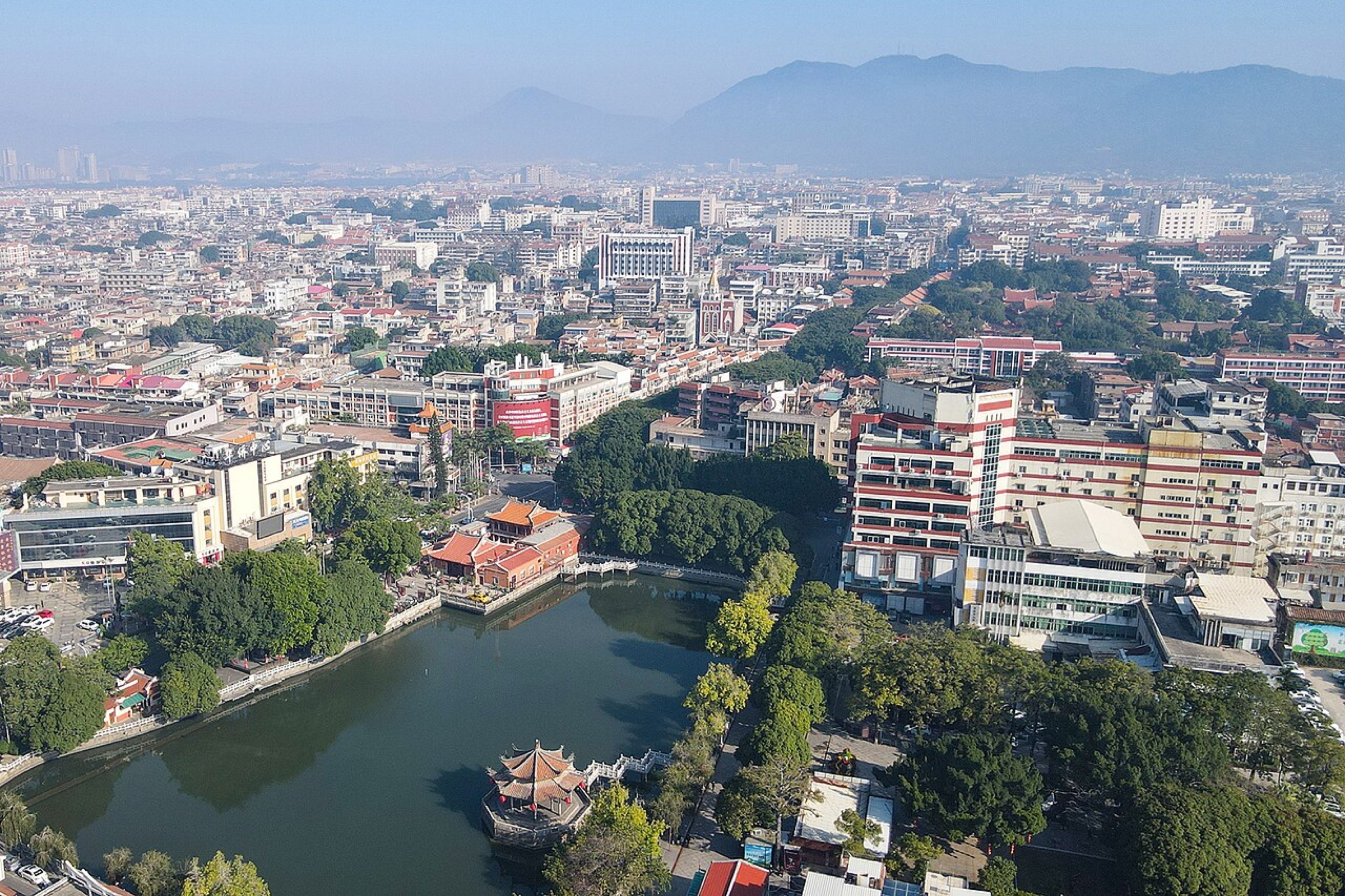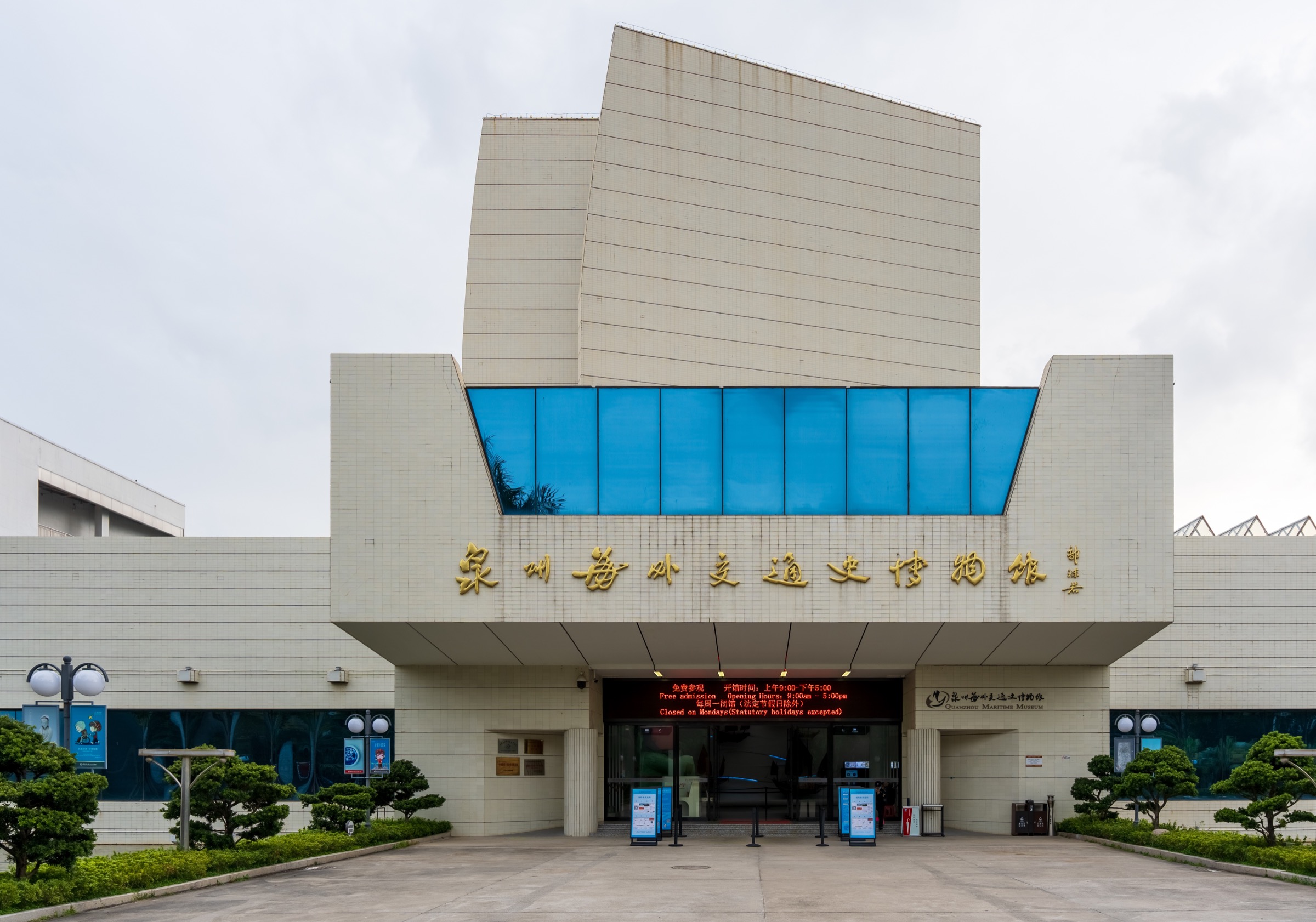
Exterior of Quanzhou Maritime Museum, which holds evidence of foreign communities

Medieval travel account · Odoric of Pordenone

Odoric and Quanzhou's Franciscan world

A Franciscan traveller's brief notice opens a less familiar window onto Quanzhou: Latin Christian institutions within a much wider religious port city.

Voice
Odoric of Pordenone
Date
Early 14th century
Name used
Zayton
Read for
Franciscan presence
Exterior of Quanzhou Maritime Museum, which holds evidence of foreign communities

A short line from the source

“a noble city called Zayton”

Public-domain English translation in Cathay and the Way Thither. Medieval religious terminology in the full account reflects Odoric's own worldview and is not neutral description.

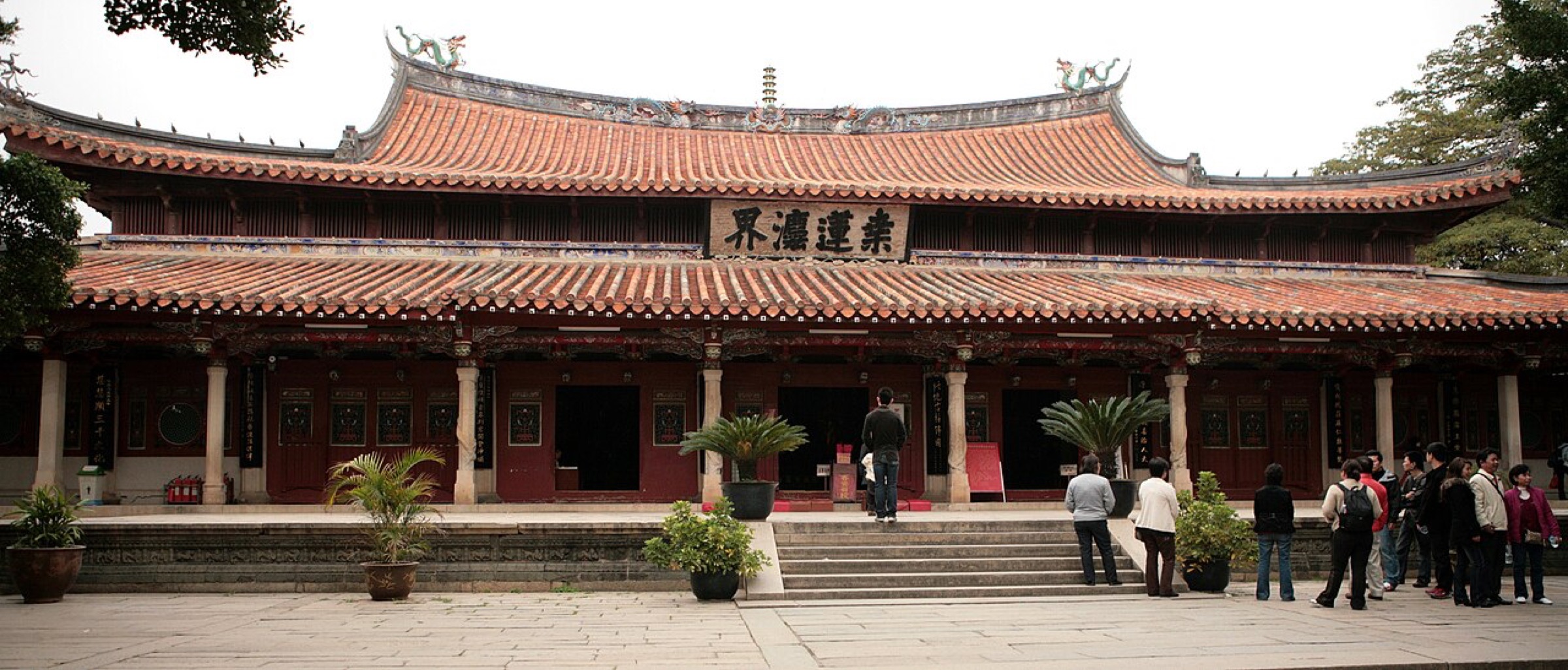
A street in Quanzhou historic downtown, where several religious traditions remain visible

Source discipline

Read the account carefully

01

Religious language is positional

Odoric writes as a missionary. His labels for other beliefs reveal Latin Christian categories as much as they describe the people he encountered.

02

Texts disagree on institutional detail

Recent scholarship considers the Franciscan presence secure but notes conflicting reports about whether Zayton had two or three houses.

03

No surviving church completes the picture

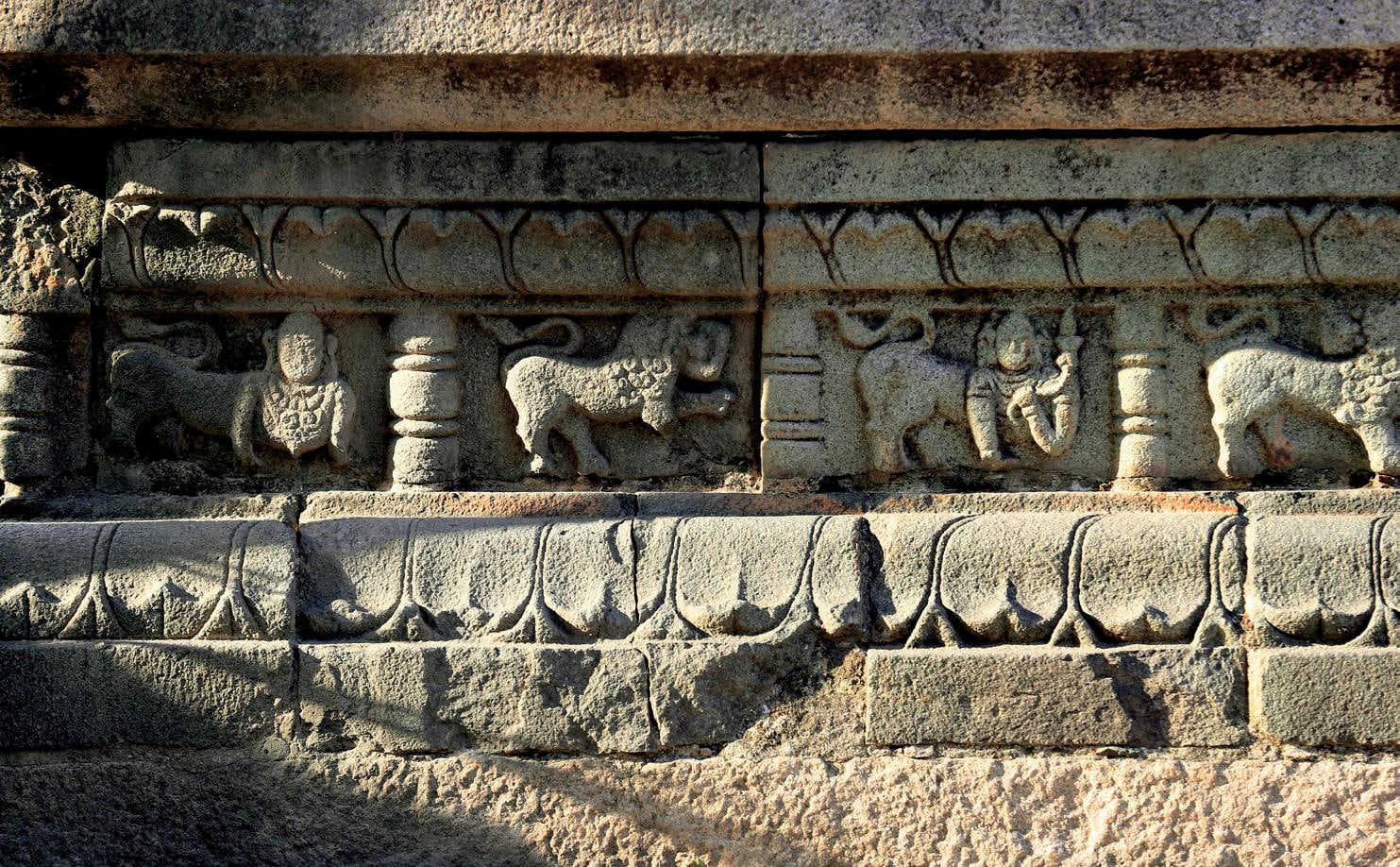
The modern visitor must combine travel writing, tombstones, museum collections and comparative sites rather than expect one intact Franciscan monument.

What this changes on a visit

Read the source in three real places

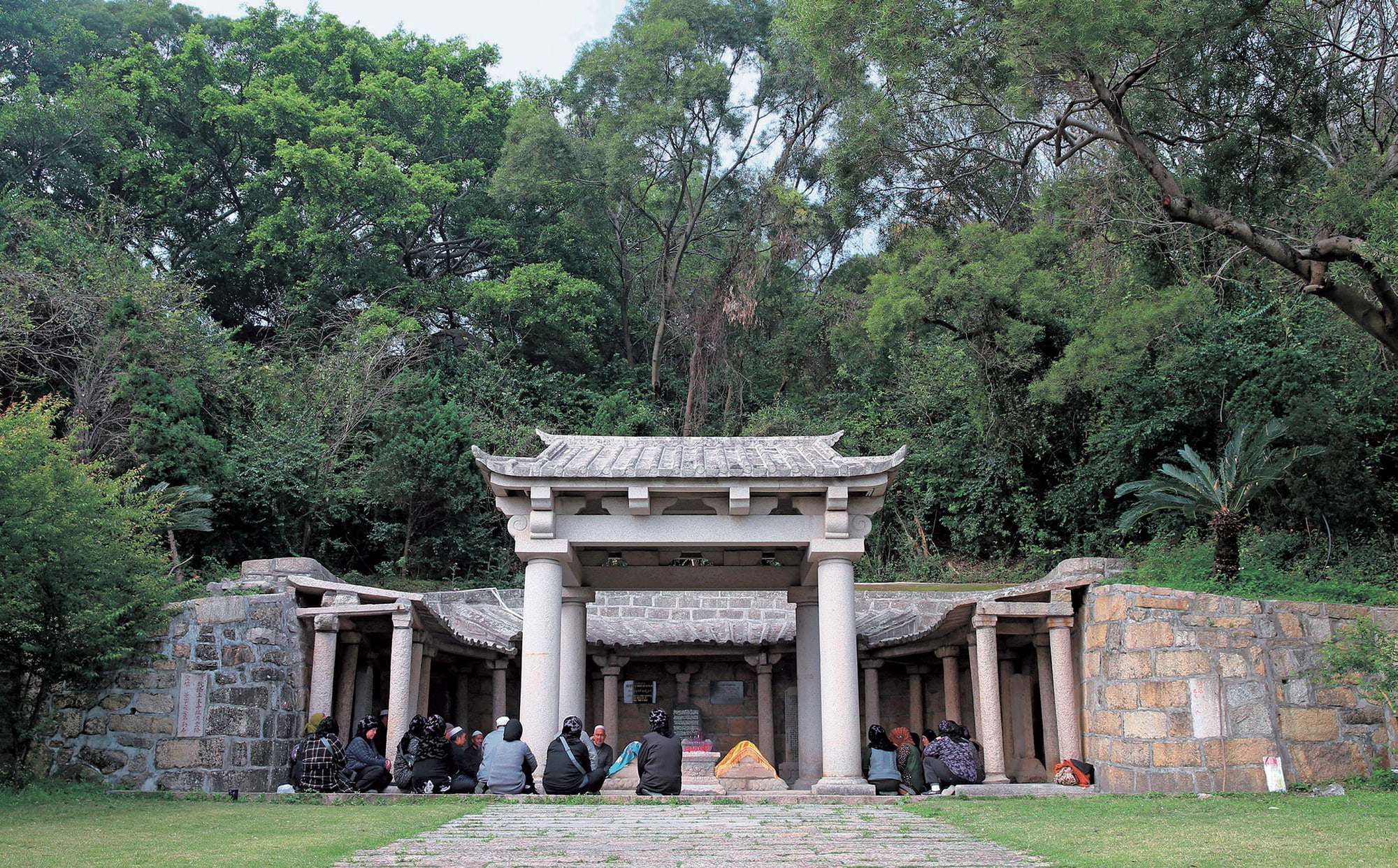
Approach Christian Zayton through material traces, then place them beside the city's surviving Buddhist, Islamic and popular-religion sites.

Continue the series

Compare another voice or method

The differences between accounts are part of the evidence. Move from a traveller's priorities to a historian's reconstruction, or compare two forms of outside observation.