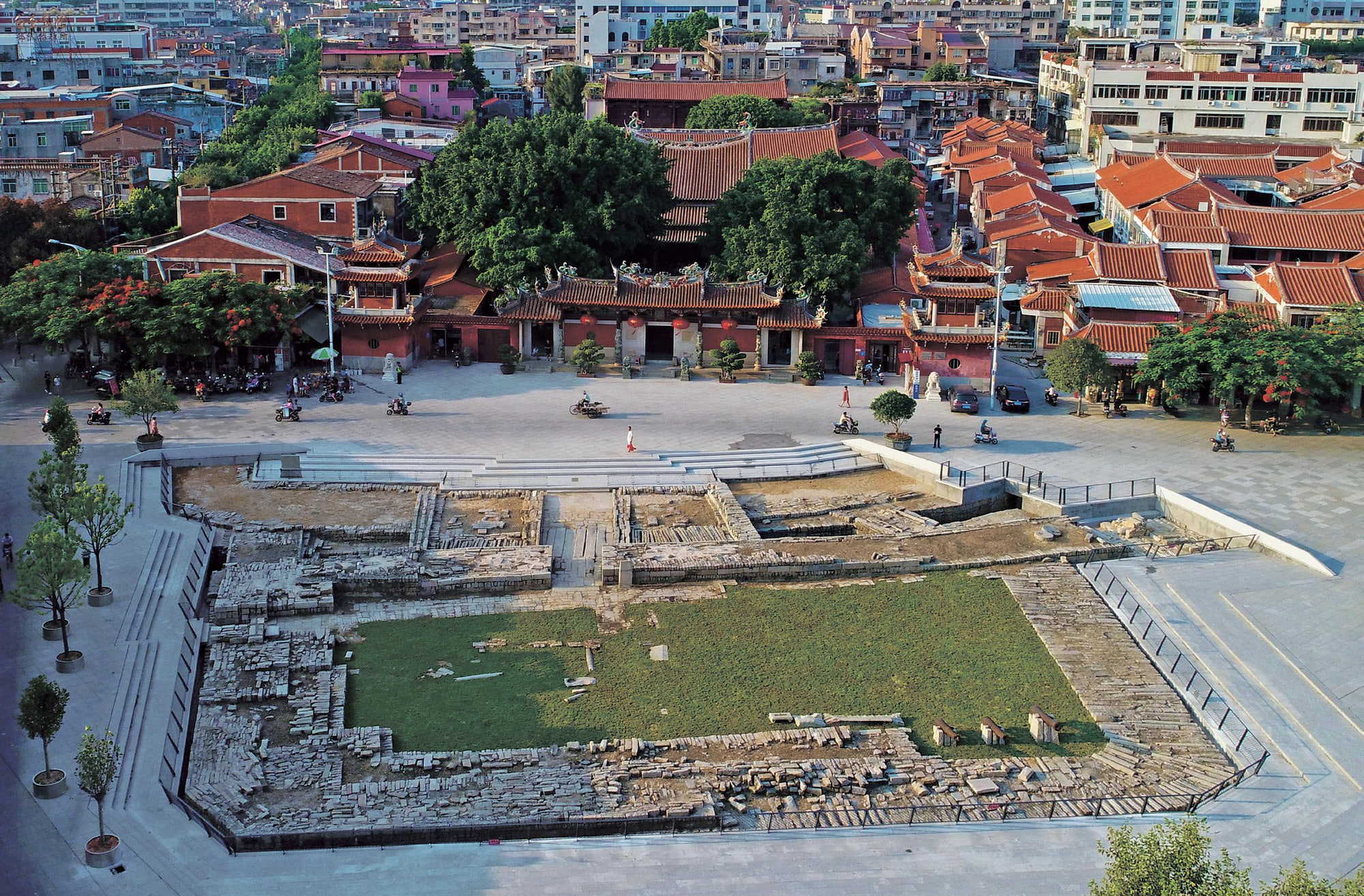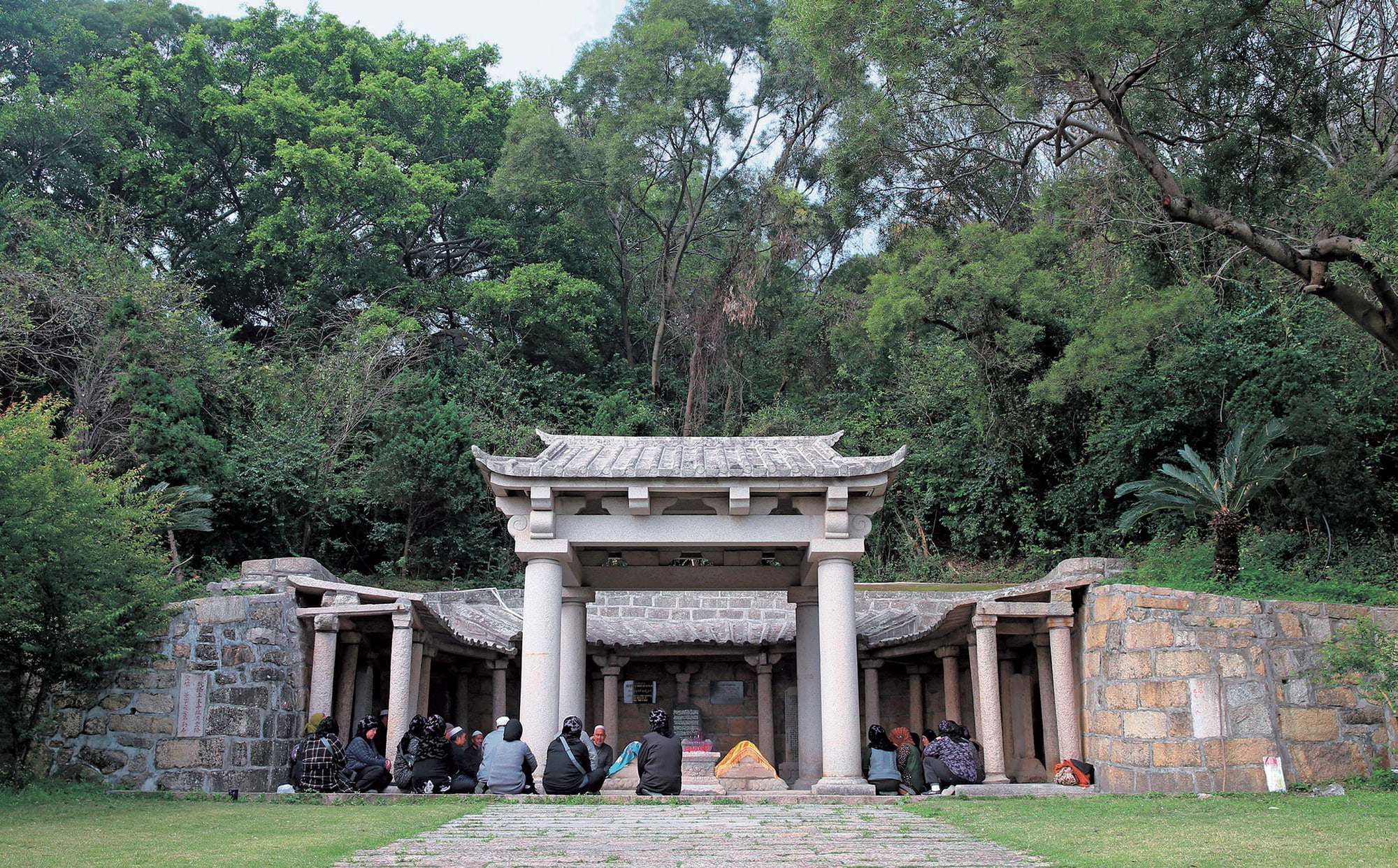
Historic Islamic tombs in Quanzhou

Modern scholarship · John W. Chaffee

A Muslim community in motion

Chaffee replaces a static image of a foreign merchant colony with a community that changed across centuries of trade, migration, policy and local integration.

Voice
John W. Chaffee
Date
Research published 2006
Geographic focus
Song-Yuan maritime communities
Read for
Diaspora and integration
Historic Islamic tombs in Quanzhou

Research takeaway

Belonging in medieval Quanzhou was layered: local integration and maritime connection could grow together.

Inside Quanzhou's plain-English synthesis of Chaffee's argument. It is not a quotation from the author.

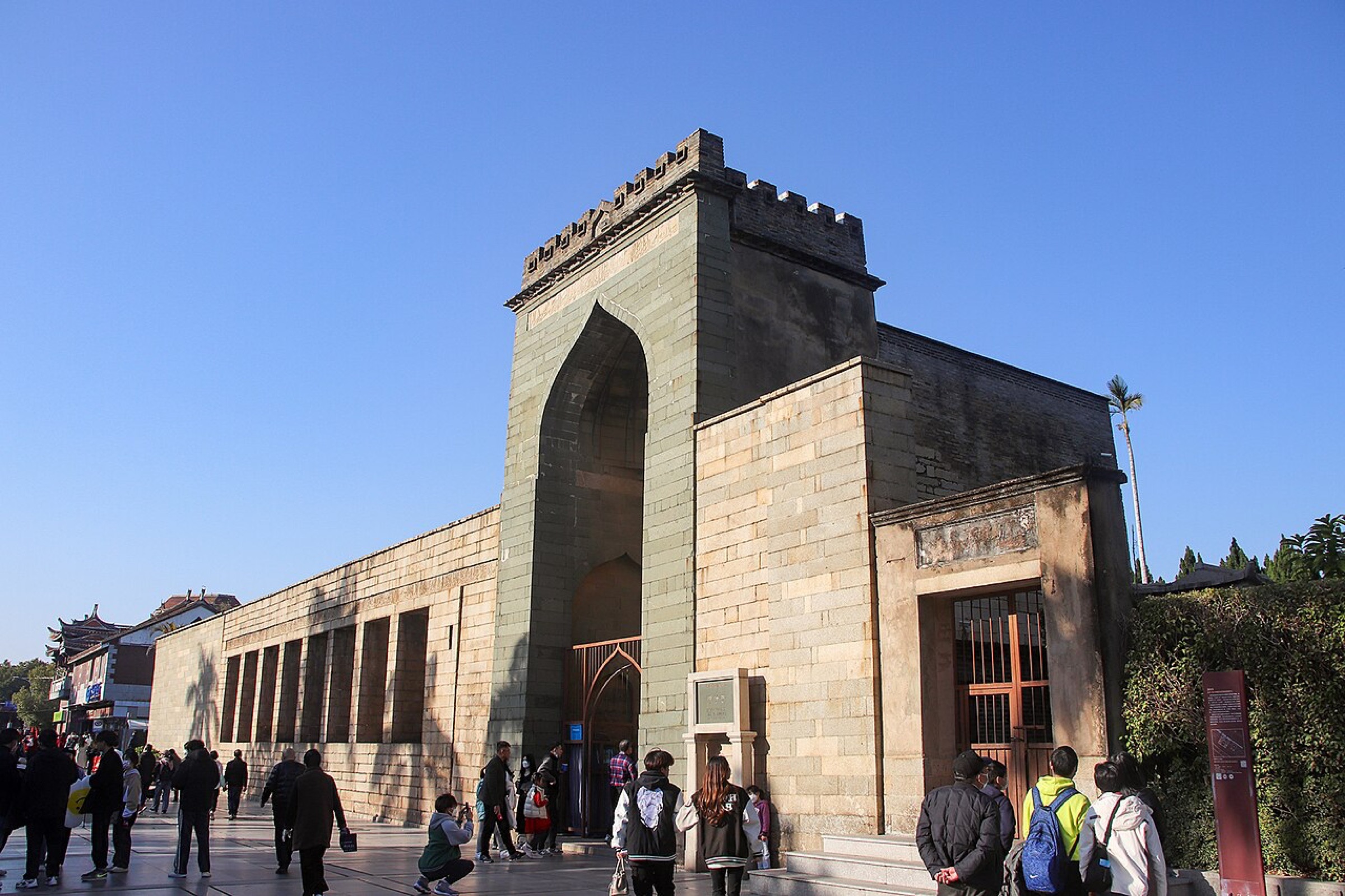
Qingjing Mosque, rebuilt across several periods of Quanzhou's history

Source discipline

What the study does and does not prove

01

The article covers several ports

Quanzhou is crucial, but the periodisation concerns maritime Muslim communities across southeastern China. Not every claim is unique to one city.

02

Elite evidence is more visible

Inscriptions, official records and genealogies often preserve wealthy families better than sailors, artisans, women or temporary residents.

03

Identity is an analytical reconstruction

Terms such as diaspora and Sino-Muslim help explain patterns; they should not be treated as labels every historical person would have used for themselves.

What this changes on a visit

Read the source in three real places

Look for evidence of duration: rebuilding, burial, family memory and institutions reveal a community that stayed and changed.

Continue the series

Compare another voice or method

The differences between accounts are part of the evidence. Move from a traveller's priorities to a historian's reconstruction, or compare two forms of outside observation.