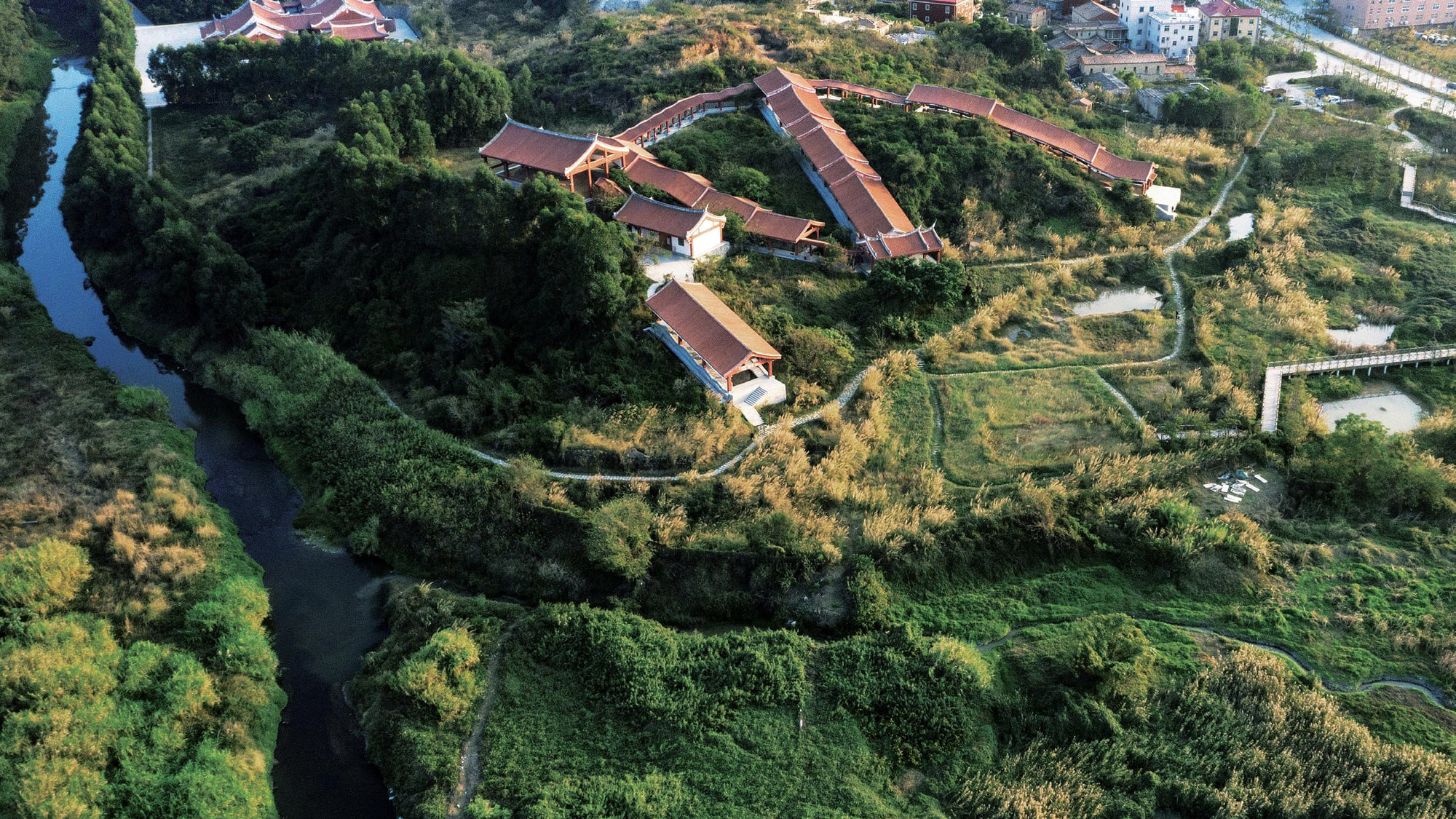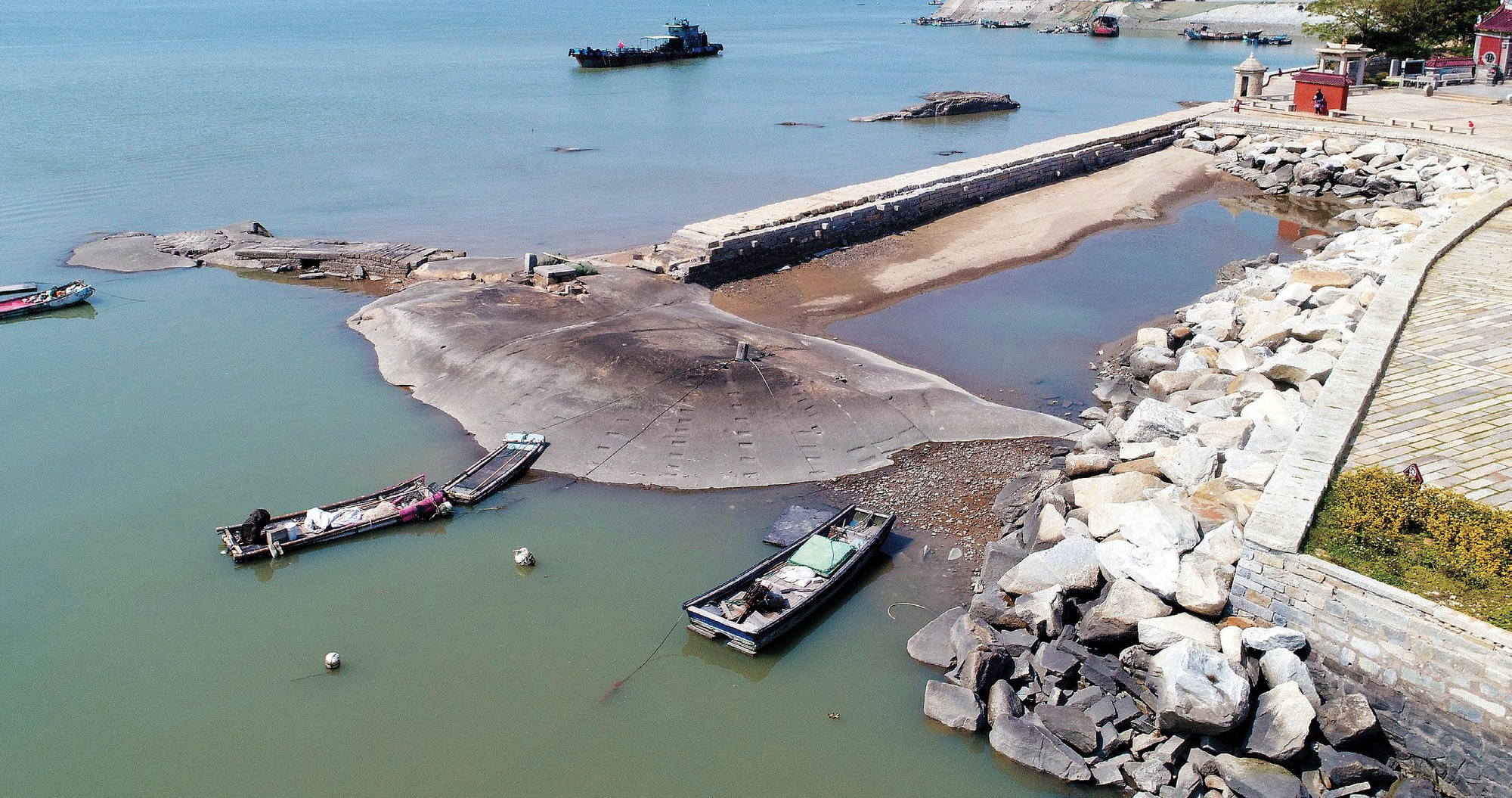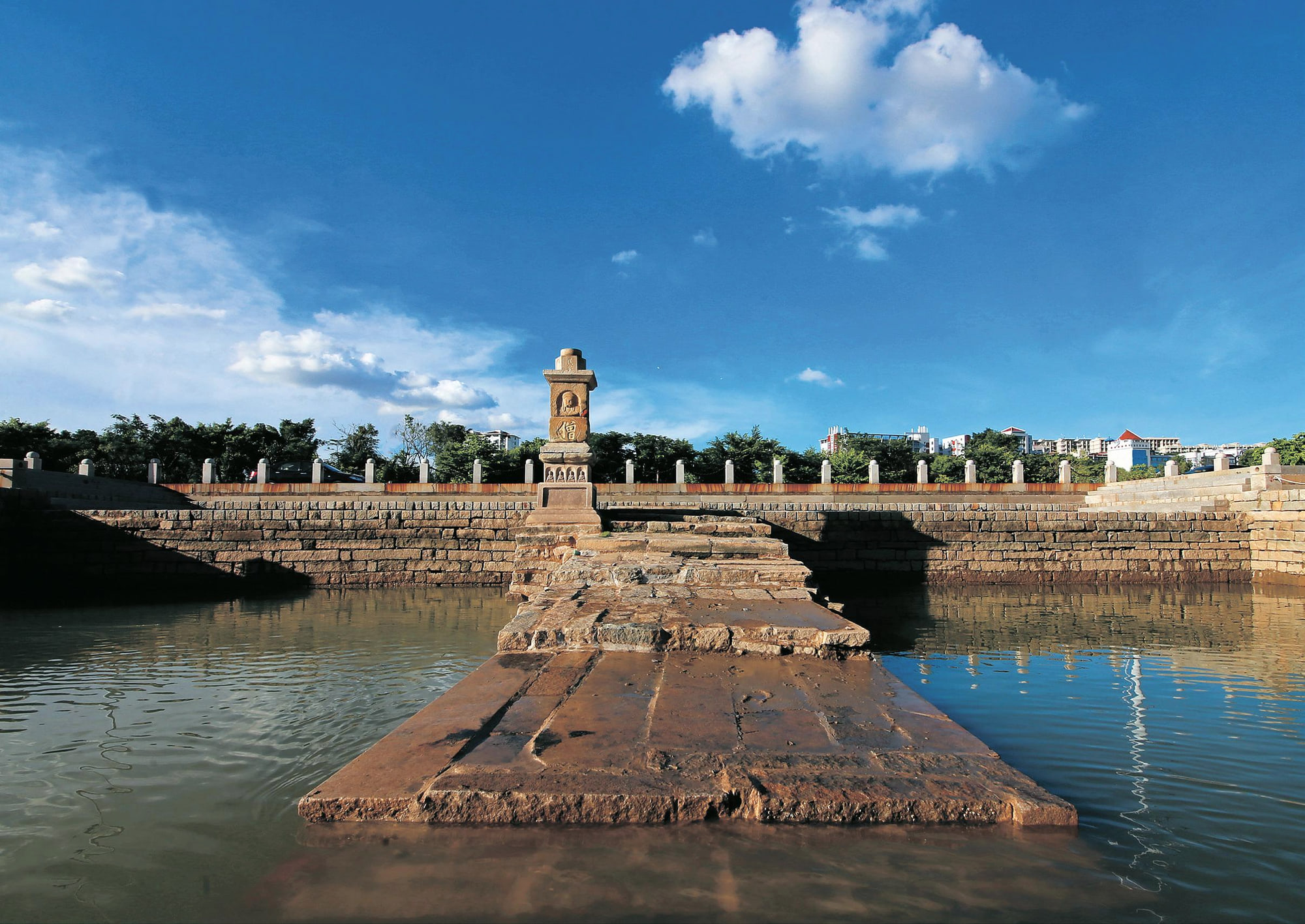
The estuary landscape associated with Quanzhou's historic port system

Medieval travel account · Marco Polo

Marco Polo's Zayton

A compact portrait of a port defined by ships from India, high-value cargo and the fiscal power of maritime trade.

Voice
Marco Polo
Date
Late 13th century
Name used
Zayton
Read for
Port scale and commerce
The estuary landscape associated with Quanzhou's historic port system

A short line from the source

“one of the two greatest havens in the world for commerce”

Henry Yule's public-domain English translation, Chapter LXXXII. The phrase is a traveller's superlative, not a modern statistical ranking.

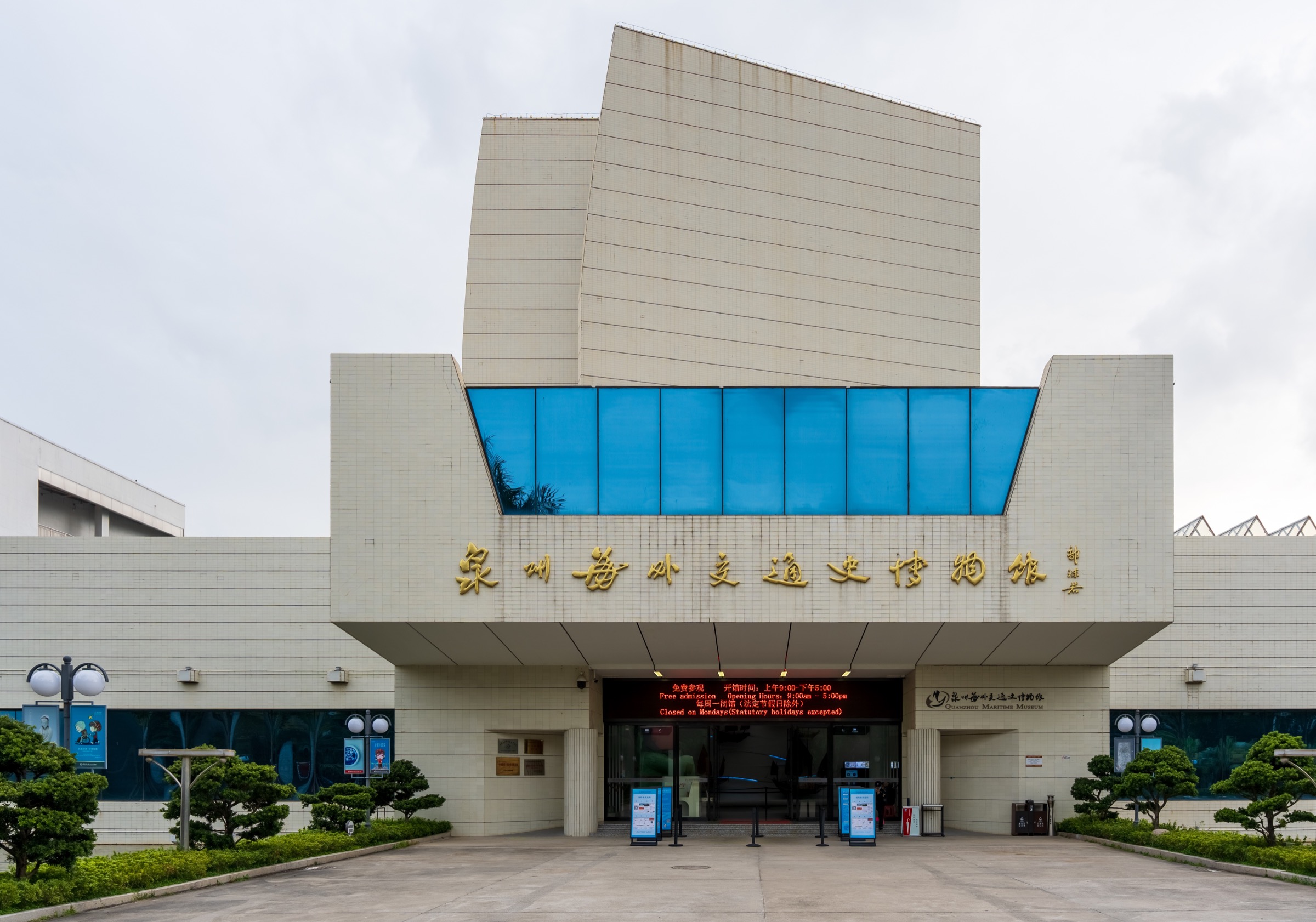
Quanzhou Maritime Museum, where texts can be compared with archaeological evidence

Source discipline

Read the account carefully

01

The book is a mediated text

Marco's narrative was shaped with Rustichello of Pisa and survives in differing manuscripts. Observation, remembered information and literary convention are not always easy to separate.

02

Superlatives are not measurements

Claims about the world's greatest ports and enormous quantities establish importance, but they cannot be checked like modern trade statistics.

03

Zayton is a historical name

The identification with Quanzhou is well established in current heritage and historical literature, although older scholarship debated details of names and itineraries.

What this changes on a visit

Read the source in three real places

Use Polo's commercial lens to connect the visible city with the harbour, production and transport system behind it.

Continue the series

Compare another voice or method

The differences between accounts are part of the evidence. Move from a traveller's priorities to a historian's reconstruction, or compare two forms of outside observation.