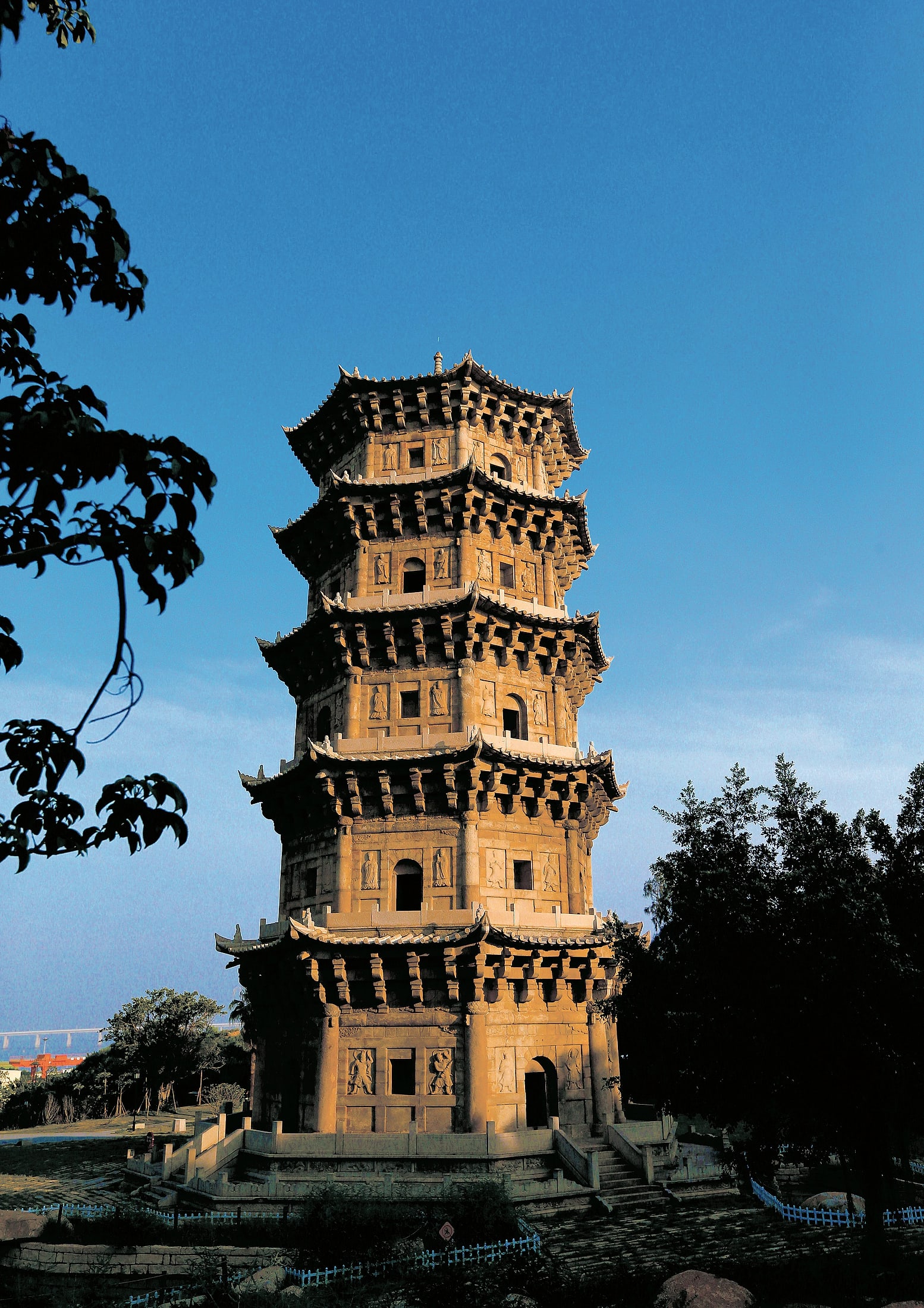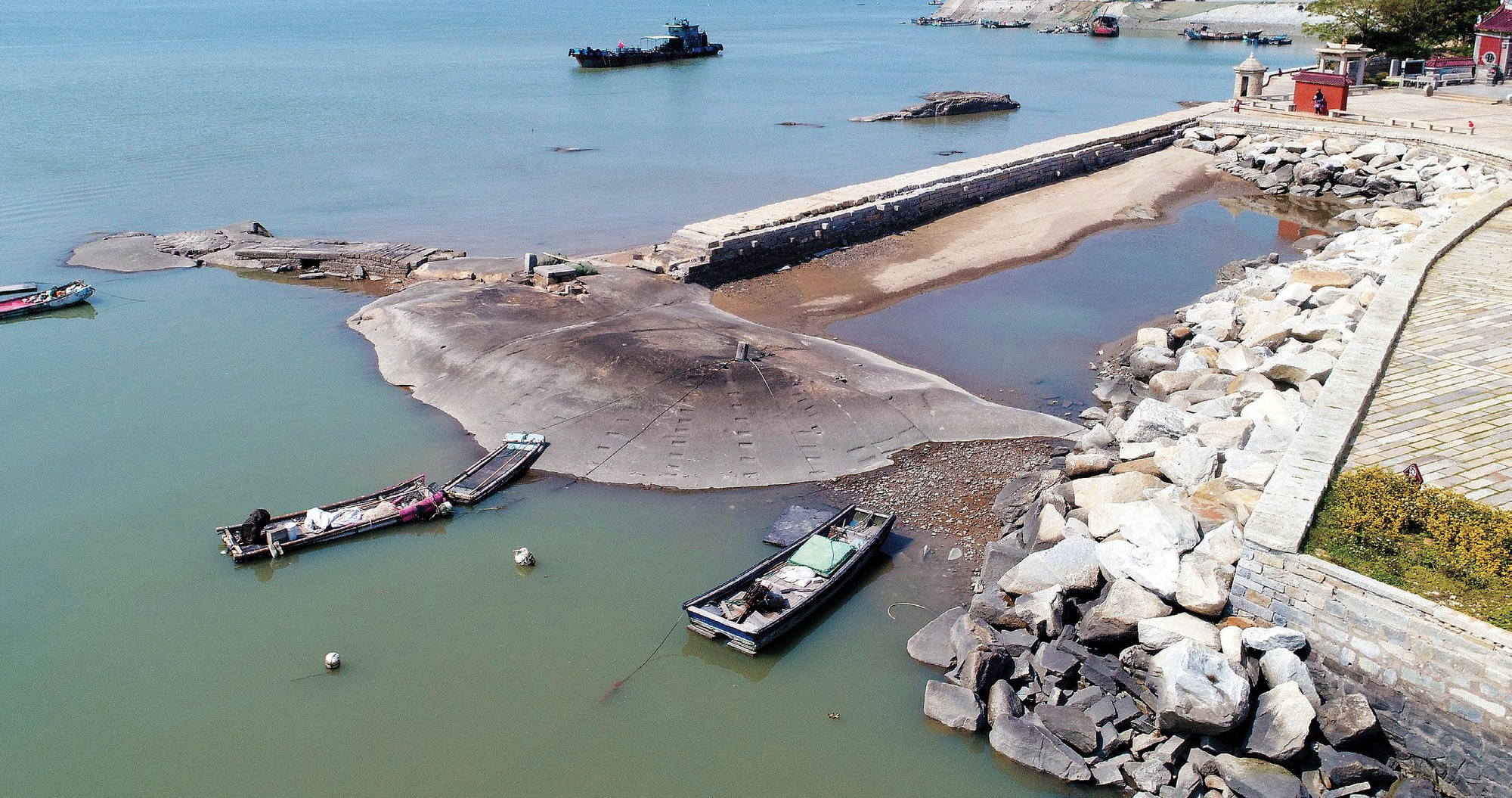
Historic stonework at Shihu Dock on Quanzhou Bay

Medieval travel account · Ibn Battuta

Ibn Battuta arrives at Zaytun

The Moroccan traveller enters China through a harbour crowded with large junks and reads the city through ships, textiles and familiar Muslim connections.

Voice
Ibn Battuta
Date
Mid-14th century
Name used
Zaytun / Zaitun
Read for
Ships, textiles and diaspora
Historic stonework at Shihu Dock on Quanzhou Bay

A short line from the source

“I have seen there about one hundred first-class junks together”

Public-domain translation reproduced in Cathay and the Way Thither. The number conveys perceived scale and should not be treated as a harbour census.

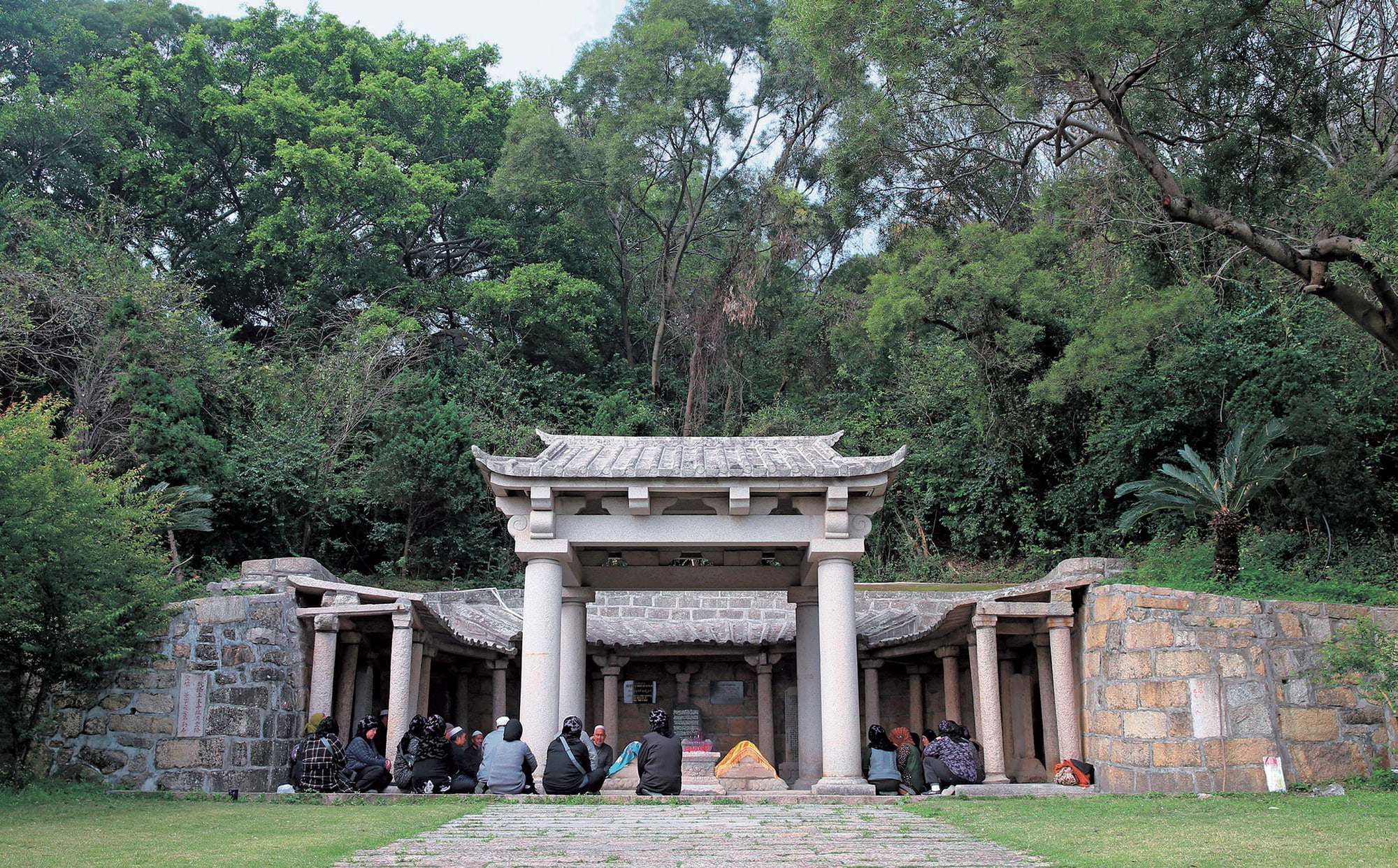
Historic Islamic tombs that provide material evidence of a resident community in Quanzhou

Source discipline

Read the account carefully

01

The Rihla was composed later

Ibn Battuta dictated his travels to Ibn Juzayy after returning to Morocco. Memory, editing and the conventions of travel literature shaped the final text.

02

Parts of the China itinerary are debated

Scholars have questioned how far he travelled within China. It is safer to distinguish the Zaytun description from every claim made about the later route.

03

A traveller sees through his own networks

His attention to Muslim contacts is unusually valuable, but it does not describe every community or the whole social life of the city.

What this changes on a visit

Read the source in three real places

Follow the account from harbour scale to the institutions and communities that made foreign trade possible.

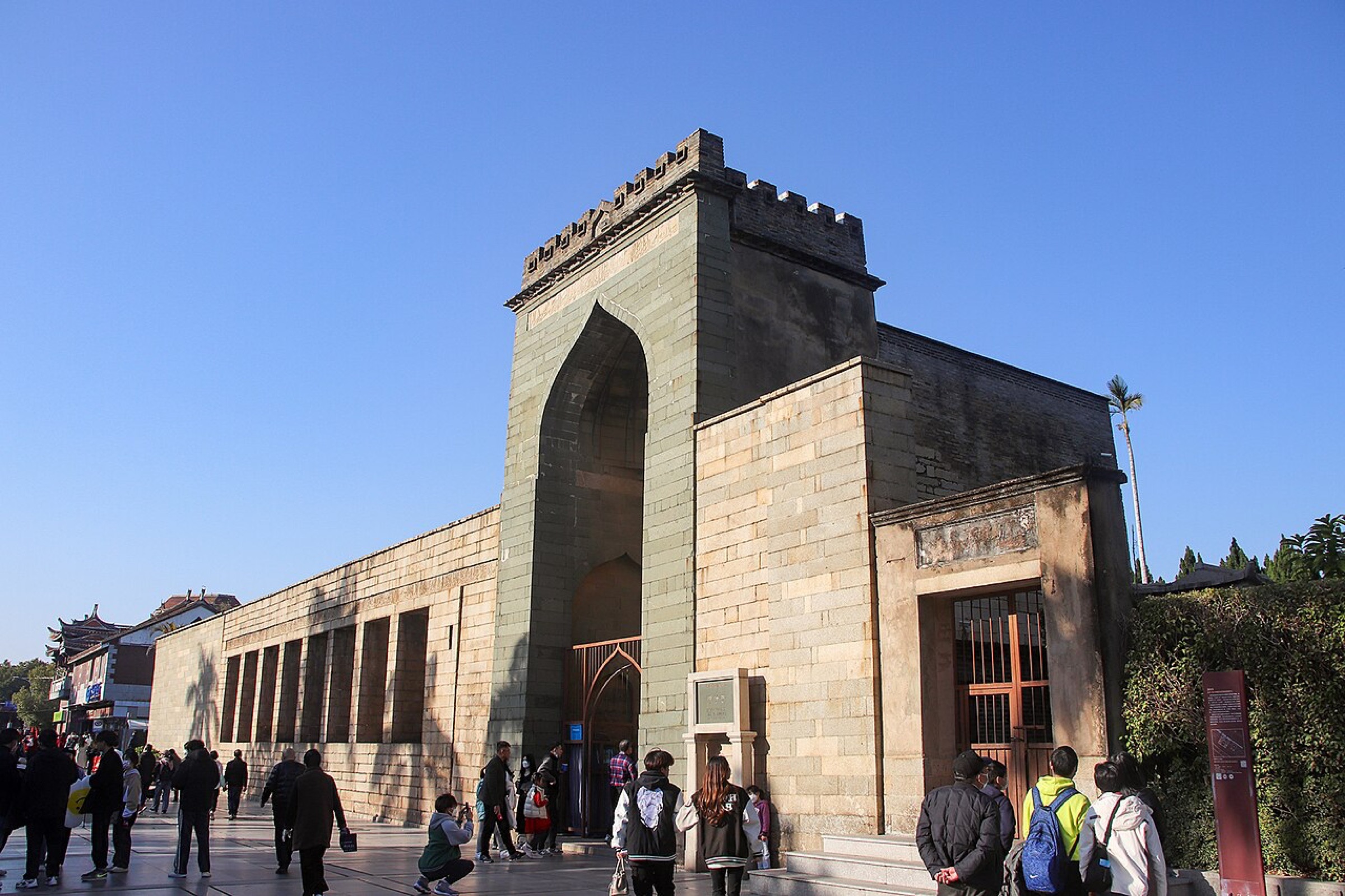
Qingjing Mosque in Quanzhou

Qingjing Mosque

Connect the traveller's Muslim networks with one of the city's most legible surviving institutions of foreign religious life.

Plan a visit

Continue the series

Compare another voice or method

The differences between accounts are part of the evidence. Move from a traveller's priorities to a historian's reconstruction, or compare two forms of outside observation.