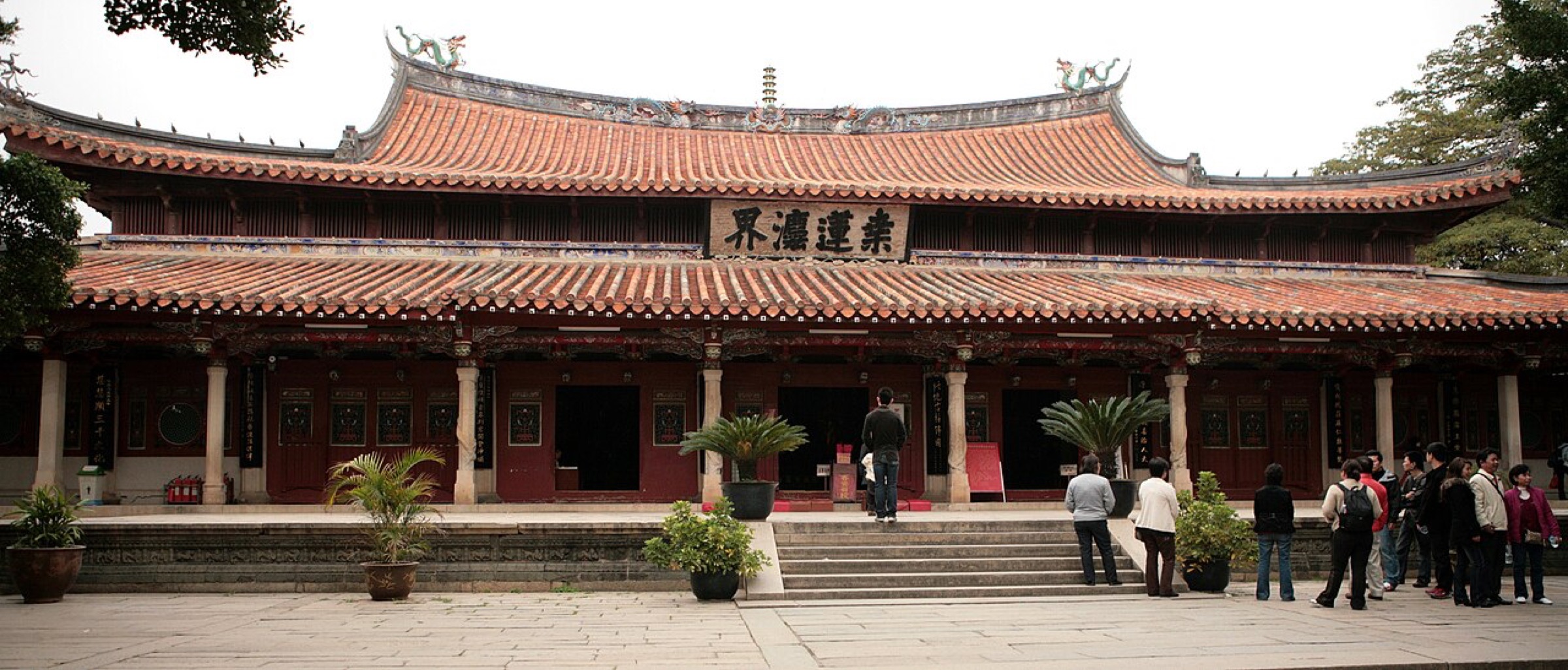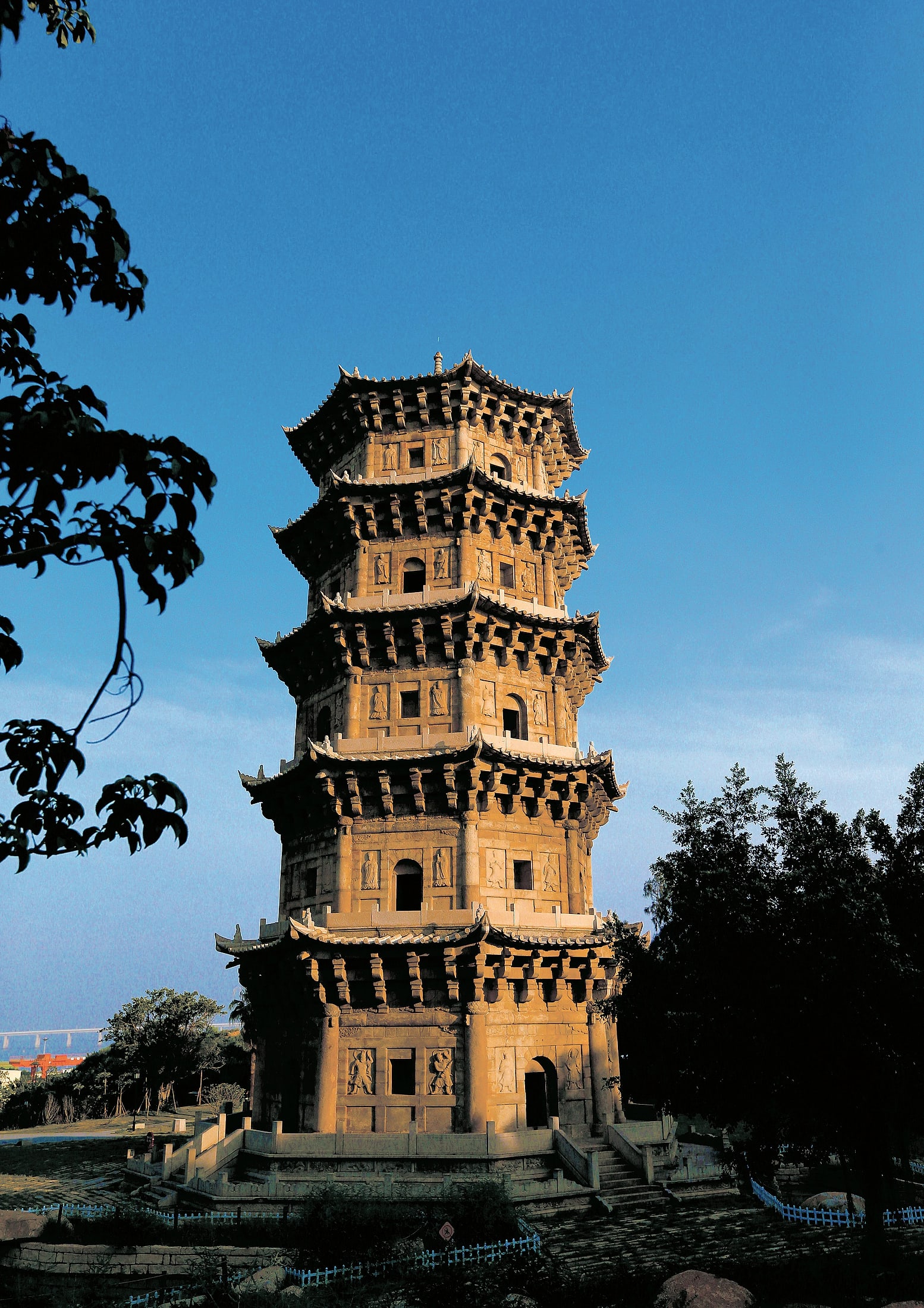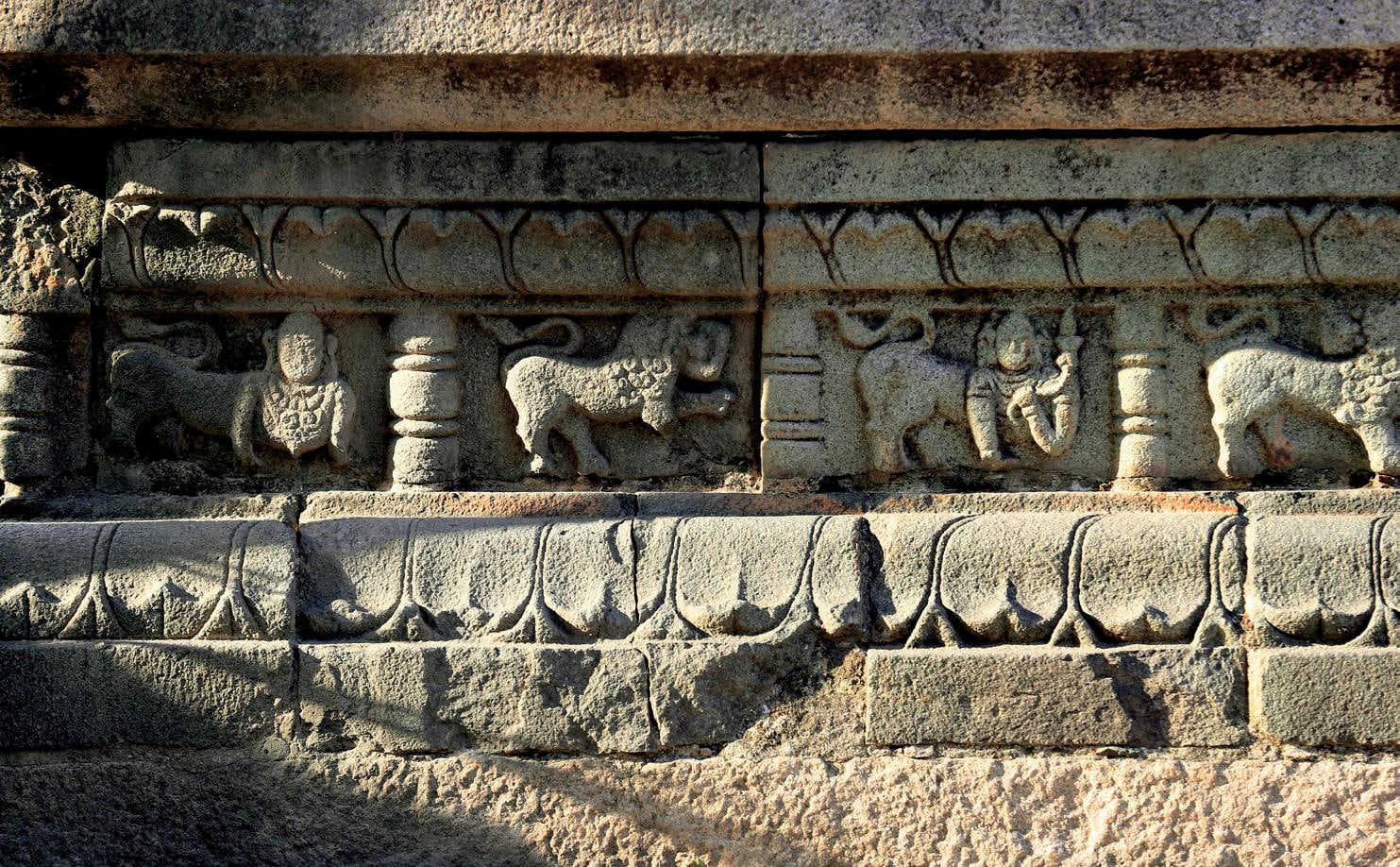
A Hindu stone carving reused at Kaiyuan Temple in Quanzhou

Modern scholarship · Hugh R. Clark

Quanzhou as a maritime frontier

Clark asks us to treat China's seaward edge as a place that shaped Chinese culture, not as a passive boundary beyond the empire's real history.

Voice
Hugh R. Clark
Date
Research published 1995
Geographic focus
Quanzhou maritime frontier
Read for
Cross-cultural urban change
A Hindu stone carving reused at Kaiyuan Temple in Quanzhou

Research takeaway

Quanzhou's maritime communities helped shape the city; they were not decorative evidence of contact.

Inside Quanzhou's plain-English synthesis of Clark's argument, based on the published article. It is not a quotation from the author.

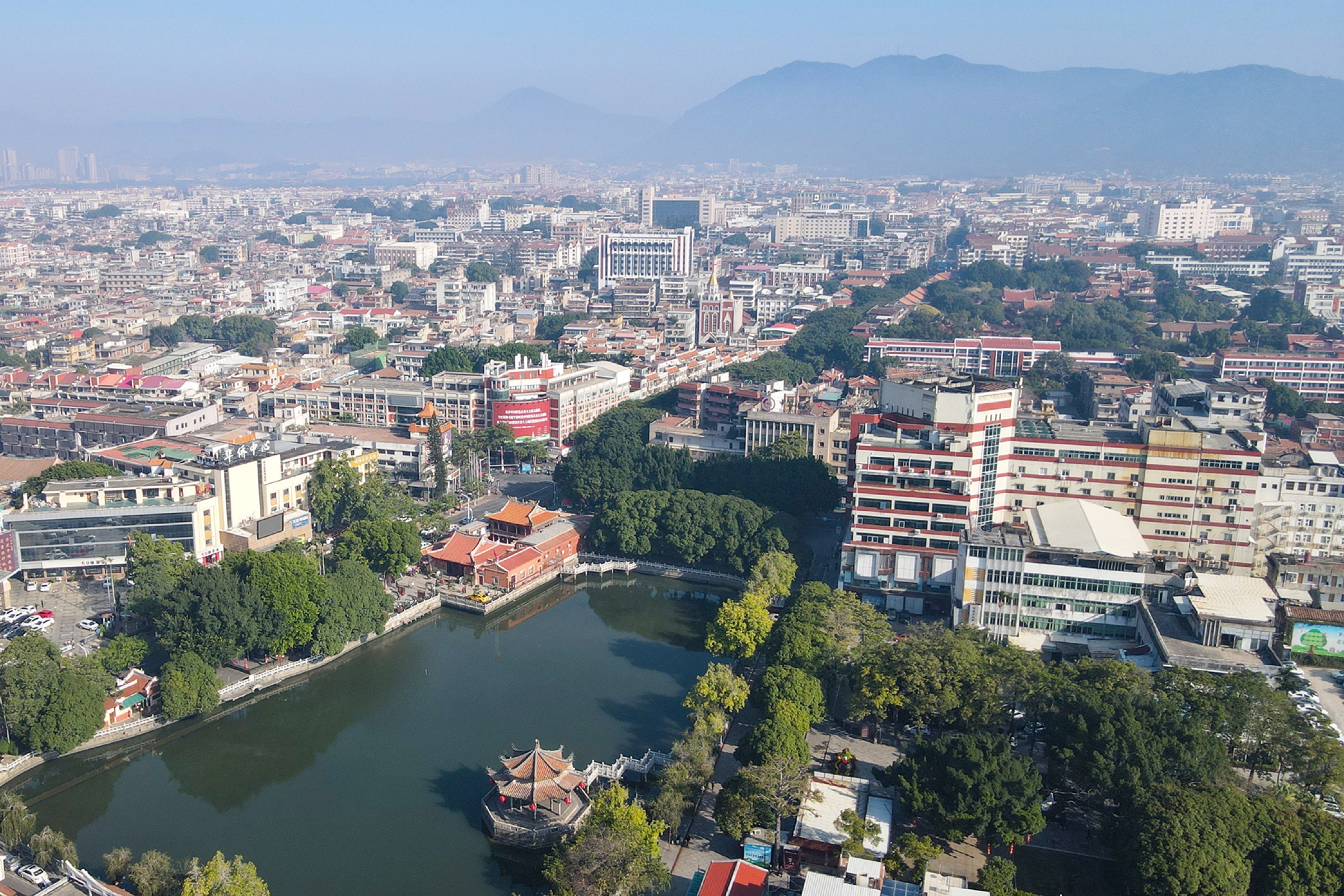
A broad view across the contemporary city of Quanzhou

Source discipline

What the study does and does not prove

01

It is an interpretive essay

The article connects textual and archaeological evidence into a frontier argument. That framework is persuasive, but it remains a scholarly interpretation rather than a direct voice from every community.

02

Labels contain diversity

Terms such as Muslim and Hindu cover people from different regions, languages and social positions. Visitors should resist imagining two uniform foreign communities.

03

Research has continued since 1995

Later excavations, heritage studies and work on inscriptions can refine individual details even when the article's larger question remains useful.

What this changes on a visit

Read the source in three real places

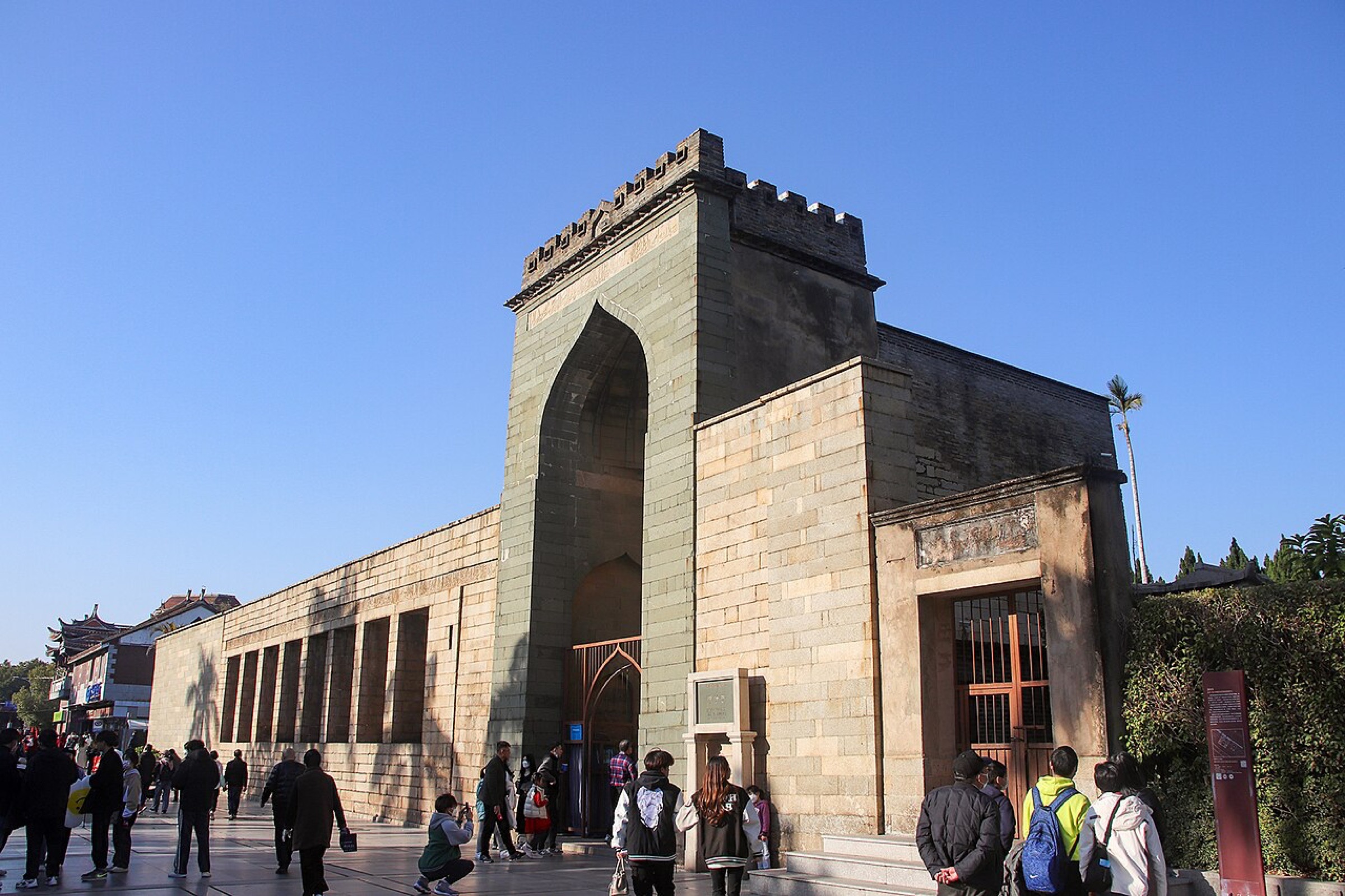
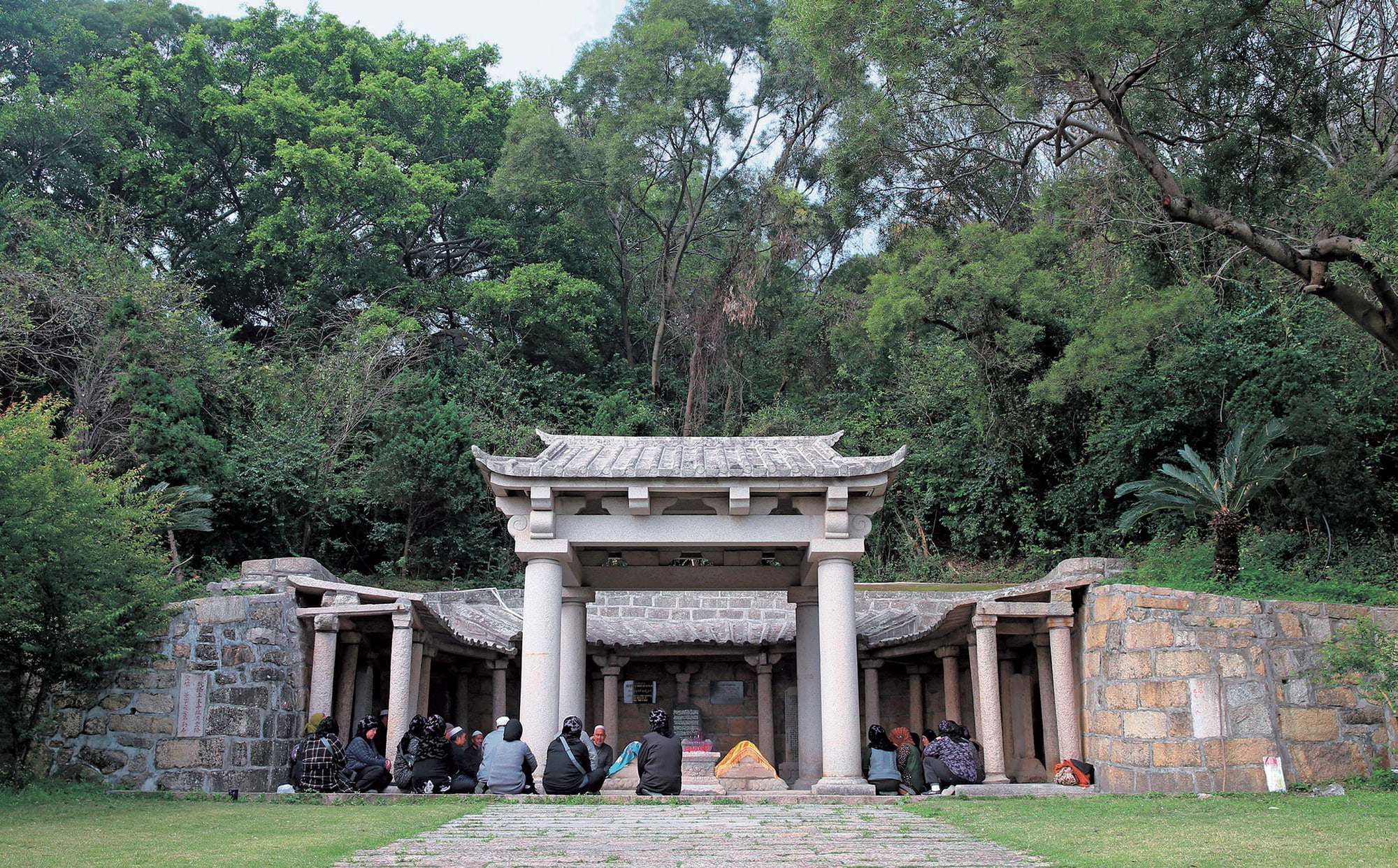
Clark's argument is easiest to test where imported forms were adapted, reused or embedded in the local city.

Continue the series

Compare another voice or method

The differences between accounts are part of the evidence. Move from a traveller's priorities to a historian's reconstruction, or compare two forms of outside observation.