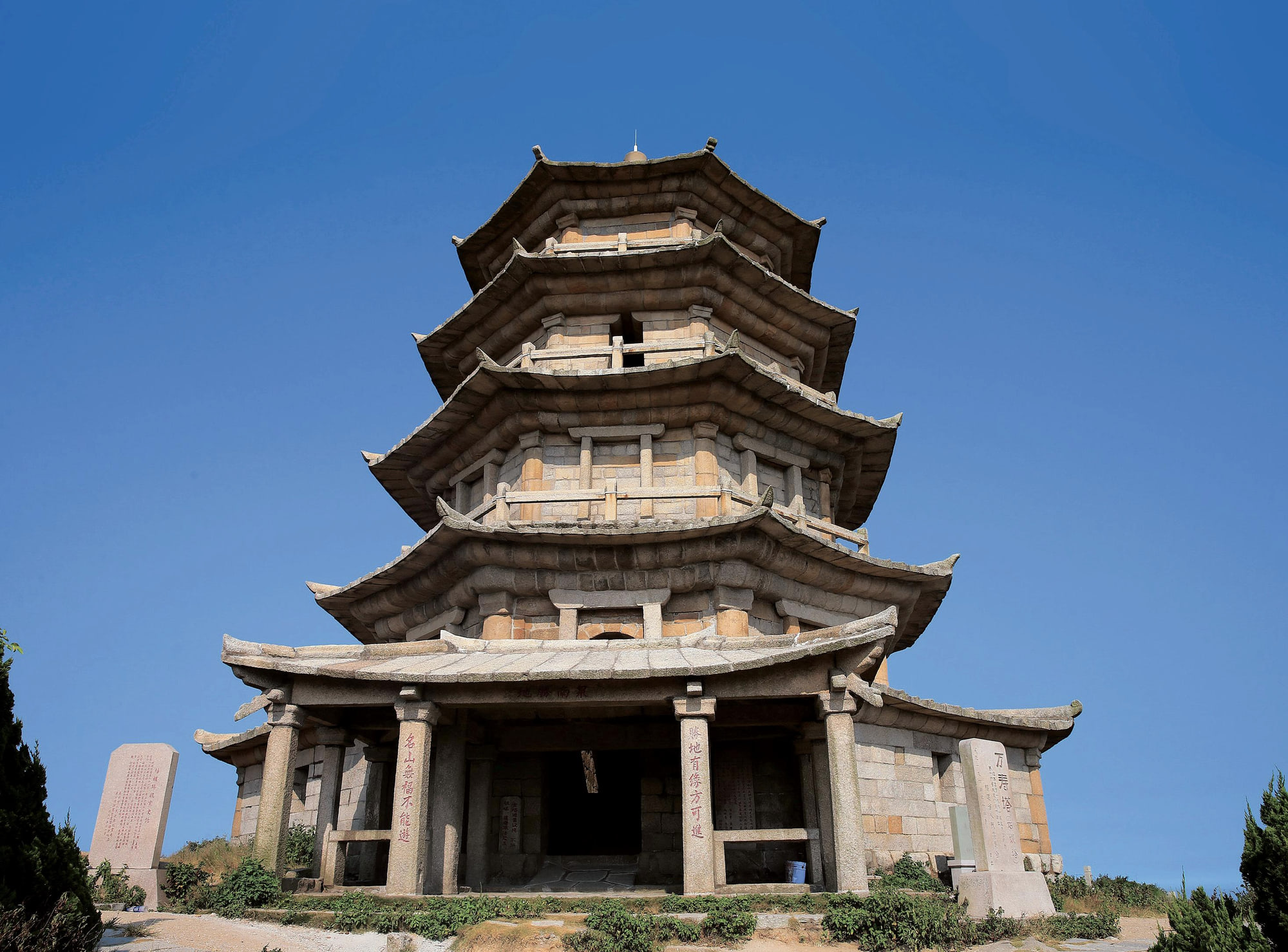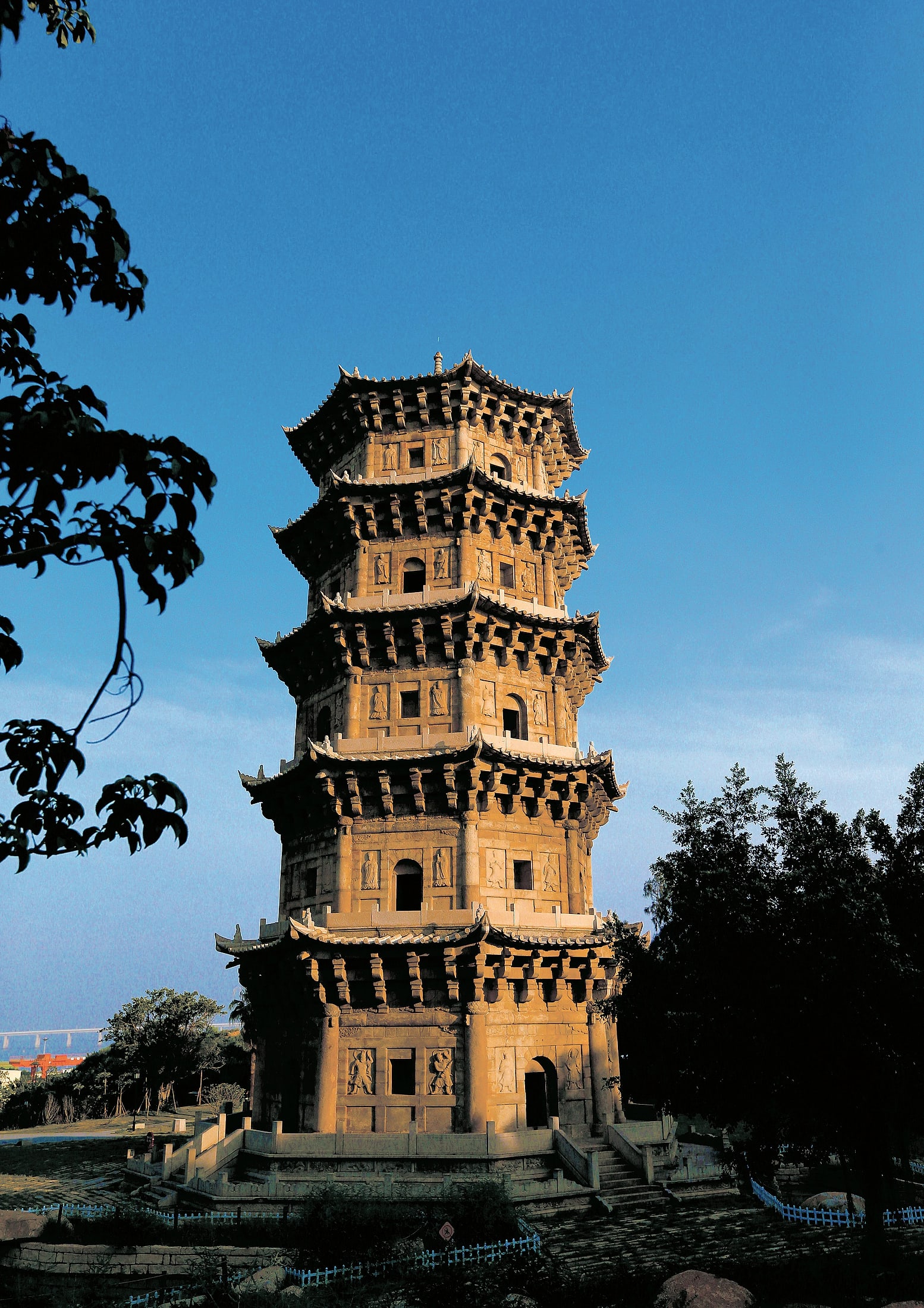
Liusheng Pagoda, a navigation landmark overlooking Quanzhou Bay

Modern scholarship · Roderich Ptak

Routes from Quanzhou to the Sulu Zone

Ptak turns the port outward, reconstructing more than one route from Fujian through the South China Sea to island Southeast Asia and the Indian Ocean.

Voice
Roderich Ptak
Date
Research published 1998
Geographic focus
Quanzhou and the Sulu Zone
Read for
Routes and regional geography
Liusheng Pagoda, a navigation landmark overlooking Quanzhou Bay

Research takeaway

Quanzhou's reach came from a branching network of regional routes, not one continuous line across the sea.

Inside Quanzhou's plain-English synthesis of Ptak's route analysis. It is not a quotation from the author.

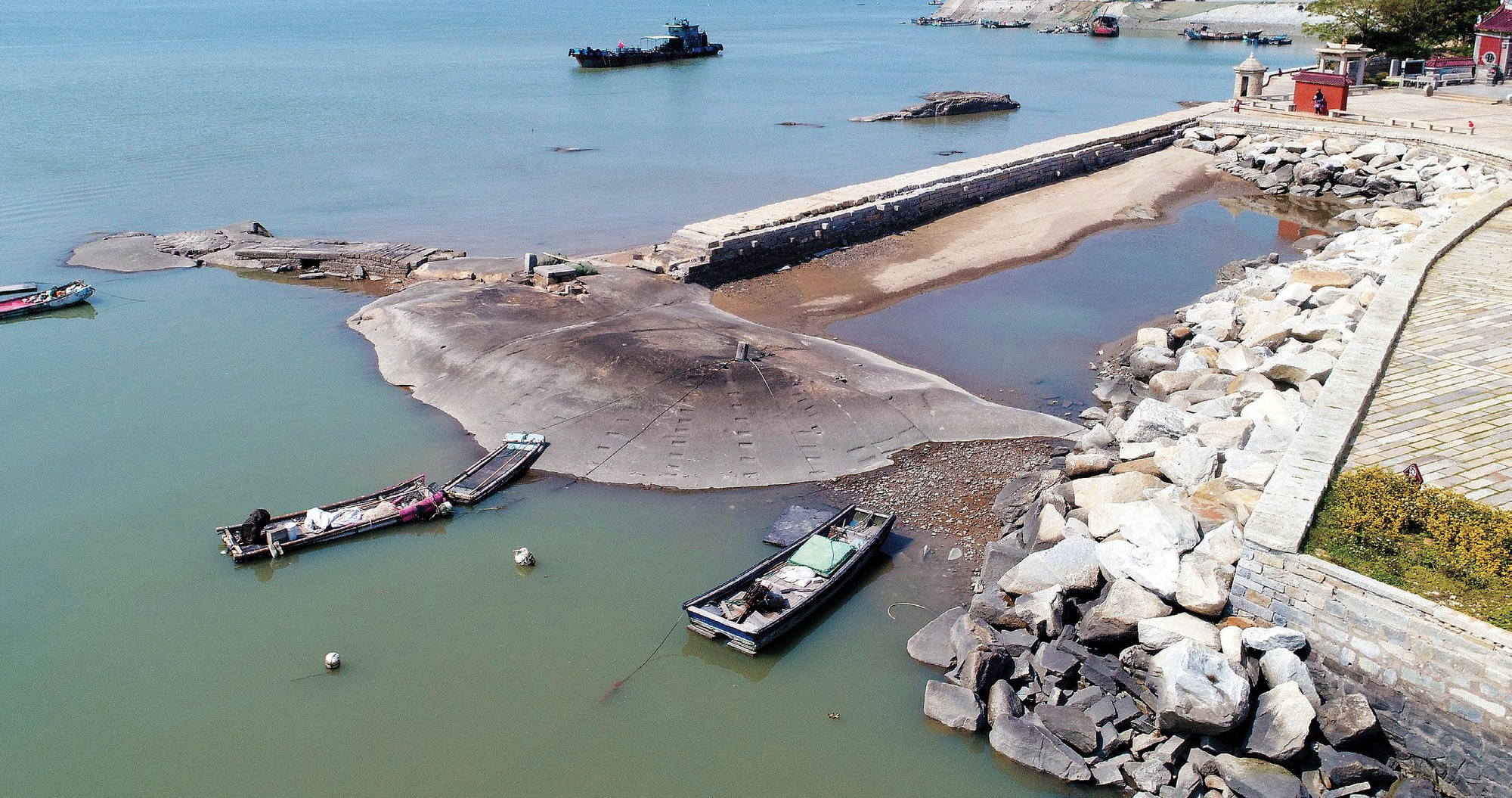
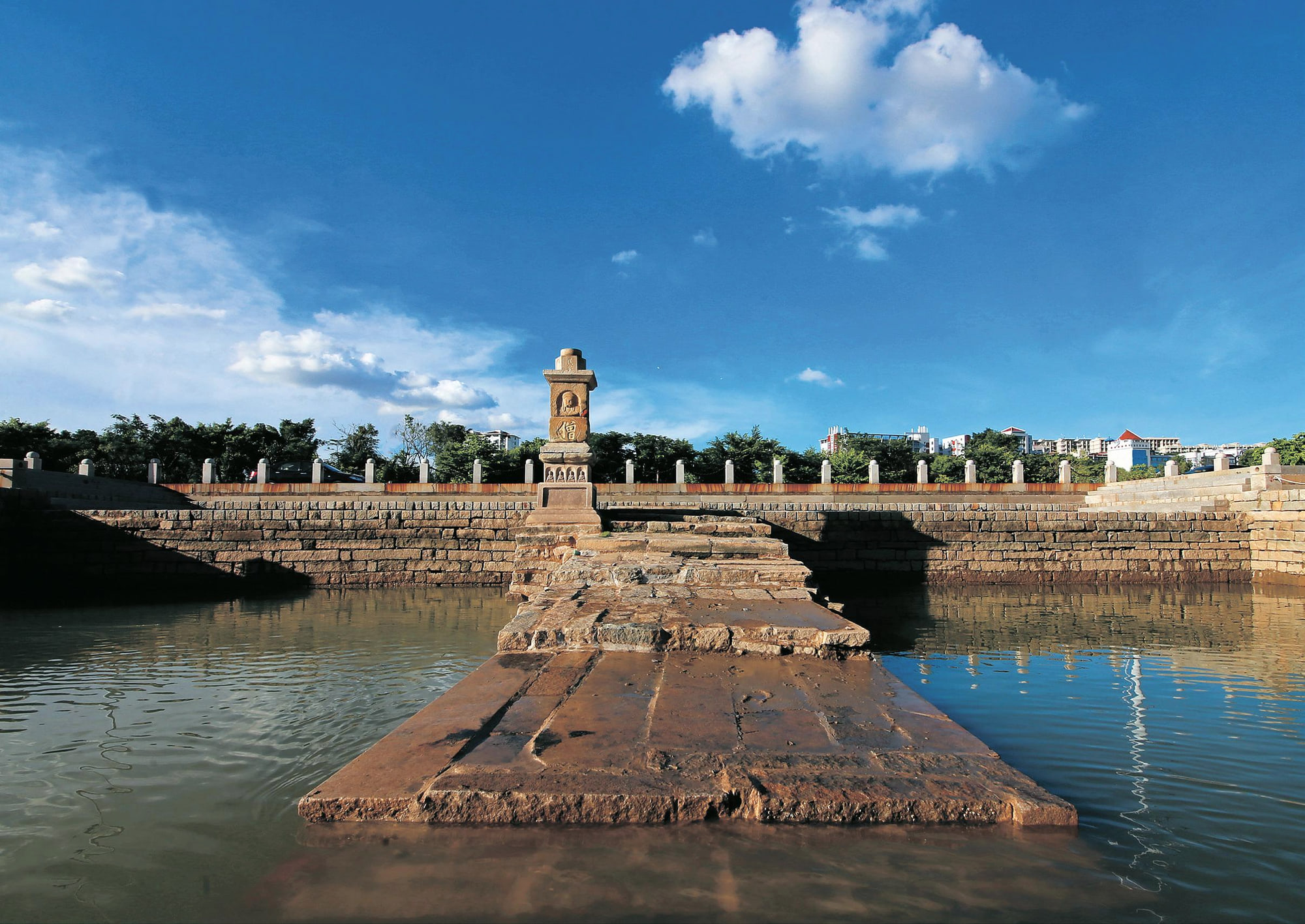
Historic stone dock structures on Quanzhou Bay

Source discipline

What the study does and does not prove

01

A route is a reconstruction

Historical texts rarely provide a modern itinerary with exact coordinates. Place-name identification and sequence require interpretation.

02

Sea lanes changed with conditions

Monsoons, political security, harbour access and commercial opportunity made routes seasonal and flexible rather than permanent lines.

03

The article is framed as questions

Ptak tests possibilities and relationships in incomplete evidence. The value lies in a better regional model, not a claim that every voyage followed one proven course.

What this changes on a visit

Read the source in three real places

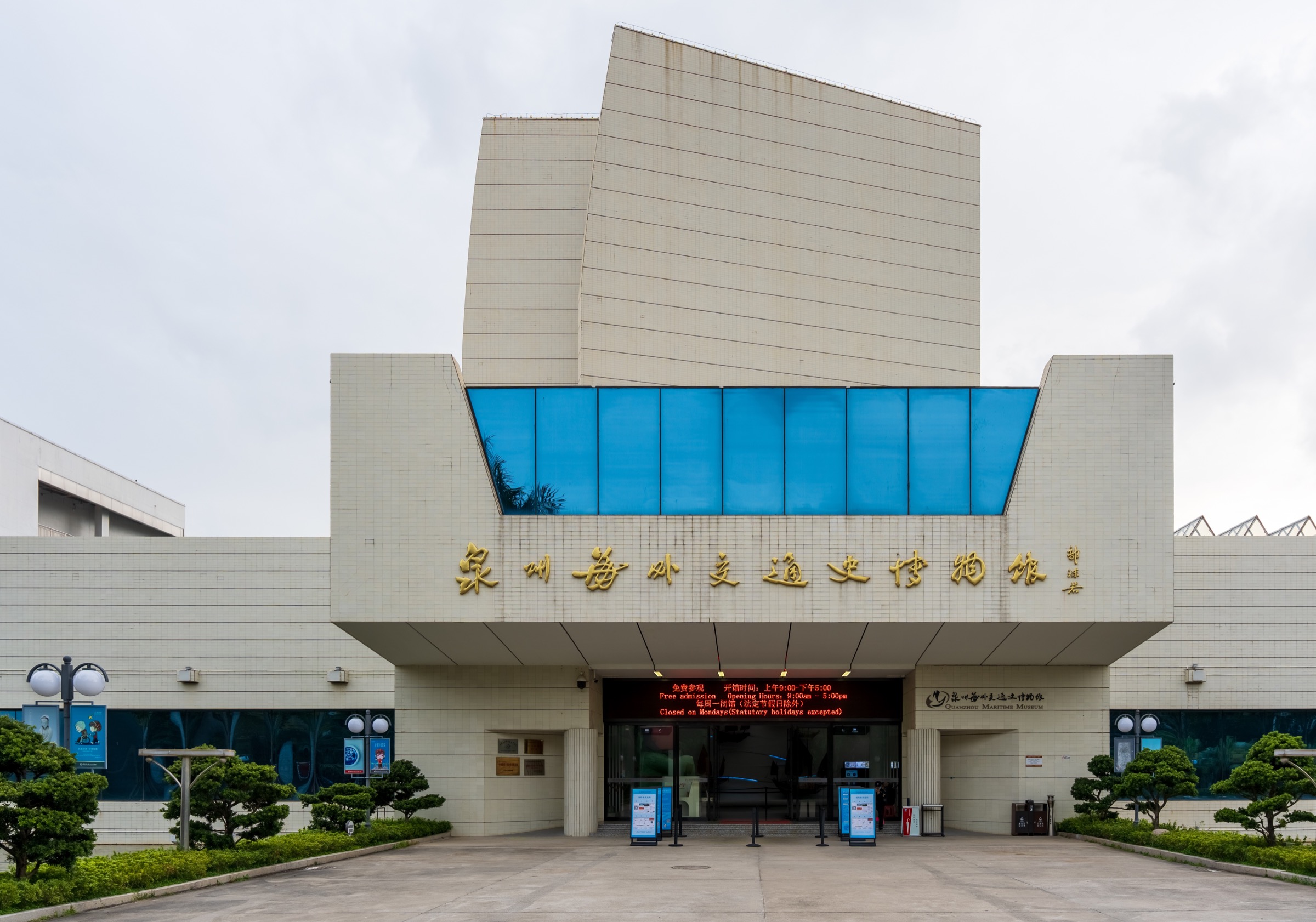
Stand at Quanzhou Bay's navigation and docking sites, then use the museum to extend the view toward Southeast Asia.

Continue the series

Compare another voice or method

The differences between accounts are part of the evidence. Move from a traveller's priorities to a historian's reconstruction, or compare two forms of outside observation.